
 Pin It
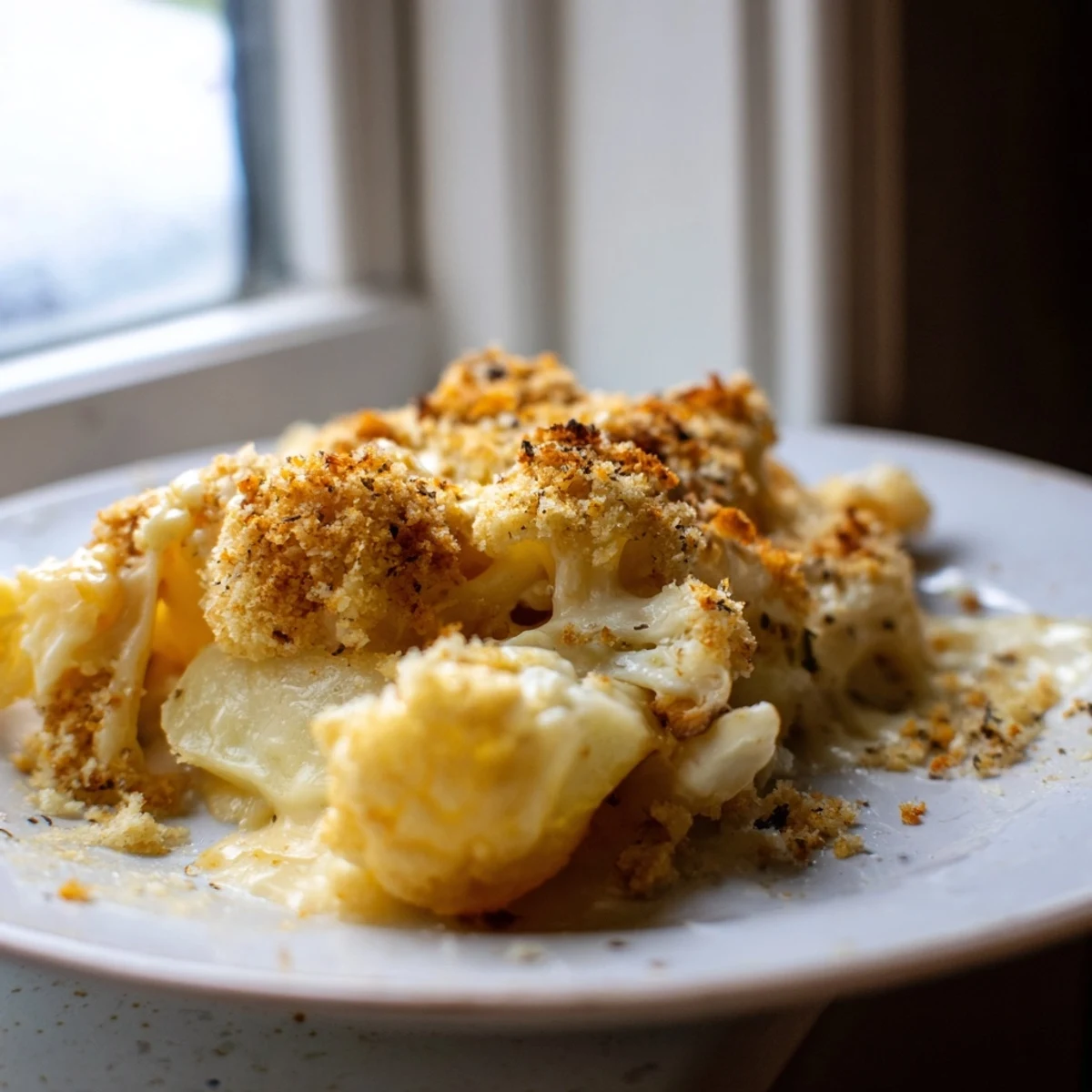
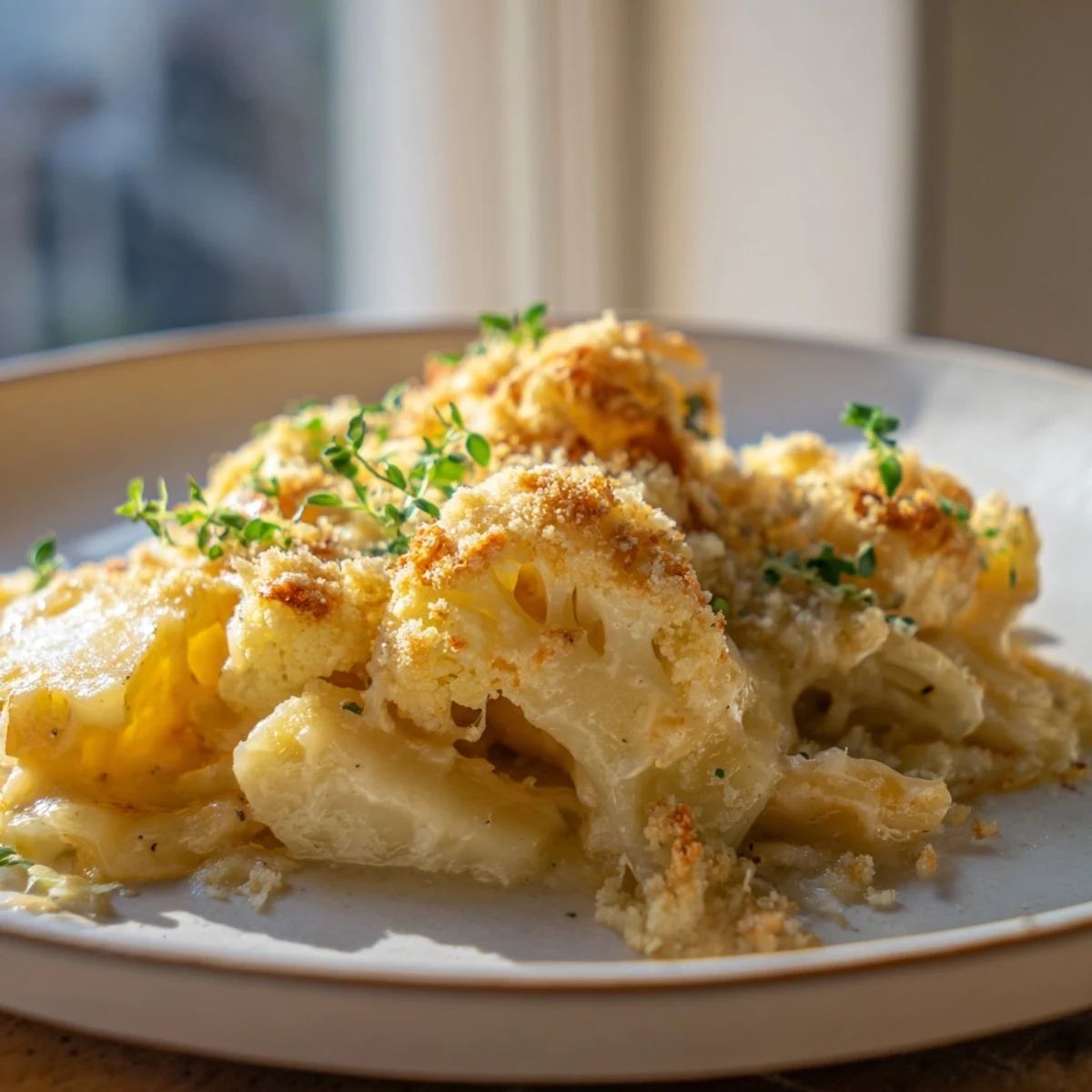
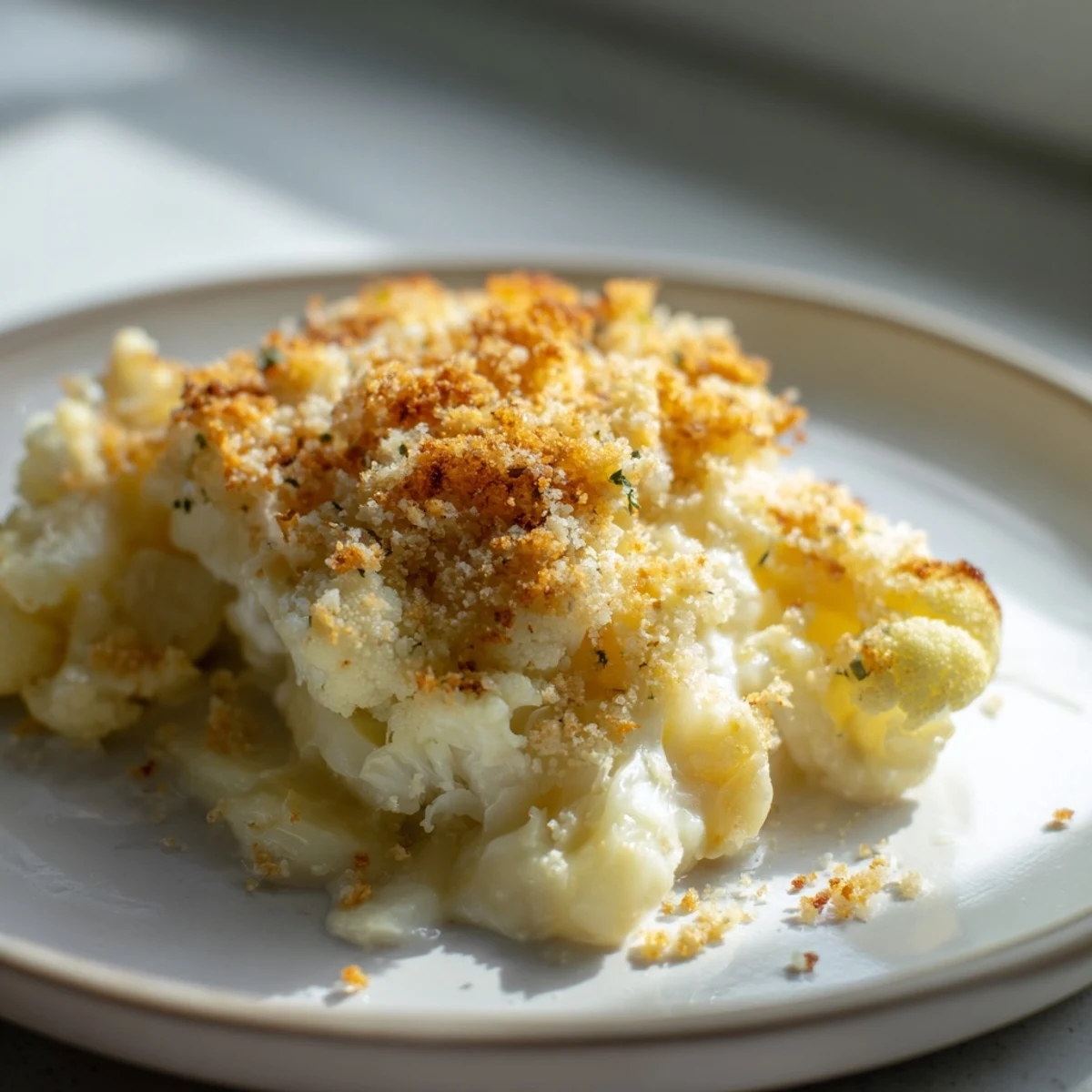
 This creamy gratin combines tender Yukon Gold potatoes and cauliflower florets baked beneath a luscious, cheesy sauce made with Gruyère and Parmesan. The dish is layered thoughtfully and finished with a golden, bubbling top, optionally crisped with buttery breadcrumbs. Aromatic hints of garlic, onion, and nutmeg enrich the sauce, creating a comforting, rich flavor. Perfect as a flavorful side or satisfying vegetarian main.
There's something about a bubbling gratin that stops a dinner table mid-conversation. I discovered this dish on a gray afternoon, watching steam rise from my neighbor's kitchen window while she explained why her version never broke—the secret was in how she whisked. That conversation led me to my own baking dish, and now I make it whenever I want to turn simple vegetables into something people come back for.
I served this to friends who arrived exhausted from moving boxes, and by the end of the meal, the dish was nearly gone and everyone's mood had lifted. Sometimes food doesn't need to be fancy—it just needs to be warm and generous, the kind of thing that makes people grateful they showed up.
Ingredients
- Yukon Gold potatoes, 500 g (1 lb), peeled and thinly sliced: These waxy potatoes hold their shape better than russets and have a subtle sweetness that plays beautifully with the cheese.
- Cauliflower florets, 500 g (1 lb): Cut them roughly the same size so they cook evenly—irregular pieces will leave you with mushy and crunchy in the same bite.
- Onion, 1 small, finely chopped: The base of your sauce; chopping it fine helps it dissolve into the cream.
- Garlic, 2 cloves, minced: Don't skip this—it adds depth that makes people wonder what your secret is.
- Whole milk, 250 ml (1 cup): The backbone of your sauce; cold milk will shock your hot roux, so warm it slightly if you have time.
- Heavy cream, 250 ml (1 cup): This is where the magic lives; it prevents the sauce from breaking and creates that luxurious mouthfeel.
- Gruyère cheese, 150 g (1½ cups), grated: The star ingredient—sharp enough to stand out, nutty enough to feel sophisticated, and it melts like a dream.
- Parmesan cheese, 75 g (¾ cup), grated: Use freshly grated if you can; it adds crystalline texture and salty bite.
- Unsalted butter, 30 g (2 tbsp): For the roux and the baking dish; it's your flavor canvas.
- All-purpose flour, 2 tbsp: Creates the roux that thickens your sauce—whisk it in smoothly to avoid lumps.
- Ground nutmeg, ½ tsp: The secret weapon; it whispers rather than shouts, making the cheese taste richer.
- Salt and black pepper, to taste: Season as you go, tasting the sauce before it hits the oven.
- Breadcrumbs, 2 tbsp (optional) and melted butter, 1 tbsp: For the crunchy topping that catches the heat and turns golden—a textural surprise that elevates the whole dish.
Instructions
- Set your oven and prepare:
- Heat to 190°C (375°F) and generously butter your 23x33 cm baking dish so nothing sticks. A good coating here saves frustration later.
- Blanch the vegetables:
- Boil salted water and add potatoes and cauliflower for exactly 5 minutes—they should be just tender, still with a slight resistance when you bite. Overcooking here means mush in the final dish.
- Build your base sauce:
- Melt butter, add onion and garlic, cook until fragrant and soft. This takes about 3 minutes; you're coaxing out sweetness, not browning.
- Make the roux:
- Stir in flour and cook for 1 minute, whisking constantly. You'll smell a slight toasted aroma—that's exactly when you move to the next step.
- Create the cream sauce:
- Whisk in milk and cream slowly, creating a smooth stream while your heat stays medium. This gradual approach prevents lumps that can ruin everything. Simmer and whisk for 4–5 minutes until the sauce coats the back of a spoon.
- Season and melt the cheese:
- Remove from heat, add Gruyère, 50 g Parmesan, nutmeg, salt, and pepper. Stir until the cheese melts into a silky sauce that coats everything it touches.
- Layer like you mean it:
- Spread half the potatoes and cauliflower in your dish, pour half the sauce over, then repeat. This creates pockets of cream throughout rather than a single dense layer.
- Top and finish:
- Scatter remaining Parmesan across the top. If using breadcrumbs, toss them with melted butter and sprinkle them over for a crispy finish that catches the heat beautifully.
- Bake until golden:
- 40–45 minutes at 190°C until the top is golden, the edges are bubbling, and the whole thing smells like comfort. Let it rest for 10 minutes—this sets the structure so it slices cleanly.
 Pin It
 One winter, my partner came home to find the kitchen steamed up and the gratin golden on the counter, and they said it smelled like the restaurant we visited years ago. That's when I realized this dish carries memory in its flavor—it becomes whatever moment someone needs it to be.
The Gratin Magic: Why This Works
The beauty of a gratin lies in its layers—vegetables, sauce, and heat create zones of texture that make every forkful different. The bottom gets creamy and soft where it touches the dish, the middle becomes tender and cheese-soaked, and the top stays slightly crisp if you're careful with your timing. Understanding this layering is what separates a forgettable casserole from something people request by name. The blanching step is key here; it ensures your potatoes won't be hard while your cauliflower turns to mush.
Variations and Personal Swaps
I've made this with sharp cheddar when Gruyère wasn't available, and it's delicious in a more aggressive way—less elegant, more bold. Thyme stirred into the sauce adds an earthy note that makes it taste like autumn, while fresh chives at the end brighten everything. A friend uses half-and-half instead of cream for a lighter version that still satisfies, proving that comfort food doesn't have to be heavy to feel meaningful. Once I added roasted garlic instead of raw and it became something entirely different—sweeter, more mellow, perfect if you're cooking for people who find sharp garlic harsh.
Serving and Storage Wisdom
This dish is best served hot, straight from the oven, when the cheese is still glossy and the breadcrumb topping is at its crispest. Leftovers reheat beautifully in a low oven—just cover with foil so the top doesn't burn while the inside warms through. It pairs with a simple green salad and a glass of white wine, or stands alone as a vegetarian main if you're feeding people who need something substantial.
- Cool the gratin for 10 minutes before serving so the layers set and it cuts cleanly instead of slouching on the plate.
- Store leftovers covered in the fridge for up to 3 days; reheat at 170°C until warmed through, about 15–20 minutes depending on depth.
- This freezes surprisingly well if you haven't baked it yet—wrap the assembled dish and thaw overnight before baking.
 Pin It
 This gratin has become my answer to the question of what to bring when someone needs feeding. It says I was thinking of you without saying a word.
Recipe FAQs
- → What type of potatoes work best in this gratin?
-
Yukon Gold potatoes are ideal due to their creamy texture and ability to hold shape when baked.
- → Can I substitute the cheeses used in the sauce?
-
Gruyère can be replaced with sharp cheddar or Emmental for a different flavor profile while preserving creaminess.
- → Is it necessary to pre-cook the vegetables before baking?
-
Yes, boiling the sliced potatoes and cauliflower briefly ensures they become tender and cook evenly in the gratin.
- → What role does nutmeg play in this dish?
-
Nutmeg adds a subtle warmth and depth to the creamy cheese sauce, enhancing overall flavor complexity.
- → How can I achieve a crunchy topping?
-
Sprinkling a mix of breadcrumbs and melted butter over the final Parmesan layer before baking creates a golden, crispy crust.
- → Can this gratin be made lighter?
-
Using half-and-half instead of heavy cream reduces richness while maintaining creaminess in the sauce.