
 Pin It
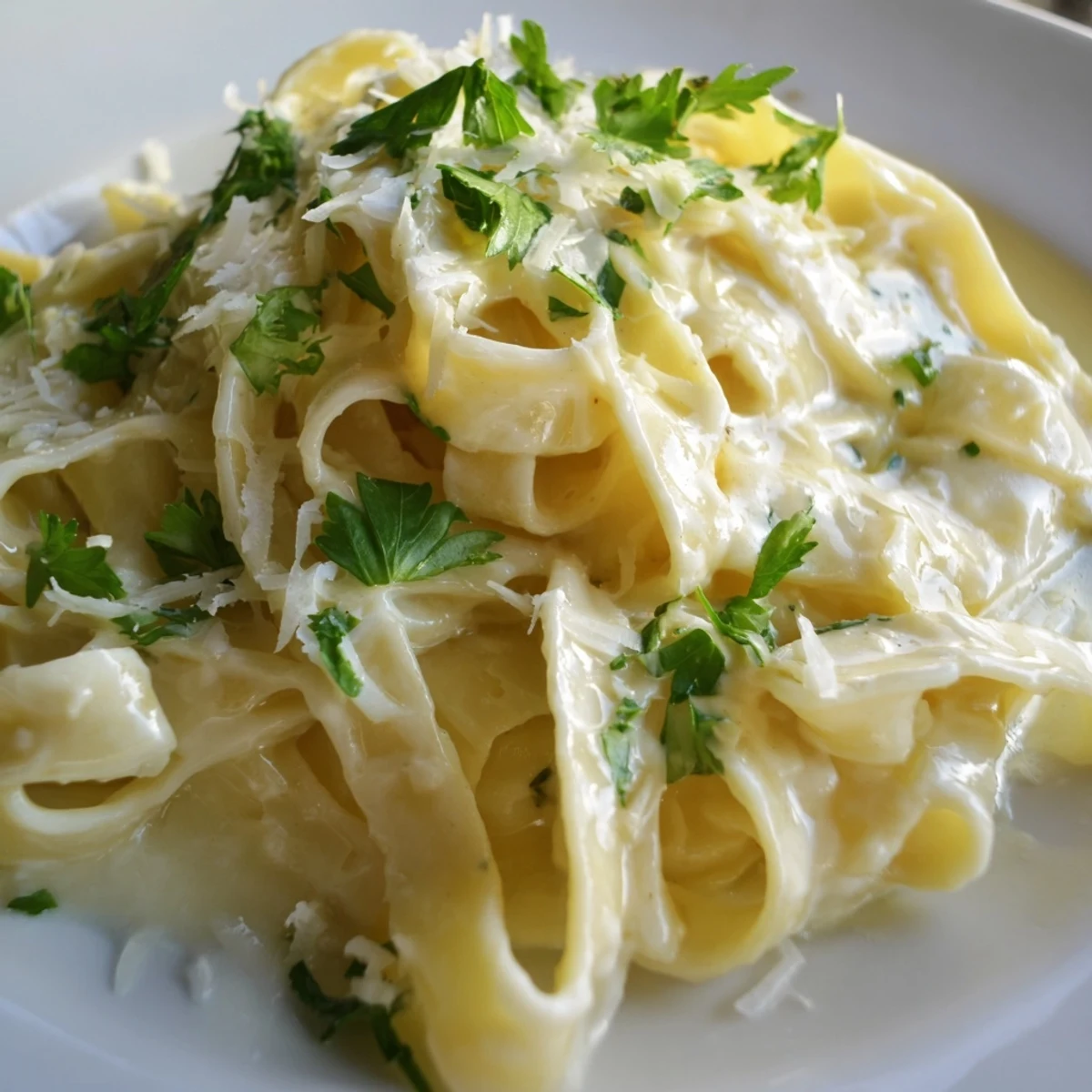
 This classic Italian dish transforms simple ingredients into pure comfort. Fresh fettuccine gets coated in a velvety sauce made from butter, heavy cream, and aged Parmesan. The key lies in gentle heat—simmering cream creates the perfect base for cheese to melt smoothly without separating.
Finish with freshly ground pepper and a pinch of nutmeg for subtle warmth. The sauce clings beautifully to each ribbon of pasta, creating that signature rich texture. Reserve pasta water to adjust consistency, ensuring every strand is perfectly coated.
The first time I attempted real Alfredo, I made the mistake everyone makes—I used a jar of pre-grated Parmesan and wondered why my sauce turned into a grainy, separated mess. My husband still laughs about that dinner, mostly because I tried to salvage it by adding more cheese, which only made things worse. It took an Italian friend patiently showing me the technique over a glass of wine to understand that Alfredo is about patience and quality ingredients, not complicated science.
Last winter, during a particularly brutal week of snowstorms, I made this for my family three times in seven days. My kids usually complain about cream sauces, but they were literally scraping their plates clean and asking if there was seconds. Something about how the butter and Parmesan emulsify together creates this velvety richness that feels like a warm hug on a plate.
Ingredients
- Fettuccine (400 g / 14 oz): The flat ribbons hold onto sauce beautifully, and fresh pasta works if you are feeling ambitious
- Unsalted butter (120 g / 1/2 cup): Control the salt yourself—this is the foundation of the sauce emulsion
- Heavy cream (250 ml / 1 cup): Do not substitute with milk or half-and-half, you need that fat content
- Freshly grated Parmesan (120 g / 1 1/4 cups): Must be grated from a block—pre-grated has anti-caking agents that ruin everything
- Fine sea salt (1/2 tsp plus more): Taste and adjust as you go, especially since Parmesan is naturally salty
- Freshly ground black pepper (1/4 tsp): White pepper works if you want invisible specks
- Grated nutmeg (pinch): The secret ingredient restaurants use—just a trace adds depth nobody can quite place
- Fresh parsley (2 tbsp chopped): Adds brightness and color to cut through all that richness
- Extra Parmesan: For serving, obviously
Instructions
- Get your pasta water ready:
- Bring a large pot of generously salted water to boil—think sea water salty, which is the only chance you get to season the actual pasta
- Cook the fettuccine:
- Cook according to package directions until al dente, then grab that 1/2 cup of pasta water before draining—the starch in it is liquid gold
- Start the sauce base:
- Melt butter in a large skillet over medium-low heat, pour in the heavy cream, and let it come to a gentle bubble while you stir constantly
- Build the emulsion:
- Reduce heat to low and gradually whisk in the Parmesan—take your time here, let each handful melt completely before adding more
- Season and refine:
- Add your salt, pepper, and that pinch of nutmeg, then taste—it should feel indulgent without being overpowering
- Bring it all together:
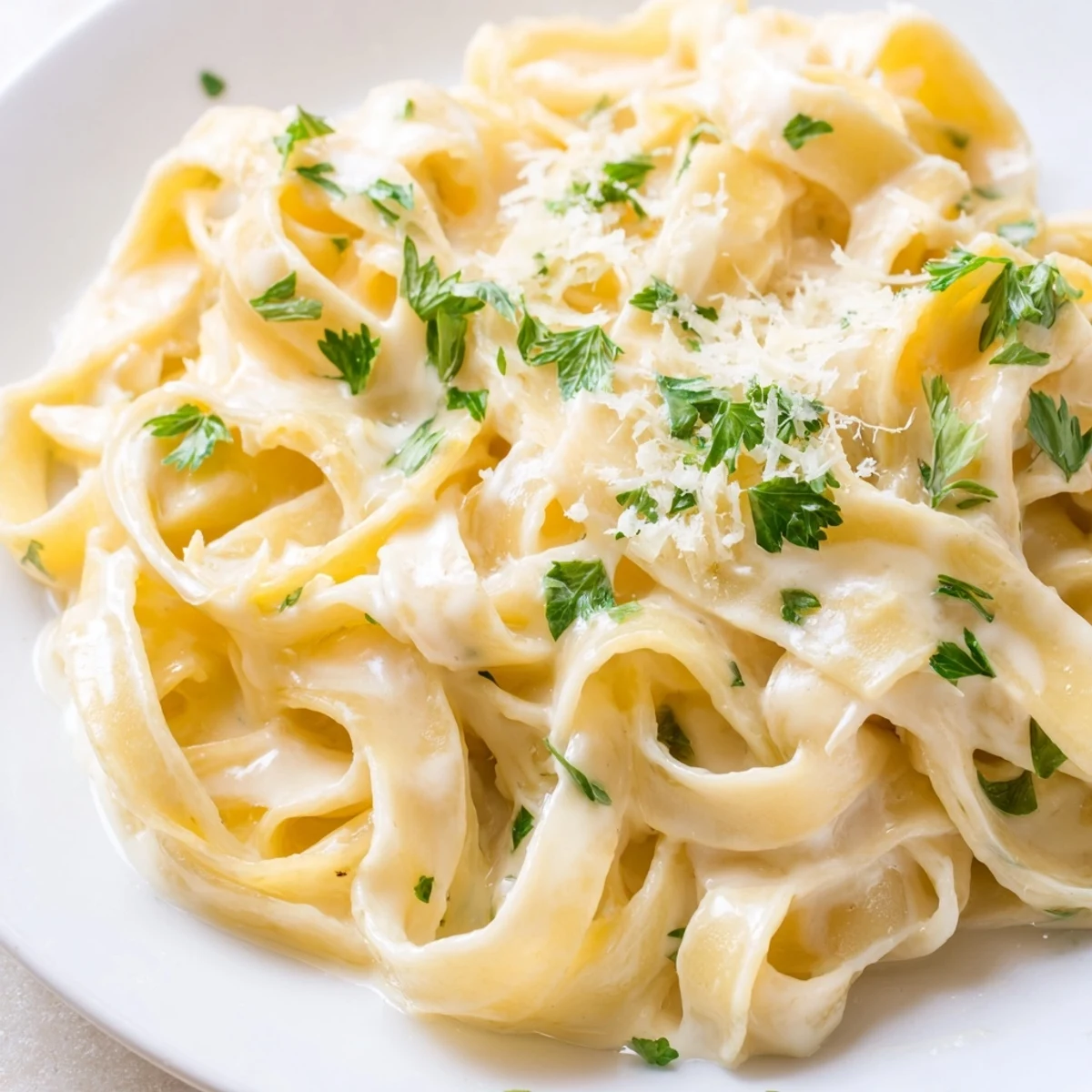
- Toss the drained pasta into the sauce, adding pasta water one tablespoon at a time until it coats every strand in glossy perfection
 Pin It
 This recipe became my go-to for dinner parties after a guest asked if I could bottle the sauce. Now I keep copies of the recipe printed out, because someone always asks for it before they even finish their first serving.
The Pasta Water Secret
That starchy cooking water is not optional—it is what makes restaurant pasta glossy and home pasta sometimes dry. The starch helps the sauce cling and actually thickens it slightly without any flour or cornstarch.
Temperature Matters
Keep the heat low once the cream goes in, and never let the sauce boil aggressively. High heat breaks the emulsion and gives you a greasy, separated mess instead of that silky consistency you are after.
Make It Your Own
Sautéed mushrooms or spinach can turn this into a more substantial meal, and grilled chicken breast slices work beautifully. For something different, try adding roasted garlic to the butter as it melts—the mellow sweetness pairs perfectly with the sharp Parmesan.
- Cracked black pepper on top adds nice texture contrast
- A splash of pasta water revives leftovers the next day
- White wine pairs better than red here
 Pin It
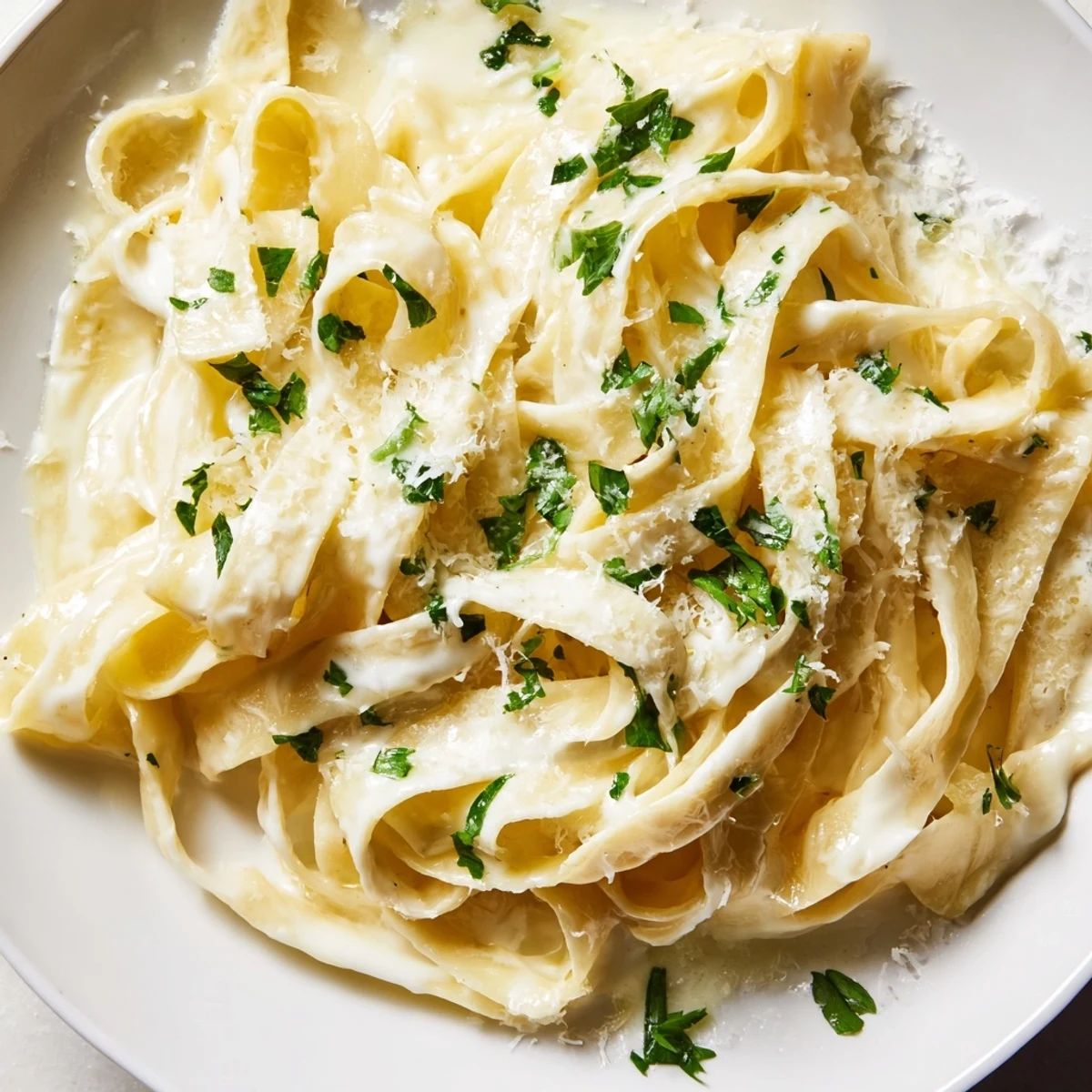
 Serve this while it is steaming hot, with extra Parmesan at the table and maybe a simple green salad on the side. Sometimes the most elegant things are also the simplest.
Recipe FAQs
- → Why use freshly grated Parmesan?
-
Freshly grated Parmesan melts smoothly and creates a velvety texture. Pre-grated cheese contains anti-caking agents that prevent proper melting, resulting in grainy sauce.
- → Can I make this ahead?
-
The sauce is best made fresh, but you can prepare ingredients ahead. Reheat gently with splash of cream, whisking until smooth. Avoid overheating or sauce may separate.
- → What pasta works best?
-
Fettuccine's wide surface area holds sauce beautifully. Tagliatelle or pappardelle are excellent substitutes. Avoid thin pasta like angel hair—sauce slides right off.
- → Why add pasta water?
-
Starchy pasta water emulsifies the sauce, helping cheese and cream bind together. Add tablespoon by tablespoon until reaching silky consistency that coats pasta properly.
- → Is nutmeg essential?
-
Traditional but optional. Nutmeg adds subtle warmth that cuts through richness. Without it, dish remains delicious—just slightly less complex in flavor profile.
- → Can I lighten this dish?
-
Substitute half-and-half for heavy cream, though sauce will be less rich. Increase Parmesan slightly to maintain flavor. For lighter version, try whole milk with cornstarch slurry.