
 Pin It
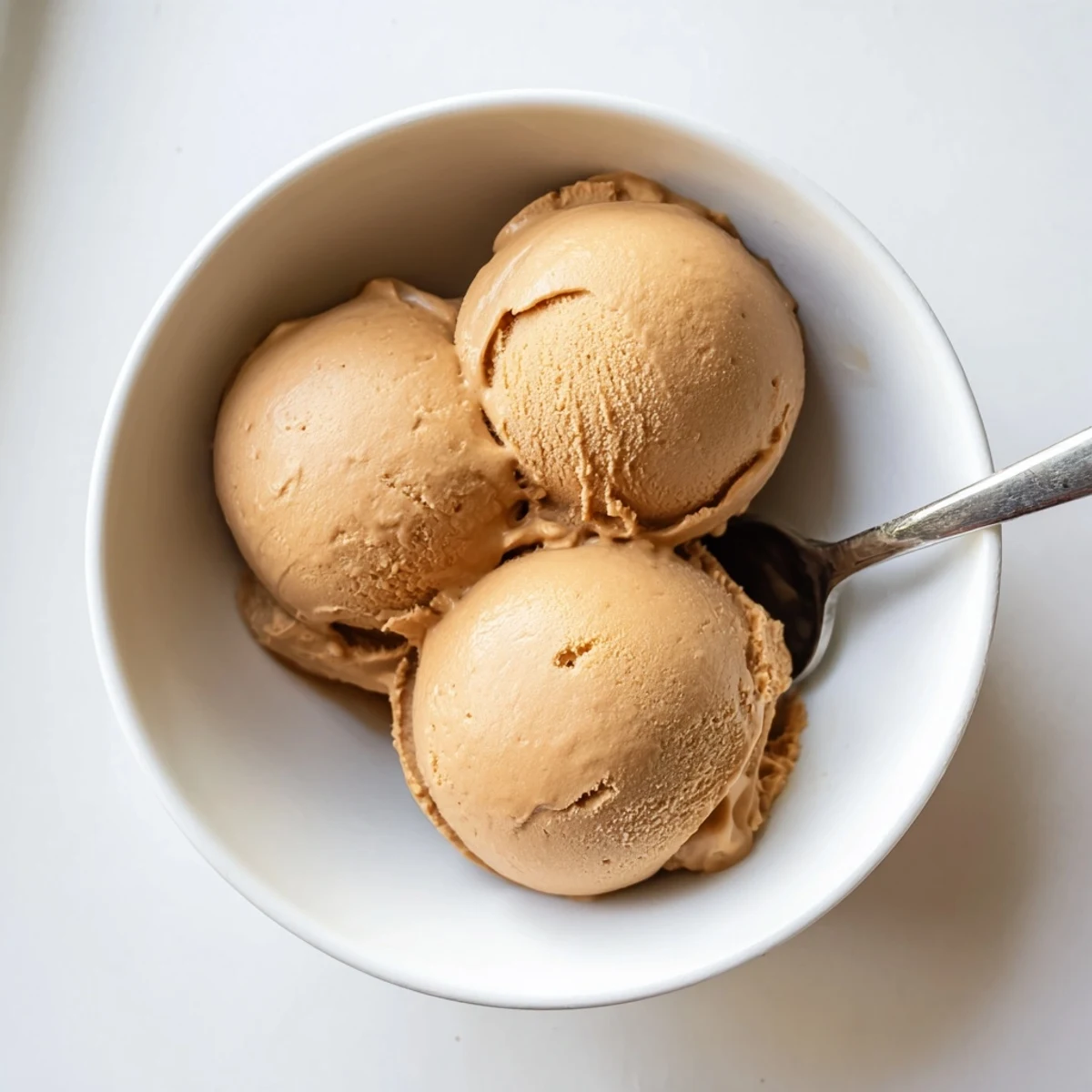
 This elegant frozen dessert features the distinctive roasted, nutty profile of Japanese hojicha tea swirled into a silky French custard base. The process involves steeping quality tea leaves in warm dairy, creating a deeply infused cream that forms the foundation of this treat. The result is a sophisticated dessert with earthy, caramel-like notes that set it apart from traditional green tea varieties.
The technique requires tempering egg yolks into the warm tea-infused milk, then gently cooking until thickened. After thorough chilling, the mixture churns into a remarkably smooth final product with complex flavor layers. The roasted character of hojicha pairs beautifully with the rich dairy base, creating balanced sweetness without being overpowering.
The smell of hojicha always pulls me back to this tiny cafe in Kyoto where I first tasted it—roasted, earthy, completely unlike any green tea I’d known. I came home obsessed with figuring out how to capture that cozy warmth in ice cream form, and after several batches that either turned out too icy or barely tasted like tea at all, I finally found the sweet spot. Now it’s become the dessert I make when I want something that feels elegant but still comforting.
Last summer I served this at a backyard dinner, and my friend who swears she doesnt like green tea went back for thirds. Theres something about how the cold, creamy base carries those toasted notes that just works. Watching guests take that first curious bite and then suddenly get it—that moment is everything.
Ingredients
- 2 cups whole milk and 1 cup heavy cream: The cream ratio here matters—too little and youll end up with icy crystals instead of that velvety restaurant texture
- 3 tablespoons hojicha loose leaf tea: Loose leaves give you way more flavor extraction than tea bags, and pressing them through the sieve is where all that roasted goodness really comes out
- 4 large egg yolks and 2/3 cup granulated sugar: Room temperature yolks incorporate so much better into the warm dairy—something I learned after scrambling my first batch
- Pinch of salt: Just enough to make all the flavors pop without tasting salty
Instructions
- Steep the tea:
- Combine milk and cream in a medium saucepan and heat over medium until its steaming but never boiling—bubbling changes how the tea infuses. Stir in the hojicha, remove from heat, and let it steep for a full 10 minutes, then strain through a fine sieve, really pressing on those leaves to extract every bit of flavor.
- Make the custard base:
- Whisk yolks, sugar, and salt until theyre pale and creamy, then slowly pour in that warm hojicha milk while whisking constantly—this is where patience prevents scrambled eggs. Return everything to the saucepan and cook over low heat, stirring continuously with a wooden spoon until it thickens enough to coat the back of the spoon, about 6 to 8 minutes.
- Chill and churn:
- Pour the custard through a fine sieve into a clean bowl, let it cool to room temperature, then refrigerate for at least 3 hours. Churn in your ice cream maker according to the manufacturers directions, then transfer to a container and freeze for at least 1 hour before serving.
 Pin It
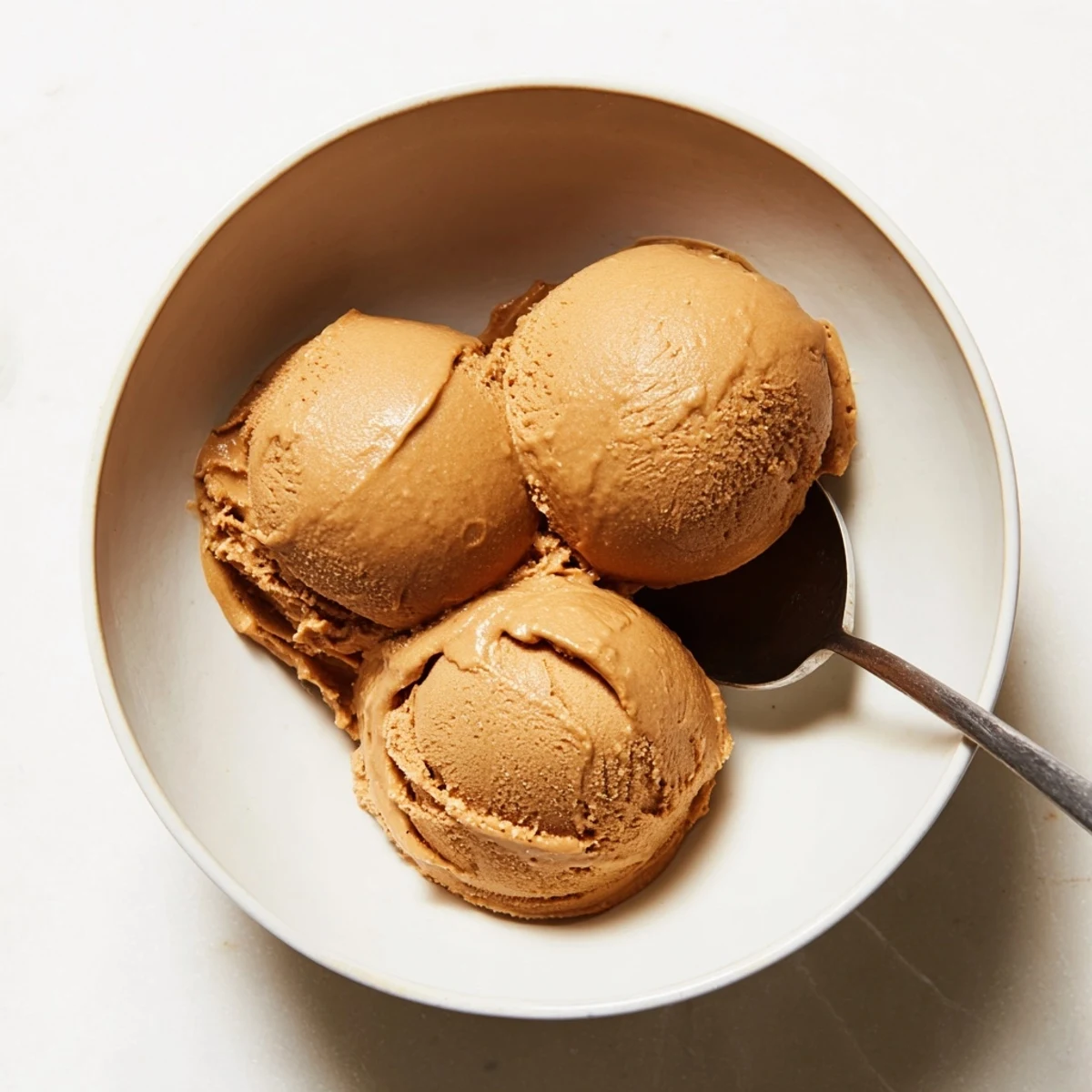
 This recipe became a staple in our house during that first winter I mastered it. Something about scooping that earthy, creamy ice cream while snow fell outside felt right.
Getting the Most Flavor From Your Tea
Ive found that pressing the steeped tea leaves against the sieve is the difference between a hint of hojicha and that full, roasted flavor youre after. Dont rush this step—the extra pressure releases oils and compounds that make the final ice cream taste professionally made.
Serving Ideas
Toasted sesame seeds sprinkled on top add this incredible nutty crunch that plays so well with the roasted tea notes. A drizzle of black sugar syrup (or even maple syrup in a pinch) takes it over the top without overpowering the delicate hojicha flavor.
No Ice Cream Maker No Problem
Ive made this without an ice cream maker when I was testing the recipe, and while the texture isnt quite as smooth, it still delivers on flavor. Pour the chilled custard into a shallow baking pan and freeze, stirring every 30 minutes to break up ice crystals, until its firm enough to scoop.
- Set a timer for those 30 minute intervals—forgetting once is all it takes for the texture to turn grainy
- The final stir usually happens around the 2 to 3 hour mark depending on your freezer
- Let the container sit on the counter for 5 minutes before scooping for the best texture
 Pin It
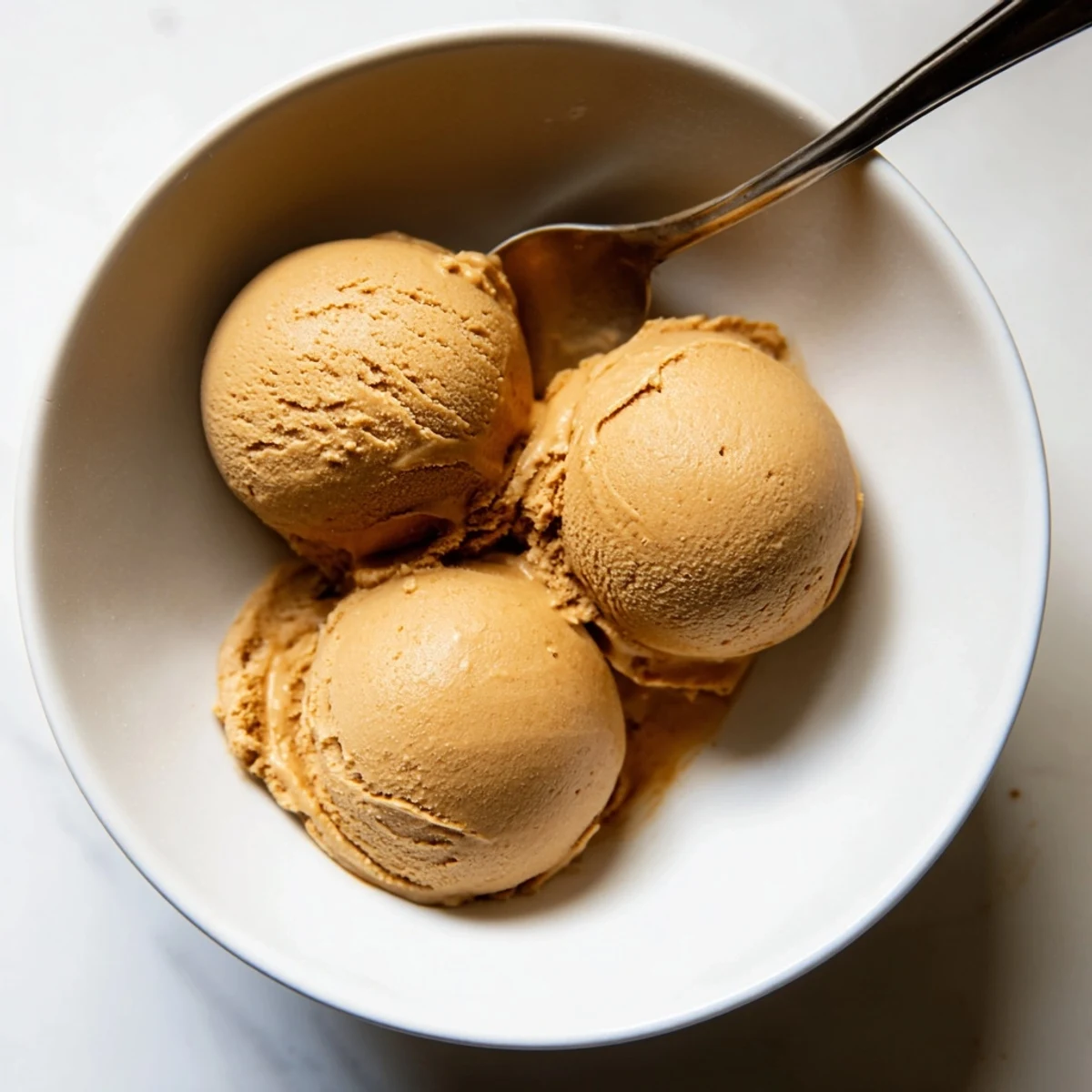
 Theres something deeply satisfying about scooping homemade ice cream you know is going to make people pause and ask what that amazing flavor is. Enjoy every spoonful.
Recipe FAQs
- → What makes hojicha different from regular green tea?
-
Hojicha is roasted green tea leaves that have been roasted over charcoal, giving it a deep reddish-brown color and distinctively nutty, caramel-like flavor. Unlike steamed green teas that remain grassy and vegetal, the roasting process reduces bitterness and creates earthy notes that pair exceptionally well with dairy in frozen desserts.
- → Can I make this without an ice cream maker?
-
Yes, though the texture will be slightly different. Pour the chilled custard into a shallow freezer-safe container and place in the freezer. Every 30 minutes for the first 2-3 hours, remove and stir vigorously with a fork or whisk to break up ice crystals. Continue freezing until firm. The result will be delicious but may be somewhat denser than churned versions.
- → How long does this keep in the freezer?
-
Properly stored in an airtight container, this homemade treat will maintain optimal quality for about 1-2 weeks. For best texture and flavor, consume within the first week. To prevent ice crystals from forming, press a piece of parchment paper directly against the surface before sealing with the lid. Allow to soften slightly at room temperature for 5-10 minutes before scooping.
- → Can I substitute the dairy ingredients?
-
While this version uses whole milk and heavy cream for richness, you can experiment with substitutions. Coconut milk and full-fat coconut cream can work well, though they'll add subtle coconut flavor. Cashew or almond cream are alternatives but may affect the final texture. Keep in mind that fat content is crucial for proper freezing and smooth consistency, so choose alternatives with similar richness.
- → What is the best way to serve hojicha ice cream?
-
This elegant dessert stands beautifully on its own, but thoughtful garnishes can elevate the experience. Toasted sesame seeds add nutty crunch and visual appeal, while a drizzle of black sugar syrup (kuromitsu) provides complementary caramel sweetness. Serve in small bowls alongside fresh fruit like persimmon or pear, or use as a unique topping for warm mochi or red bean desserts. Allow to soften slightly before serving for optimal texture.
- → Why does the mixture need to chill for so long before churning?
-
The extended chilling period, ideally 3-4 hours or overnight, serves two purposes. First, it allows the custard base to reach optimal temperature for efficient freezing in your machine, which produces smoother results. Second, and importantly, the resting time lets the hojicha flavor continue developing and melding with the dairy. This slow infusion creates a more nuanced, well-rounded taste than churning immediately after cooling.