
 Pin It
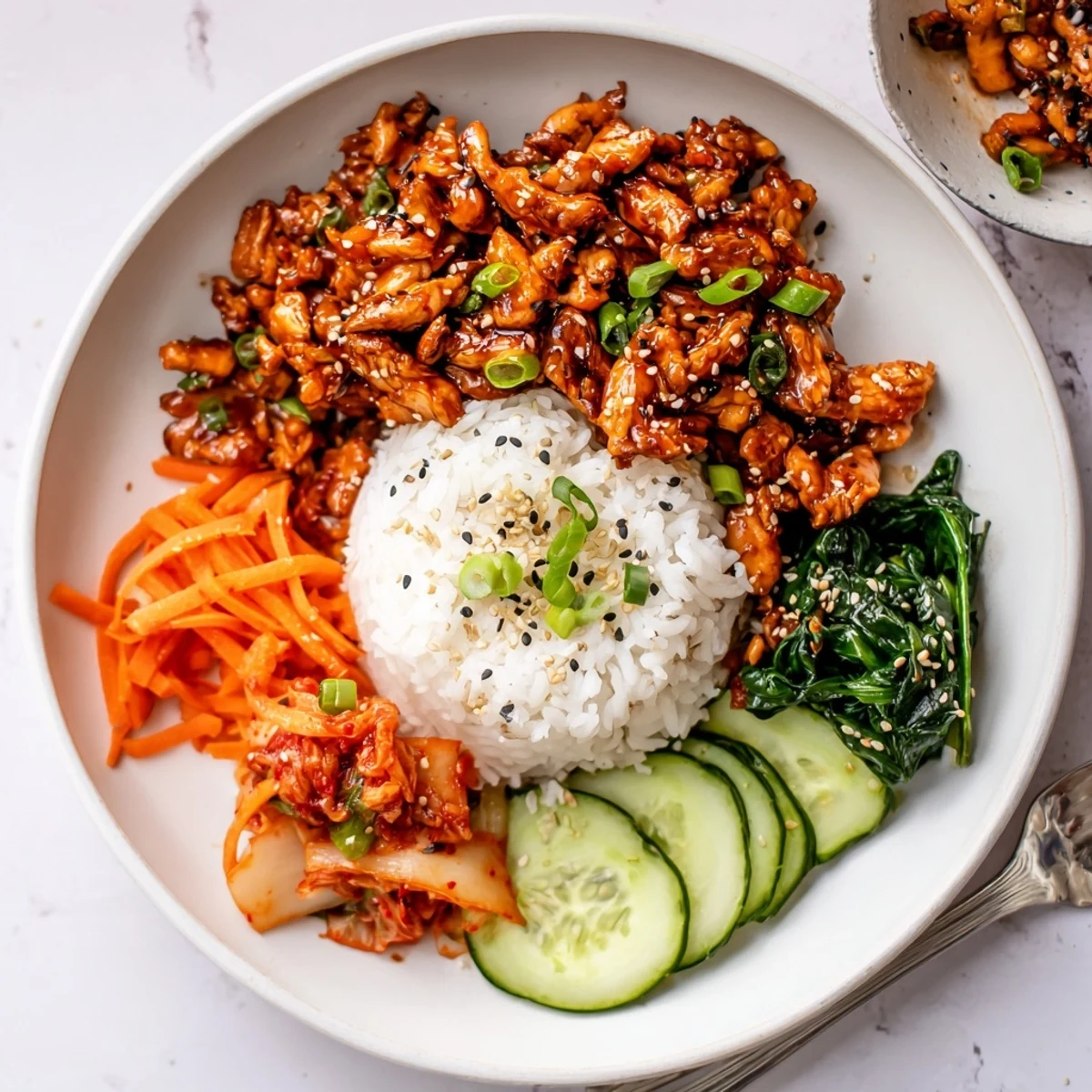
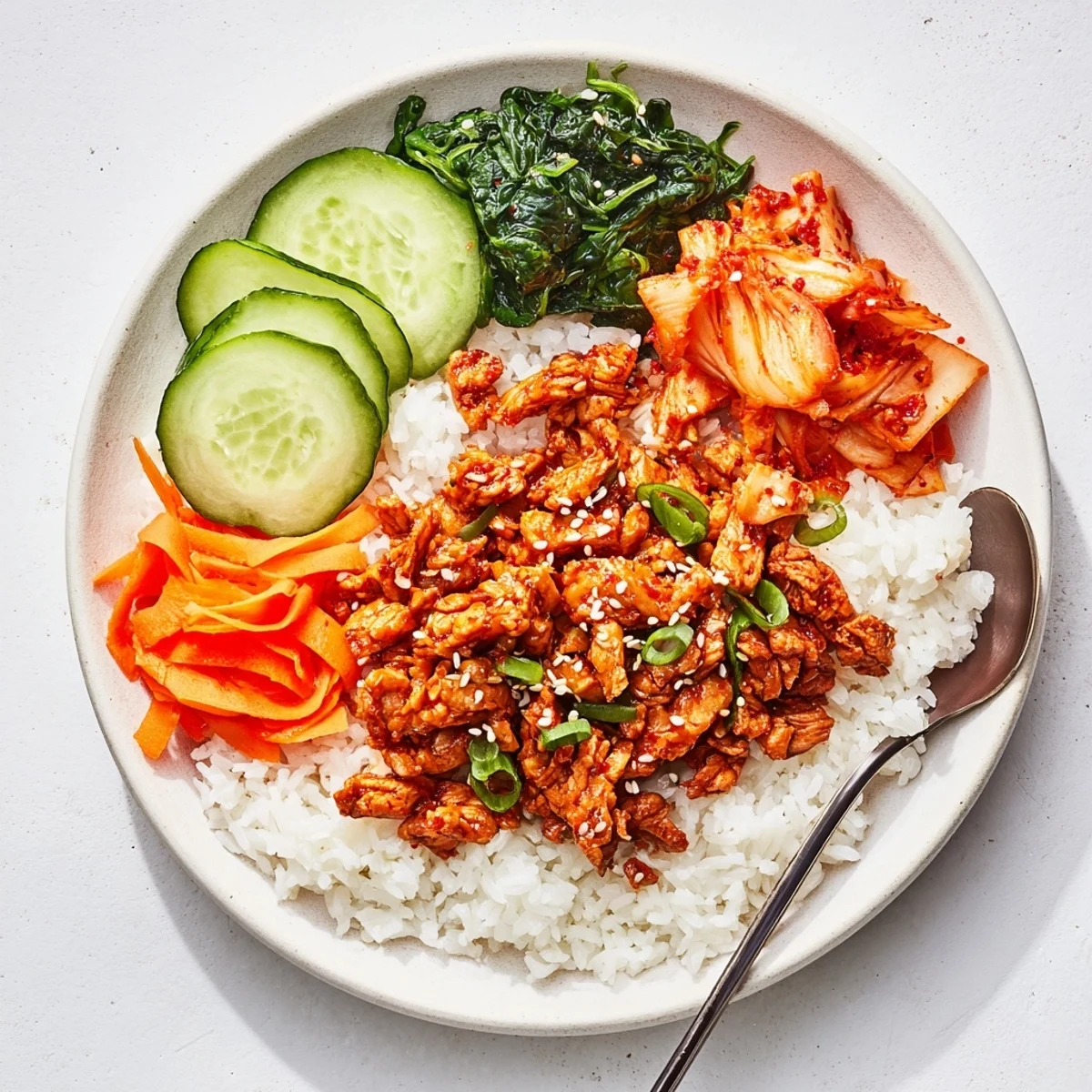
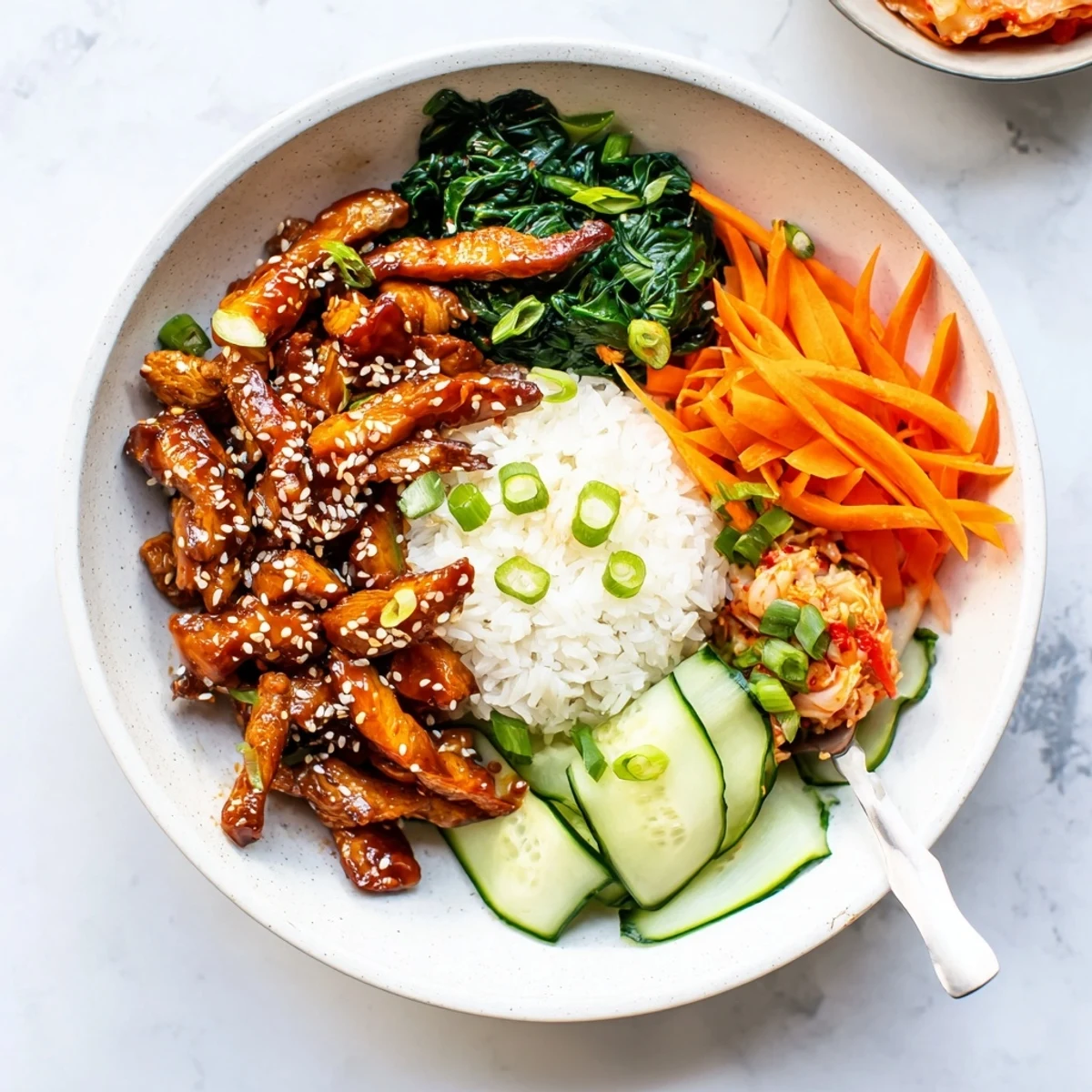
 This Korean-inspired bowl delivers big comfort in every bite. Extra-firm tofu gets shredded, cornstarch-coated, and baked until golden-crisp, then tossed in a homemade bulgogi sauce made with soy sauce, brown sugar, mirin, sesame oil, garlic, ginger, and a kick of gochujang. Served over fluffy short-grain rice alongside julienned carrot, sliced cucumber, sautéed spinach, and optional kimchi, it's a vibrant, satisfying meal that comes together in 40 minutes. Swap in brown rice or cauliflower rice to suit your preference, and don't skip the garnish of sesame seeds and fresh chili for that authentic finish.
There was a Tuesday last winter when my apartment smelled so intensely of toasted sesame and gochujang that my neighbor actually knocked to ask what restaurant I was ordering from. I laughed and held up a bowl of shredded tofu that looked nothing like takeout but tasted like something I would drive across town for. That moment rewired how I thought about tofu completely.
I made these bowls for three friends who swore they did not like tofu and watched every single one go back for seconds. One of them actually texted me the recipe link the next morning asking if it was too early to make it for lunch.
Ingredients
- Extra-firm tofu (400 g): Pressing this thoroughly is the single most important step because water is the enemy of crispiness and I learned that by skipping it once and serving soggy shreds
- Cornstarch (2 tbsp): This creates that fragile golden crust that shatters when you bite into it and no other starch I tried came close
- Neutral oil (1 tbsp): Just enough to help the cornstarch crisp up without making the tofu greasy
- Soy sauce (4 tbsp): The salty backbone of the whole sauce so taste your brand first since some run much stronger than others
- Brown sugar (2 tbsp): Balances the soy sauce with a mellow sweetness that caramelizes slightly when it hits the hot tofu
- Mirin (1 tbsp): Adds a subtle rice wine sweetness that rounds out the sauce in a way plain vinegar cannot replicate
- Sesame oil (1 tbsp): This is what makes your kitchen smell like a proper Korean kitchen so do not skip it or substitute it
- Garlic (2 cloves, minced): Fresh minced garlic gives a sharp aromatic punch that jarred garlic never quite delivers
- Fresh ginger (1 thumb-sized piece, grated): Use the small holes on your grater for a smooth paste that dissolves right into the sauce
- Gochujang (1 tbsp): Optional but it adds a fermented depth and gentle heat that sriracha simply cannot mimic
- Toasted sesame seeds (2 tsp): Toasting them yourself in a dry pan for sixty seconds makes a shocking difference in flavor
- Green onion (1, finely chopped): Adds a fresh sharp bite right at the end that cuts through the rich sauce beautifully
- Cooked short-grain white rice (500 g): The sticky texture holds the bowl together and absorbs the sauce like a sponge
- Carrot (1 medium, julienned): A bright crunch that breaks up the soft textures in every bite
- Cucumber (1 small, thinly sliced): Cool and refreshing against the warm spicy tofu
- Sautéed spinach (100 g): A quick blanch with a drop of sesame oil turns plain spinach into something you actually crave
- Kimchi (1 tbsp, optional): Adds a funky fermented tang that ties the whole Korean flavor profile together
- Fresh red chili (optional): Thinly sliced for a sharp visual pop and a slow building heat
Instructions
- Get your oven screaming hot:
- Preheat to 220°C (425°F) because that high heat is what transforms dusty cornstarch into an actual crust. If you are pan frying instead, get your skillet ripping hot before the tofu goes in.
- Shred and coat the tofu:
- Use your hands or a fork to pull the pressed tofu into irregular bite sized shreds. Toss them in cornstarch until every piece has a faint white dusting but is not caked in it.
- Crisp the shreds:
- Spread the tofu on a parchment lined tray, drizzle with oil, and bake 25 to 30 minutes while tossing halfway through. You want deep golden edges with visible crunch, not just dried out white bits.
- Whisk the bulgogi sauce:
- Combine soy sauce, brown sugar, mirin, sesame oil, garlic, ginger, gochujang, sesame seeds, and green onion in a bowl. Stir until the sugar dissolves completely and the sauce looks glossy.
- Prep your bowl components:
- Blanch the spinach for thirty seconds, drain, and dress with a pinch of salt and a few drops of sesame oil. Julienne the carrot and slice the cucumber while the tofu finishes.
- Coat and assemble:
- Toss the hot crispy tofu directly in the bulgogi sauce and work fast so it stays crunchy. Divide rice among bowls, top with saucy tofu and all your prepped veggies, and garnish with extra sesame seeds, chili slices, and green onion.
 Pin It
 My partner ate this bowl in complete silence for ten minutes straight and then looked up and said it might be the best thing I have ever made in this kitchen. Coming from someone who has endured plenty of my experimental dinners, that felt like a real victory.
Getting the Tofu Texture Right
I used to cube tofu for everything and wondered why it never felt exciting. Shredding it changes the surface area dramatically so every strand gets crispy edges and the sauce clings to more of it. The texture ends up closer to pulled pork than any tofu I had eaten before.
Building Sauce From the Pantry
The beauty of this bulgogi sauce is that every ingredient lives in a standard pantry or fridge door. I have made it in tiny hotel kitchens with nothing but a mini stove and a bowl and it still tasted like it came from a proper restaurant.
Making It Yours
I swap in whatever vegetables are wilting in my crisper drawer and the bowl never suffers for it. Sautéed mushrooms, quick pickled radishes, or even a handful of bean sprouts all work beautifully.
- Brown rice or quinoa makes a great base if you want something lighter than white rice
- Tamari swaps in easily for a gluten free version without changing the flavor profile
- A cold glass of Korean barley tea on the side turns the whole meal into a small ritual
 Pin It
 This bowl started as a weeknight experiment and became the recipe I make when I need something that actually feels like a hug. It proves that plant based comfort food does not have to try hard to be incredible.
Recipe FAQs
- → How do I get the tofu really crispy?
-
Press and drain the tofu thoroughly, shred it into small pieces, toss evenly with cornstarch, and bake at 220°C (425°F) for 25–30 minutes, tossing halfway through. Make sure the pieces are spread in a single layer without overcrowding.
- → Can I make this gluten-free?
-
Yes—replace soy sauce with tamari and verify that your gochujang is labeled gluten-free. Most other ingredients are naturally gluten-free.
- → What can I substitute for gochujang?
-
Sriracha works well as a substitute if you don't have gochujang. It brings a similar heat level, though the flavor profile will be slightly different—less fermented and more straightforwardly spicy.
- → Can I pan-fry the tofu instead of baking?
-
Absolutely. Heat a non-stick skillet with a tablespoon of neutral oil and pan-fry the cornstarch-coated tofu in batches over medium-high heat until golden and crisp on all sides, about 8–10 minutes per batch.
- → How do I store and reheat leftovers?
-
Store components separately in airtight containers in the fridge for up to 3 days. Reheat rice and tofu in a skillet or microwave, and add fresh veggies and sauce just before serving to maintain texture.
- → What other toppings work well in this bowl?
-
Sautéed mushrooms, bean sprouts, pickled radish, avocado, or a soft fried egg (if not strictly vegan) all pair beautifully. Nori strips or a drizzle of sesame oil at the end add extra depth.