
 Pin It
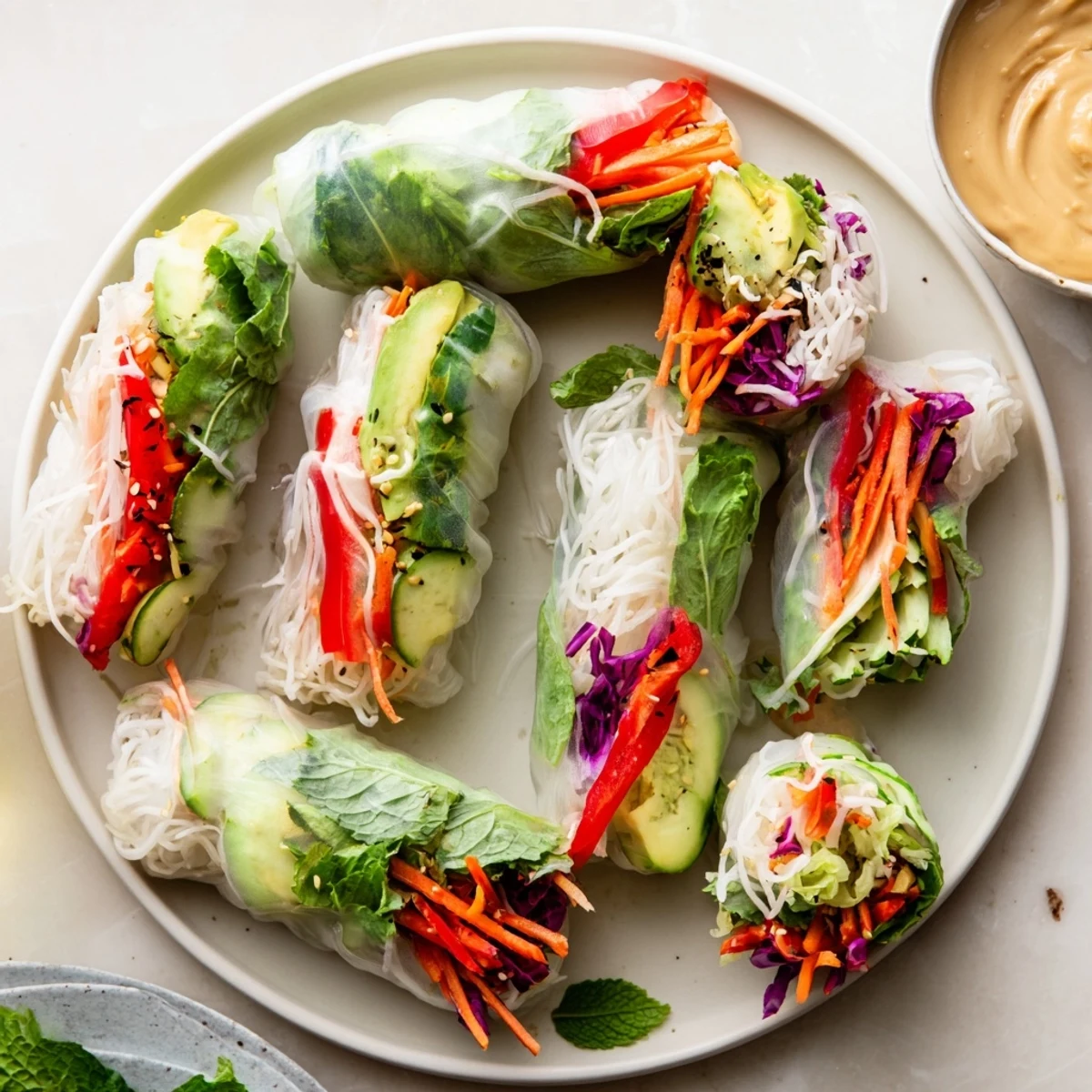
 These Vietnamese-inspired fresh rolls combine crisp vegetables, fragrant herbs, and delicate rice vermicelli wrapped in translucent rice paper. The result is a light, refreshing appetizer that delivers satisfying crunch and vibrant flavors in every bite.
Preparation comes together in just 30 minutes with no cooking required. The key is softening the rice paper wrappers properly and arranging the colorful julienned vegetables alongside generous handfuls of mint, cilantro, and basil.
The accompanying peanut dipping sauce brings everything together with its creamy, savory-sweet profile. A blend of peanut butter, soy sauce, hoisin, lime, and touch of sriracha creates the perfect complement to the fresh vegetables and herbs.
Customize with protein additions like shrimp, tofu, or chicken, or keep them vegetarian as written. Best enjoyed immediately when the rice paper is at its most pliable and the vegetables retain their crisp texture.
The first time I attempted fresh spring rolls, my kitchen counter looked like a vegetable explosion gone wrong. I had julienned everything meticulously, but the rice papers kept tearing and my filling ended up everywhere except inside the rolls. Three attempts later, I finally learned the dance of warm water, quick hands, and confident folding. Now these rolls have become my go-to when I want something that feels indulgent yet leaves me feeling light and energized.
Last summer I made these for a backyard dinner party and watched something magical happen. My usually vegetable-averse nephew reached for one hesitantly, then proceeded to eat three while declaring these the best snacks ever. Theres something about the interactive nature of spring rolls, the vibrant rainbow of ingredients visible through translucent paper, that makes even skeptical eaters curious.
Ingredients
- 8 rice paper wrappers: These delicate rounds soften in warm water and become the perfect edible package for all that fresh goodness
- 100 g rice vermicelli noodles: Cooked and cooled, these add a satisfying slip and substance to each roll
- 1 medium carrot, julienned: The crunch here is non negotiable, so cut those sticks thin and uniform
- 1 small cucumber, julienned: English cucumbers work beautifully here with their thin skin and minimal seeds
- 1 red bell pepper, thinly sliced: This brings sweetness and that gorgeous pop of color through the wrapper
- 50 g red cabbage, finely shredded: The slight peppery bite and purple hue make every roll feel festive
- 1 small avocado, sliced: Creaminess that balances all the crisp vegetables perfectly
- 8 large lettuce leaves: Butter or Boston lettuce creates a sturdy foundation that keeps filling from falling through
- 24 fresh mint leaves, 24 fresh cilantro sprigs, and 16 fresh basil leaves: This herb trio is the soul of the dish, so do not skimp
- 3 tbsp creamy peanut butter: The backbone of a sauce that will make you lick the bowl
- 1 tbsp soy sauce: Use tamari if you need to keep it gluten free
- 1 tbsp hoisin sauce: Adds that sweet umami depth that makes the sauce irresistible
- 1 tbsp lime juice: Fresh squeezed is the only way to go, brightening everything beautifully
- 1 tsp sesame oil: A little goes a long way, so measure carefully
- 1 to 2 tbsp warm water: The secret to getting your sauce to that perfect dippable consistency
- 1 tsp honey or maple syrup: Just enough sweetness to balance the tangy elements
- 1 small garlic clove, finely grated: Fresh garlic beats powdered every single time
- 1 tsp sriracha or chili sauce: Optional unless you are like me and believe everything is better with a little heat
Instructions
- Prep your noodles:
- Cook those vermicelli according to the package, then rinse under cold water until they are completely cool. Drain them well because soggy noodles will ruin your rolling game.
- Set up your rolling station:
- Arrange all your vegetables, herbs, and noodles in separate bowls like you are hosting a cooking show. Having everything within arms reach makes the actual rolling so much smoother.
- Soften the rice paper:
- Fill a large shallow dish with warm water and gently dip one wrapper for 10 to 15 seconds. You want it pliable but not completely floppy, then lay it flat on a damp towel or clean surface.
- Layer your fillings:
- Place a lettuce leaf in the lower third of the wrapper, add a small handful of noodles, then pile on the carrot, cucumber, bell pepper, cabbage, avocado, and a generous mix of those fresh herbs.
- Roll it up tight:
- Fold the sides inward like you are wrapping a burrito, then roll from the bottom up, keeping everything snug but not so tight that the wrapper tears.
- Whisk up that peanut sauce:
- Combine the peanut butter, soy sauce, hoisin, lime juice, sesame oil, honey, garlic, and sriracha in a bowl. Add warm water one tablespoon at a time until you reach a smooth, dippable consistency.
- Start dipping:
- Serve those beautiful rolls immediately with the peanut sauce on the side and watch them disappear.
 Pin It
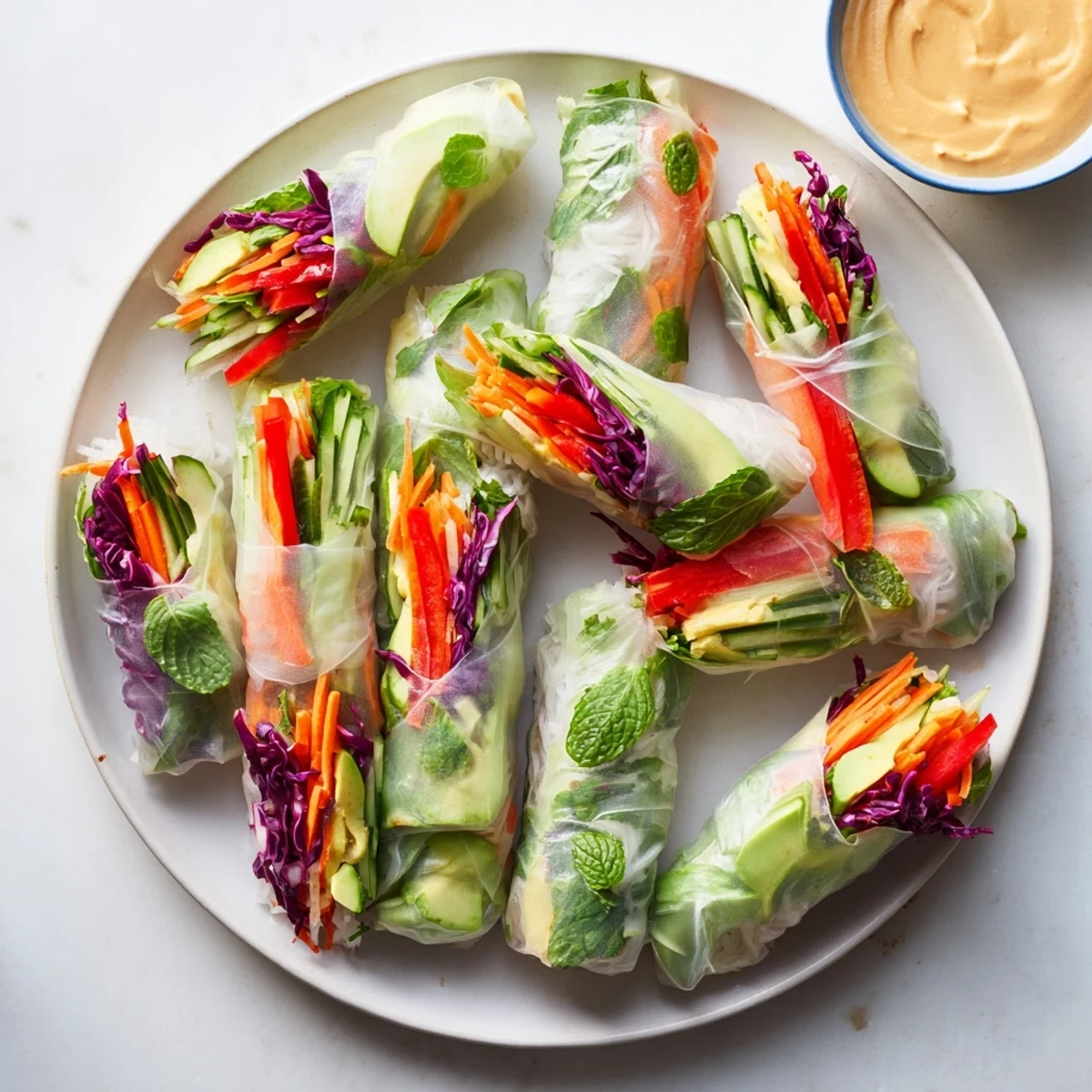
 My friend Lan showed me her grandmother is technique during a rainy afternoon cooking session, and it changed everything. She told me that spring rolls are meant to be imperfect, that the beauty lies in seeing all those vibrant ingredients through the translucent paper. That conversation freed me from the pressure of making them look restaurant perfect and let me just enjoy the process.
Making Ahead Without Disaster
I have learned that these are best enjoyed fresh, but life does not always cooperate with ideal serving times. If you must prep ahead, layer the finished rolls between damp paper towels and plastic wrap, then refrigerate for up to four hours. The rice paper will get slightly gummy, but they will still taste delicious even if the texture is not quite the same as fresh rolled.
Protein Additions That Work
While I love these as a light vegetarian appetizer, adding protein transforms them into a complete meal. Cooked shrimp sliced in half, seasoned tofu strips, or shredded rotisserie chicken all nestle beautifully among the vegetables. Just keep your protein portions modest so the rolls stay easy to fold and eat.
Vegetable Swapping Guide
The beauty of spring rolls lies in their adaptability to whatever looks fresh at the market. Thinly sliced mango adds incredible sweetness, bean sprouts contribute extra crunch, and even shredded purple kohlrabi works beautifully when you want something unexpected.
- Mangos are especially good with a sprinkle of chopped peanuts inside the roll
- Microgreens or pea shoots make elegant additions when you want to impress guests
- Try pickled vegetables for a tangy twist on the classic fresh profile
 Pin It
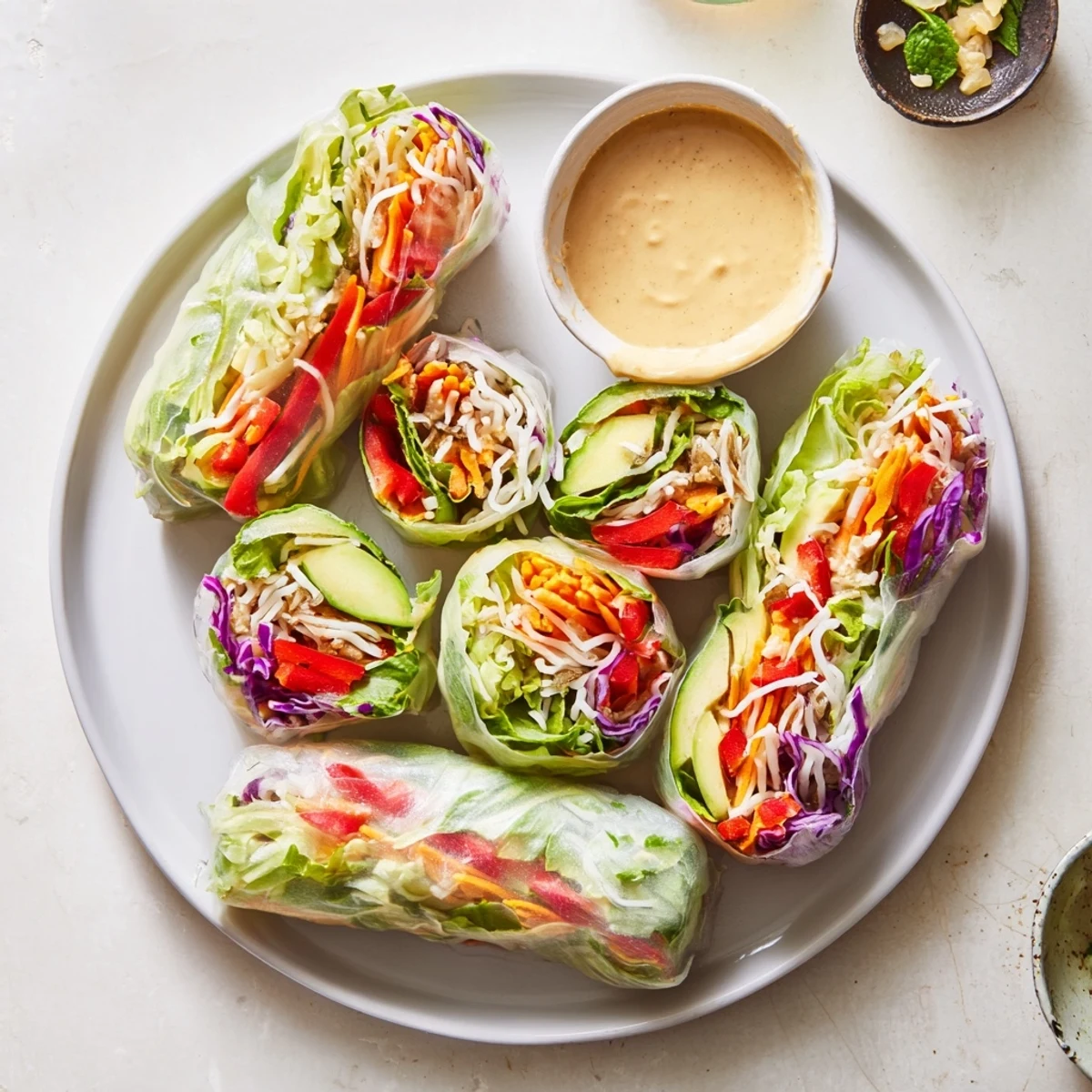
 These rolls have become my answer to almost every gathering, from casual weeknight dinners to fancy appetizer spreads. There is something universally appealing about fresh vegetables wrapped in delicate rice paper, and watching friends customize their own rolls has become one of my favorite ways to share a meal.
Recipe FAQs
- → How do I prevent rice paper wrappers from tearing?
-
Use warm (not hot) water and soak wrappers for only 10–15 seconds until just pliable. Over-soaking makes them too fragile. Work on a damp towel and handle gently while rolling.
- → Can I make these ahead of time?
-
They're best enjoyed fresh within 1–2 hours. If storing, cover with a damp paper towel and plastic wrap, refrigerate up to 4 hours. The rice paper will gradually become less pliable over time.
- → What can I substitute for peanut butter in the sauce?
-
Try almond butter, cashew butter, or sunflower seed butter for similar creamy texture. For nut-free, use tahini or coconut cream adjusted with lime and sweetener.
- → How do I julienne vegetables for spring rolls?
-
Cut vegetables into thin, matchstick strips about 2–3 inches long. A sharp knife, mandoline, or julienne peeler works well. Uniform cuts ensure even rolling and consistent texture.
- → Are these spring rolls gluten-free?
-
Rice paper wrappers and naturally gluten-free vegetables make the base gluten-free. Ensure your soy sauce and hoisin are labeled gluten-free, or use tamari and coconut aminos instead.
- → What other herbs work well in fresh rolls?
-
Thai basil, holy basil, lemon balm, or perilla leaves add unique flavors. Adjust quantities based on preference—herbs should be prominent but not overwhelming.