
 Pin It
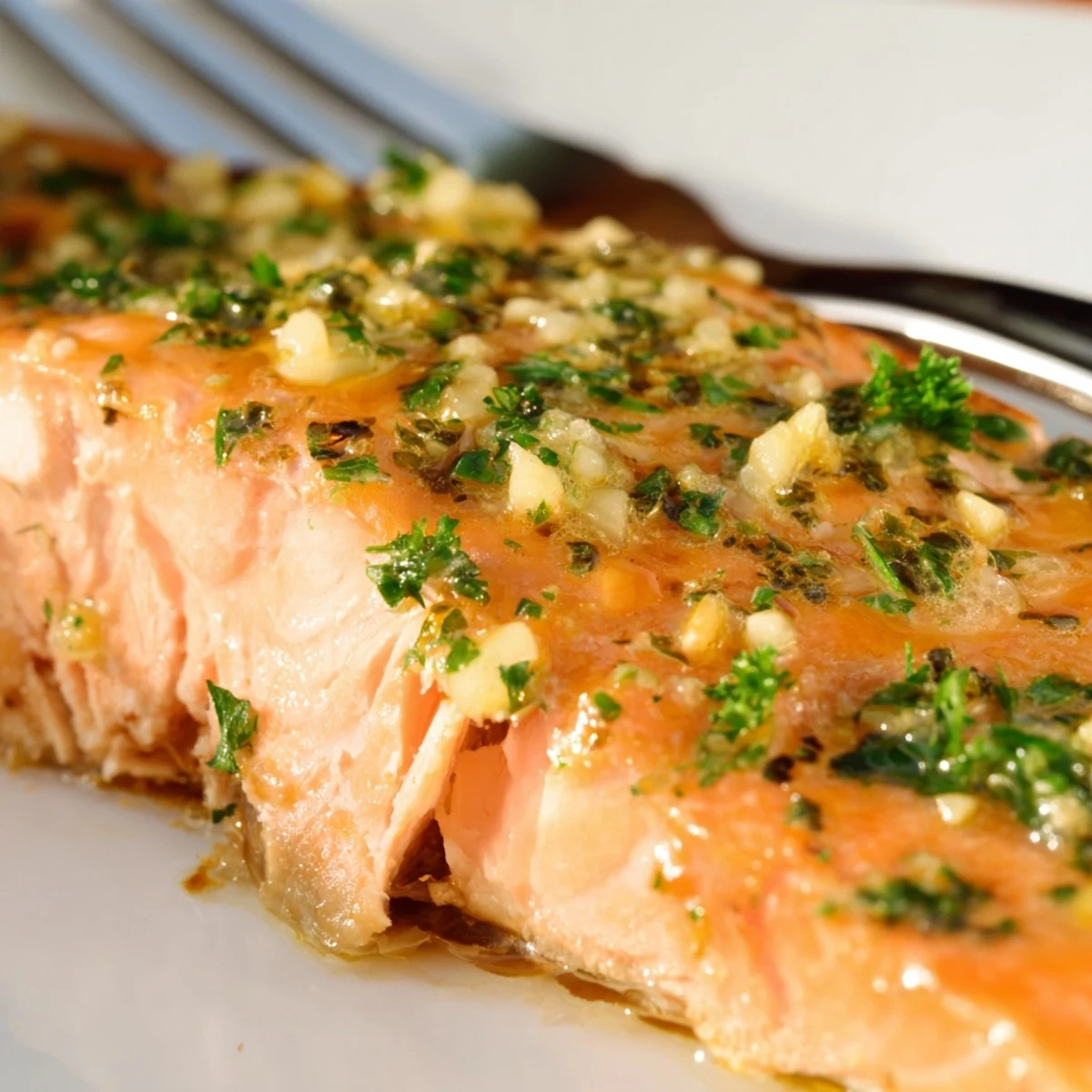
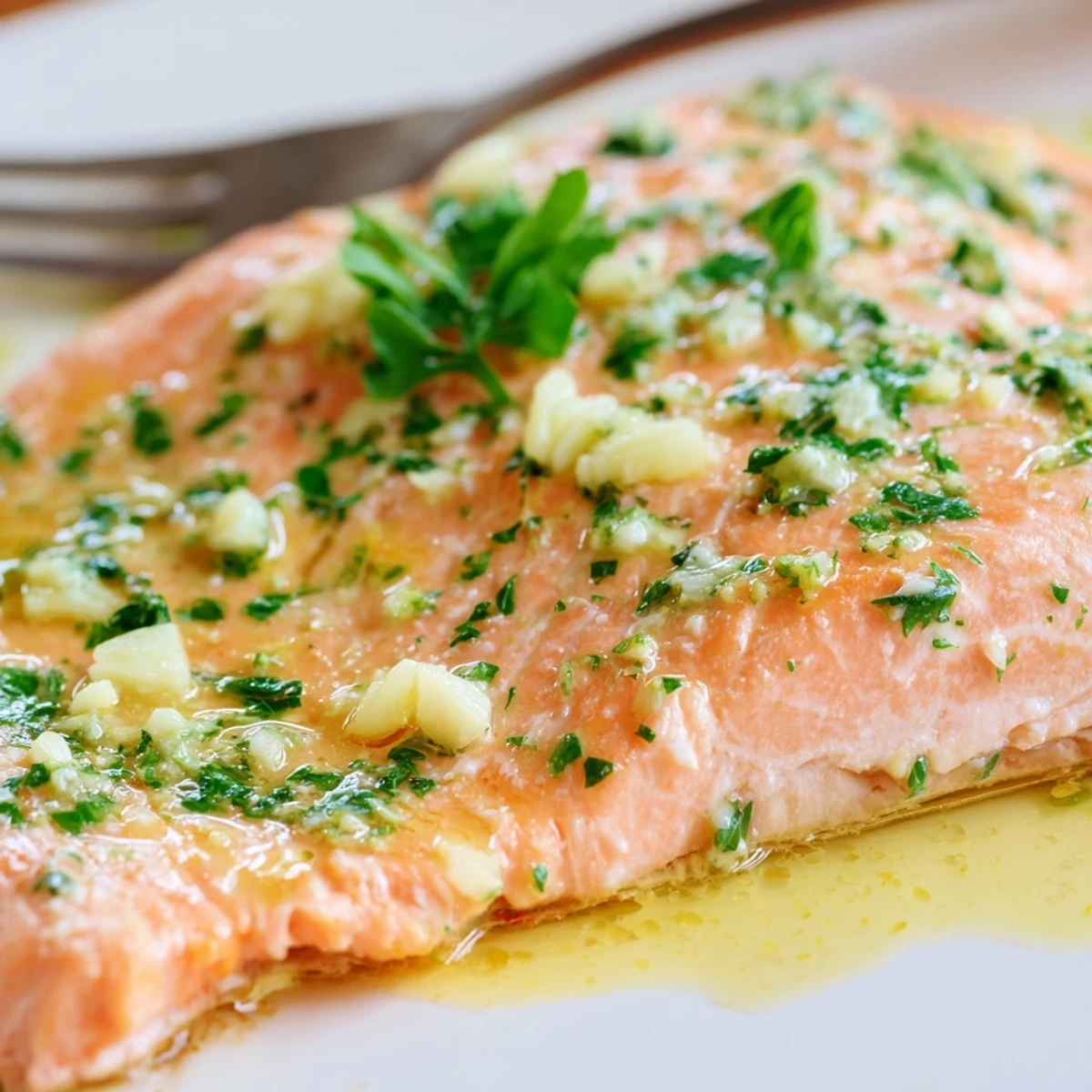
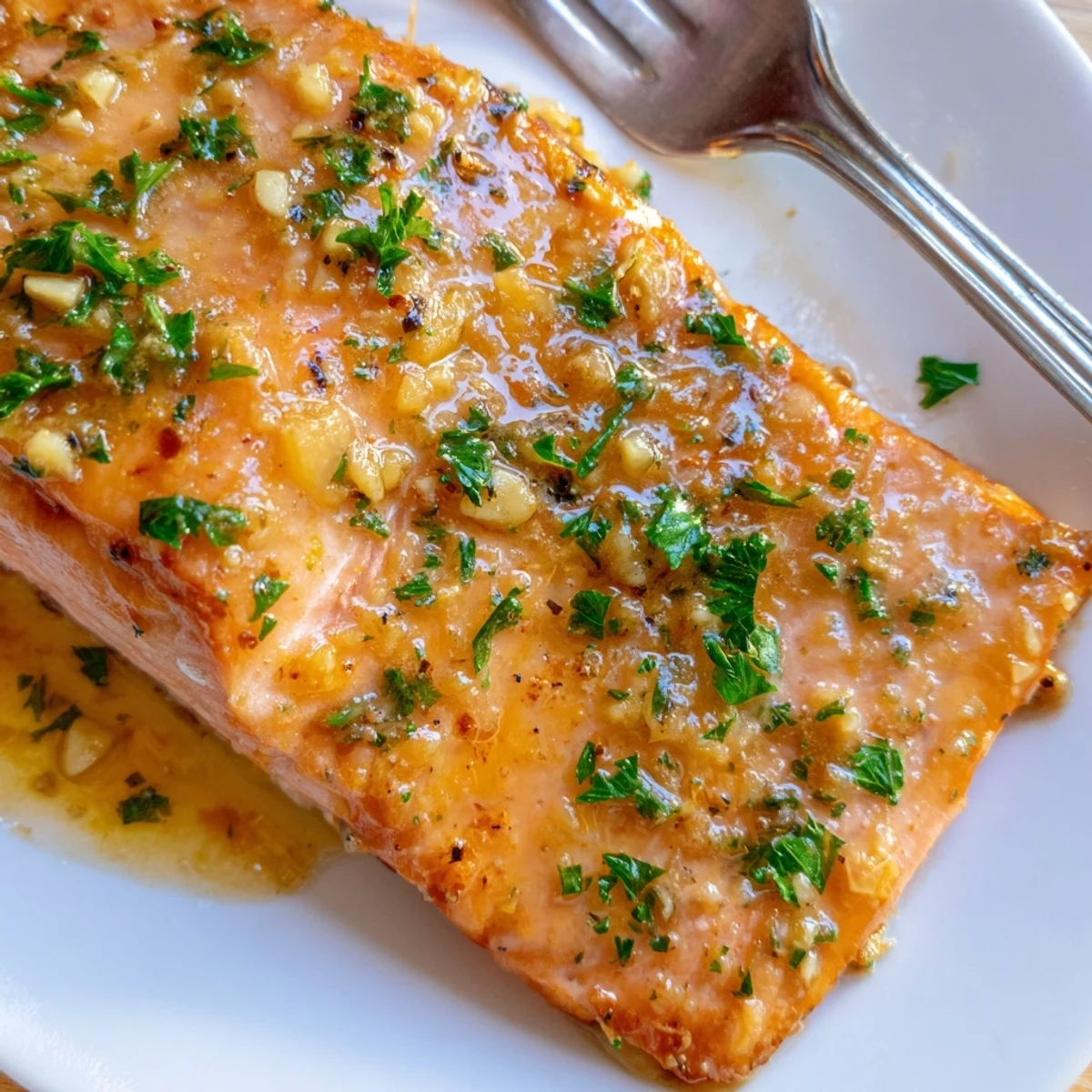
 This dish features succulent salmon fillets baked to perfection in a luscious garlic butter sauce infused with fresh lemon juice and aromatic parsley. The combination creates a tender, flaky fish with a golden, flavorful crust that comes together in just 25 minutes.
The preparation is straightforward: simply whisk melted butter with minced garlic, lemon zest, and parsley, then generously coat each salmon fillet before baking. The result is an impressive main dish that feels elegant enough for entertaining while remaining perfectly practical for weeknight dinners.
Ready in under 30 minutes with minimal hands-on time, this versatile dish pairs beautifully with steamed vegetables, roasted potatoes, or fluffy rice for a complete meal.
The first time I made this garlic butter salmon, my apartment smelled so incredible that my neighbor knocked on my door to ask what I was cooking. That's when I knew this recipe was something special. It's become my go-to for weeknight dinners that feel fancy enough for company but come together in minutes.
I made this for my sister's birthday dinner last month, and she literally paused mid-bite to tell me it was the best salmon she'd ever had. Watching my usually picky nephew go back for seconds was just the cherry on top. Now it's her most requested recipe whenever she visits.
Ingredients
- 4 salmon fillets: I prefer skin-on because it gets wonderfully crispy and helps hold the fish together, but skinless works perfectly too if that's what you prefer
- 60 g unsalted butter melted: Unsalted lets you control the seasoning, and melting it first makes it so much easier to evenly coat every inch of the salmon
- 3 garlic cloves minced: Fresh garlic is non negotiable here, it mellows beautifully in the oven and infuses the entire fish
- 1 tablespoon freshly squeezed lemon juice: Brightens everything and cuts through the rich butter
- 1 teaspoon lemon zest: This little trick adds concentrated citrus flavor that makes the dish taste restaurant quality
- 2 tablespoons fresh parsley finely chopped: Adds gorgeous color and a fresh herbal note that balances the garlic
- 1/2 teaspoon salt and 1/4 teaspoon black pepper: Simple seasonings that let the salmon shine while enhancing all the other flavors
Instructions
- Preheat and prepare your baking space:
- Heat your oven to 200°C 400°F and line a baking sheet with parchment paper for the easiest cleanup ever, or give it a quick light grease
- Arrange the salmon:
- Place your fillets skin side down on the prepared sheet, leaving a bit of space between them so they cook evenly
- Whisk up the magic sauce:
- In a small bowl, combine the melted butter, minced garlic, lemon juice, lemon zest, parsley, salt, and pepper until everything's well blended
- Coat the fish generously:
- Spoon that beautiful garlic butter mixture over each salmon fillet, making sure to cover every inch for maximum flavor
- Bake to perfection:
- Slide into the oven for 12 to 15 minutes until the salmon is opaque and flakes easily with a fork at 63°C 145°F internally
- Add the finishing touches:
- Let it rest for just a minute, then add those lemon slices and extra parsley if you're feeling fancy
 Pin It
 This salmon has saved me on countless busy weeknights when I wanted something comforting but didn't have hours to cook. There's something so satisfying about putting together a meal that tastes this good with minimal effort.
Making It Your Own
I've discovered that adding a pinch of red pepper flakes to the butter mixture gives it this subtle warmth that's absolutely addictive. Sometimes I'll swap the parsley for fresh dill when I'm craving that classic salmon and dill combination. Both ways are equally delicious.
Perfect Pairings
My favorite way to serve this is alongside roasted asparagus and some buttery mashed potatoes. The lemon from the salmon brightens up everything on the plate. When I'm feeling lighter, a simple arugula salad with a lemon vinaigrette works beautifully too.
Making It Ahead
You can mix up the garlic butter sauce up to a day ahead and keep it in the fridge, just give it a quick whisk before using. The salmon itself is best cooked fresh, but leftovers are fantastic flaked into salads for lunch the next day.
- Leftovers keep well for 2 to 3 days in an airtight container in the fridge
- Gently reheat with a splash of water to keep it from drying out
- Serve cold over salads with the leftover sauce drizzled on top
 Pin It
 This recipe reminds me that the best meals don't need to be complicated, they just need a little love and good ingredients. I hope it becomes a staple in your kitchen like it has in mine.
Recipe FAQs
- → What temperature should salmon be baked at?
-
Bake salmon at 200°C (400°F) for 12–15 minutes until the fish is opaque and flakes easily with a fork. The internal temperature should reach 63°C (145°F) for perfectly cooked, moist fish.
- → Can I use frozen salmon fillets?
-
Yes, thaw frozen salmon completely in the refrigerator overnight before using. Pat the fillets dry with paper towels to remove excess moisture, which helps the garlic butter sauce adhere properly and promotes even cooking.
- → How do I know when the salmon is done?
-
The salmon is ready when it turns opaque throughout and flakes easily when tested with a fork. An instant-read thermometer inserted into the thickest part should read 63°C (145°F). Avoid overcooking to keep the fish moist and tender.
- → Can I make this dairy-free?
-
Absolutely. Substitute the unsalted butter with an equal amount of high-quality olive oil. The olive oil creates a delicious Mediterranean variation while maintaining the rich, savory profile that complements the salmon beautifully.
- → What herbs work best in the butter sauce?
-
Fresh parsley is classic, but dill, chives, or fresh thyme make excellent alternatives. Each herb brings its own character—dill adds brightness, chives provide mild onion notes, and thyme contributes earthy undertones to the butter mixture.
- → Should I remove the skin before baking?
-
Either method works well. Skin-on helps hold the fillet together and can become crispy, while skinless allows the butter sauce to coat all sides directly. If leaving the skin on, place the salmon skin-side down on the baking sheet.