
 Pin It
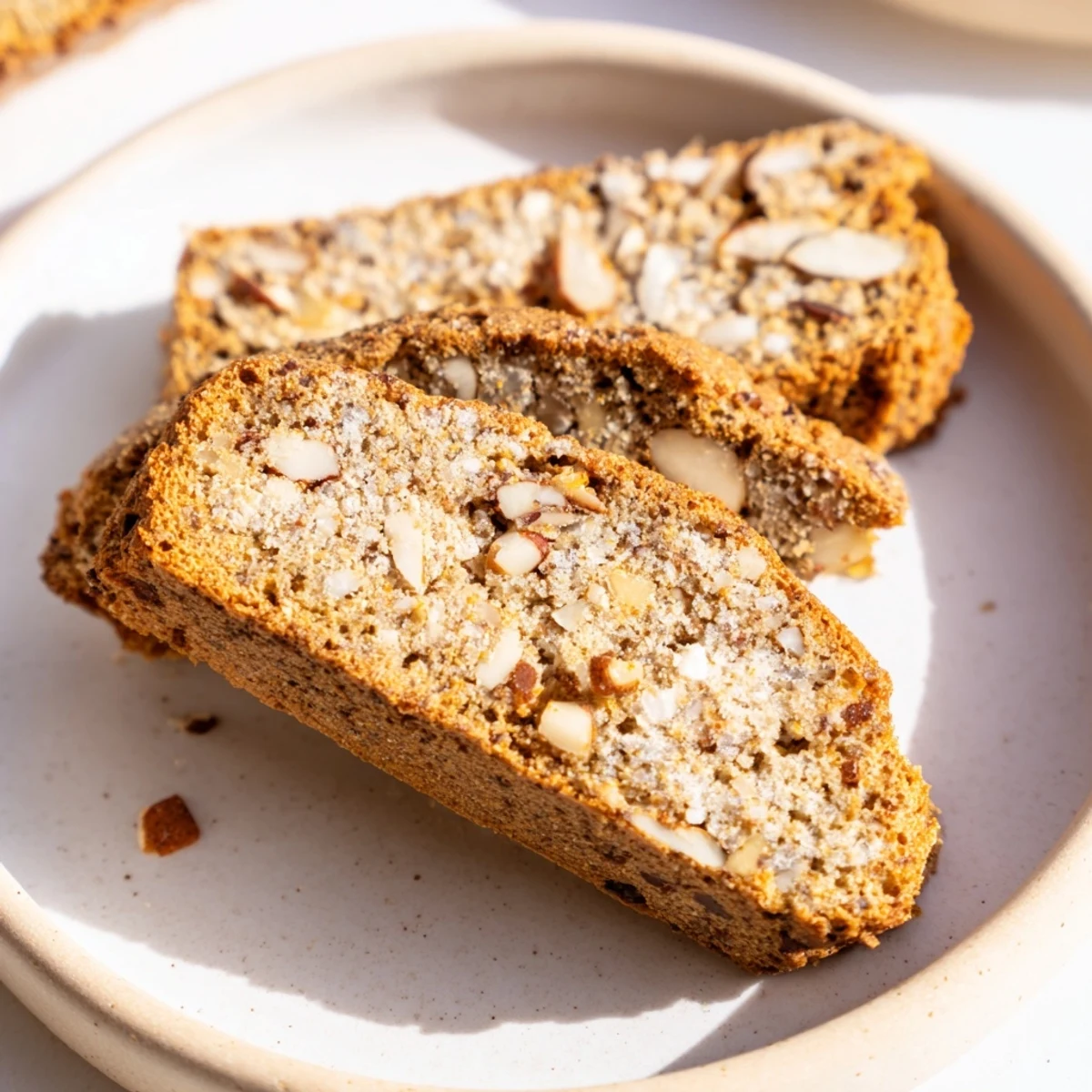
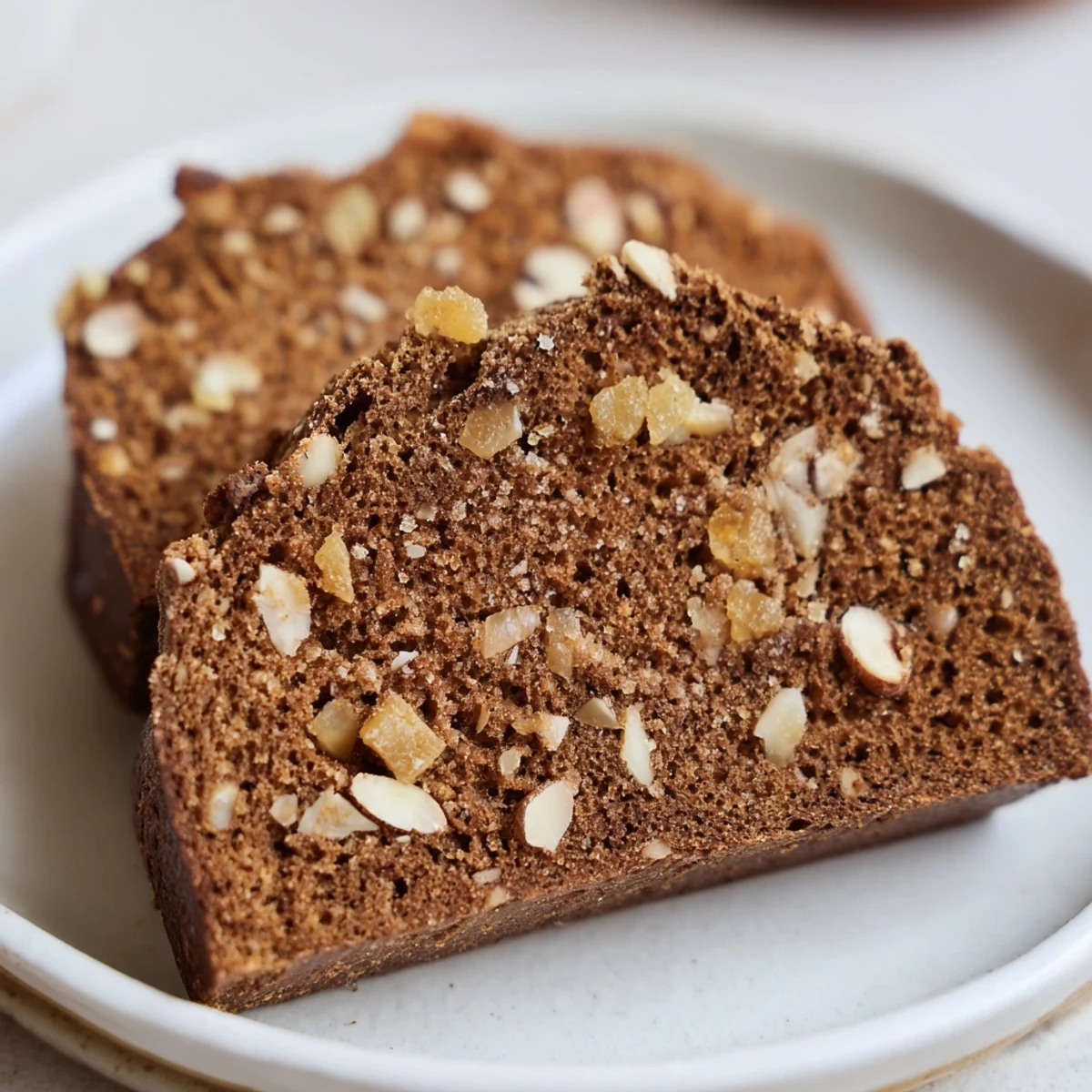
 This gingerbread biscotti features a blend of warm spices like ginger, cinnamon, and cloves combined with espresso powder to create a crunchy and aromatic treat. The dough incorporates molasses and brown sugar for a rich sweetness, enhanced by optional chopped toasted almonds and crystallized ginger for added texture. Twice baked until golden and crisp, these biscotti pair perfectly with a morning coffee or as a festive snack. Nut substitutions and chocolate dipping options allow for customization, with a total preparation time of just over an hour.
My sister brought a box of Italian biscotti to a holiday potluck years ago, and I watched people unconsciously reach for them all evening—dunking them in coffee, tea, hot cider, whatever they had nearby. That's when I realized biscotti wasn't just a cookie, it was an invitation to slow down. Now I make these gingerbread versions every December, and the kitchen fills with that distinctive warm spice smell that somehow feels both cozy and sophisticated.
I made these for a friend during her first winter in a new city, and she texted me later saying she'd eaten them all in three days—one with her morning coffee every single day. That small thing, a twice-baked cookie, somehow became part of her routine when everything else felt unfamiliar.
Ingredients
- All-purpose flour (2 1/4 cups): The foundation that needs just enough gluten development to hold these logs together without making them tough—gentle mixing is your friend here.
- Ground ginger (1 1/2 teaspoons): This is the star, so use fresh ground ginger if you can find it at a good spice shop; it makes a real difference in brightness.
- Cinnamon, cloves, and nutmeg (1 teaspoon, 1/4 teaspoon, and 1/4 teaspoon): Together these create that warm, almost nostalgic spice blend that feels like home.
- Baking powder and baking soda (1/2 teaspoon and 1/4 teaspoon): These work together to give you just enough rise without making the crumb too cakey.
- Salt (1/4 teaspoon): Essential for brightening all those spices and preventing the cookies from tasting flat.
- Unsalted butter and brown sugar (1/2 cup and 2/3 cup): Cream these until they look almost mousse-like—this step matters more than you'd think for texture.
- Eggs (2 large): Add them one at a time so they emulsify properly into the butter mixture.
- Molasses (1/4 cup): This adds moisture and a subtle richness that regular sugar never quite achieves.
- Vanilla extract (1 teaspoon): A small amount that ties everything together without competing with the ginger.
- Instant espresso powder (1 tablespoon dissolved in hot water): This deepens all the warm spices and plays beautifully with coffee when you dunk these later.
- Crystallized ginger (1/3 cup chopped): These little jewels give you bright ginger bursts throughout, so don't skip or under-chop them.
- Almonds (1/2 cup toasted, optional): Toasting them yourself brings out their flavor, though hazelnuts or walnuts work beautifully too if that's what you have.
Instructions
- Warm your kitchen first:
- Preheat to 350°F and line your baking sheet with parchment—this matters because the parchment keeps the first bake from browning the bottoms too quickly.
- Build your dry mixture:
- Whisk together flour, ginger, cinnamon, cloves, nutmeg, baking powder, baking soda, and salt in a medium bowl. You want everything evenly distributed so no bite is spice-heavy.
- Cream butter and brown sugar:
- Beat these together for about 2-3 minutes until they look pale and fluffy, almost like soft mousse. This creates air pockets that matter for the final texture.
- Add eggs and moisture:
- Beat in eggs one at a time, waiting between each addition so they fully incorporate. Then mix in the molasses and vanilla until you have a cohesive, glossy mixture.
- Dissolve the espresso:
- Stir instant espresso powder into 1 tablespoon of hot water until smooth, then fold this into your wet mixture. The heat helps it bloom and deepen all those spices around it.
- Bring it together gently:
- Add dry ingredients to wet in three additions, mixing only until no streaks of flour remain. Overmixing makes tough biscotti, so stop as soon as things come together.
- Add your treasures:
- Fold in the almonds and crystallized ginger carefully, keeping them evenly distributed throughout the dough.
- Shape into logs:
- Divide dough in half and shape each portion into a log about 12 inches long and 2 inches wide on your parchment. Wet hands make this easier and neater.
- First bake:
- Bake at 350°F for 25 minutes until the logs are firm to the touch and lightly browned on top. They should feel set but still have some give.
- Cool and slice:
- Cool for 10 minutes—this makes slicing easier without the biscotti crumbling apart. A serrated knife works best here, and diagonal cuts look more elegant.
- Lower the heat:
- Reduce oven temperature to 300°F for the second bake, which dries them out gently without over-browning.
- Second bake:
- Lay slices cut-side down and bake 15-20 minutes, turning once halfway through. You're looking for golden color and a snap when you break one in half.
- Cool completely:
- Let them sit on a wire rack until completely cool and crisp—this final step locks in that signature biscotti crunch.
 Pin It
 I'll never forget my neighbor stopping by around 4 PM one winter afternoon, the smell of these baking having drifted across our yards, and how her face lit up when I handed her a box. She'd been dealing with some difficult things that season, and somehow these humble biscotti became a small gesture that mattered more than I realized at the time.
The Magic of Twice-Baking
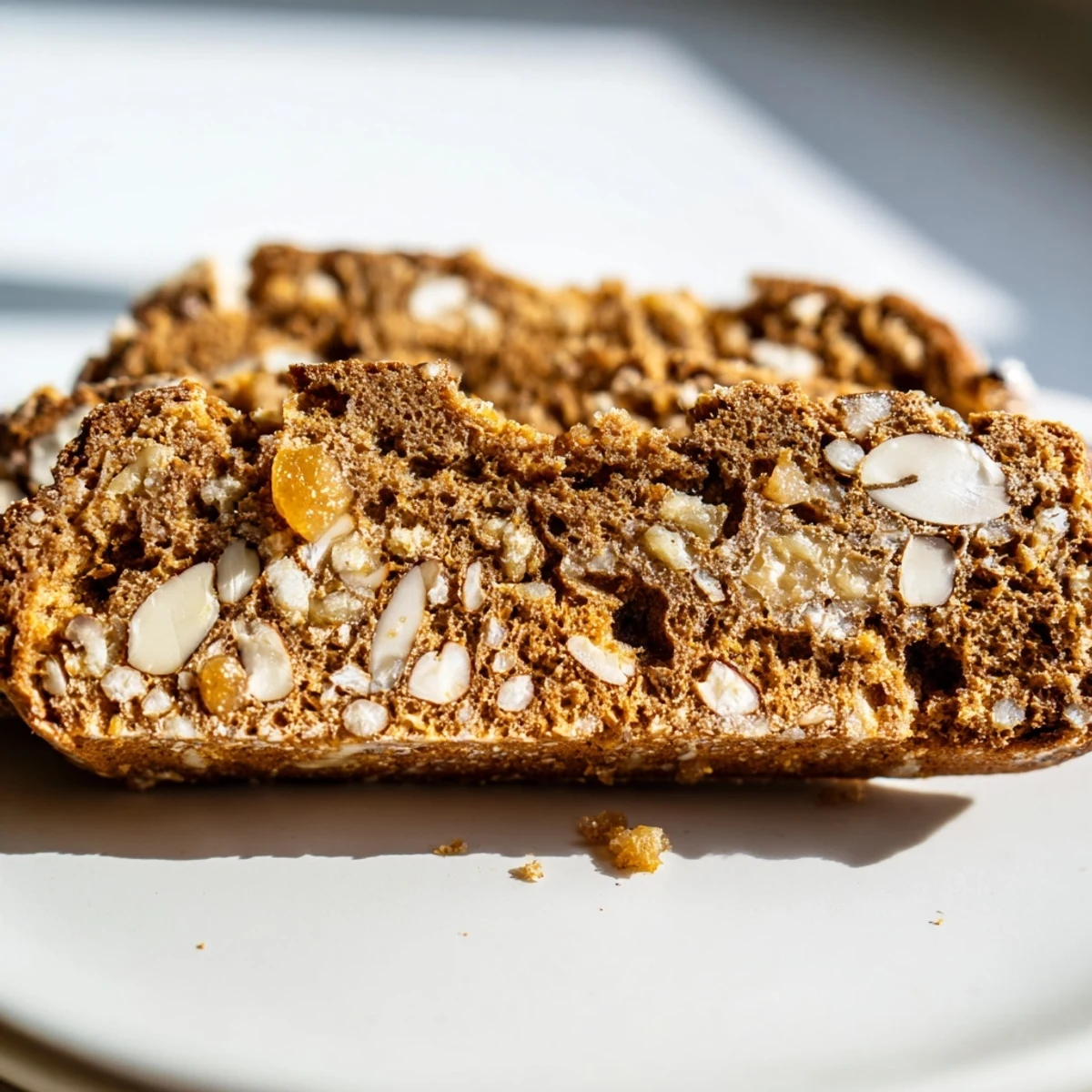
The whole genius of biscotti lives in that second bake—it's what transforms a soft cookie dough into something with real staying power. I used to think this was just Italian tradition for tradition's sake, but after years of making them, I understand now that it's actually brilliant engineering. That first bake sets the structure, and the second one removes just enough moisture to create a snap that resists the coffee or tea you're dunking it in, giving you maybe five full seconds of contact before absorption starts.
Customizing Your Batch
One thing I love about this recipe is how forgiving it is when you want to make it your own. I've done versions with walnuts when almonds weren't in the house, tried half the spices one time out of curiosity, and even experimented with candied orange peel instead of crystallized ginger. The base stays solid—the butter-to-egg-to-flour ratio works, the baking times hold—so you have real freedom to play around without worrying about baking disasters.
Making Them Even More Special
If you want to take these slightly fancier, there's a trick I learned that changes everything: dip one end of each finished biscotti into melted dark chocolate and let it set on parchment. It doesn't take long, looks elegant without being fussy, and gives you a little chocolate surprise with every dunking. They keep just as well this way, stored in an airtight container, and they've become my go-to gift for people who seem like they could use something made with real care.
- Melted dark chocolate works better than milk chocolate because it sets faster and has enough bitterness to balance the sweet spices.
- Let the chocolate set completely before stacking or storing, otherwise you'll end up with a chocolatey mess.
- These keep fresh for up to two weeks in an airtight container, making them perfect for spreading out your holiday baking over time.
 Pin It
 There's something deeply satisfying about having a box of these sitting in your pantry, ready for that moment when coffee tastes better paired with something homemade. They're the kind of cookies that make ordinary mornings feel a little more intentional.
Recipe FAQs
- → What gives these biscotti their warm spice flavor?
-
A mix of ground ginger, cinnamon, cloves, and nutmeg creates the rich, warm spice profile characteristic of these biscotti.
- → How does the espresso powder affect the biscotti?
-
The instant espresso powder adds a subtle coffee aroma and depth, enhancing the overall flavor without overpowering the spices.
- → Can I make these biscotti nut-free?
-
Yes, simply omit the chopped toasted almonds or substitute with seeds or no nuts at all for a nut-free variation.
- → What is the best way to store biscotti to maintain crispness?
-
Store cooled biscotti in an airtight container at room temperature to preserve their crisp texture for up to two weeks.
- → How do I achieve the perfect crunchy texture?
-
Twice baking the shaped dough first sets the structure, then slicing and baking again until golden ensures a crisp, crunchy finish.