
 Pin It
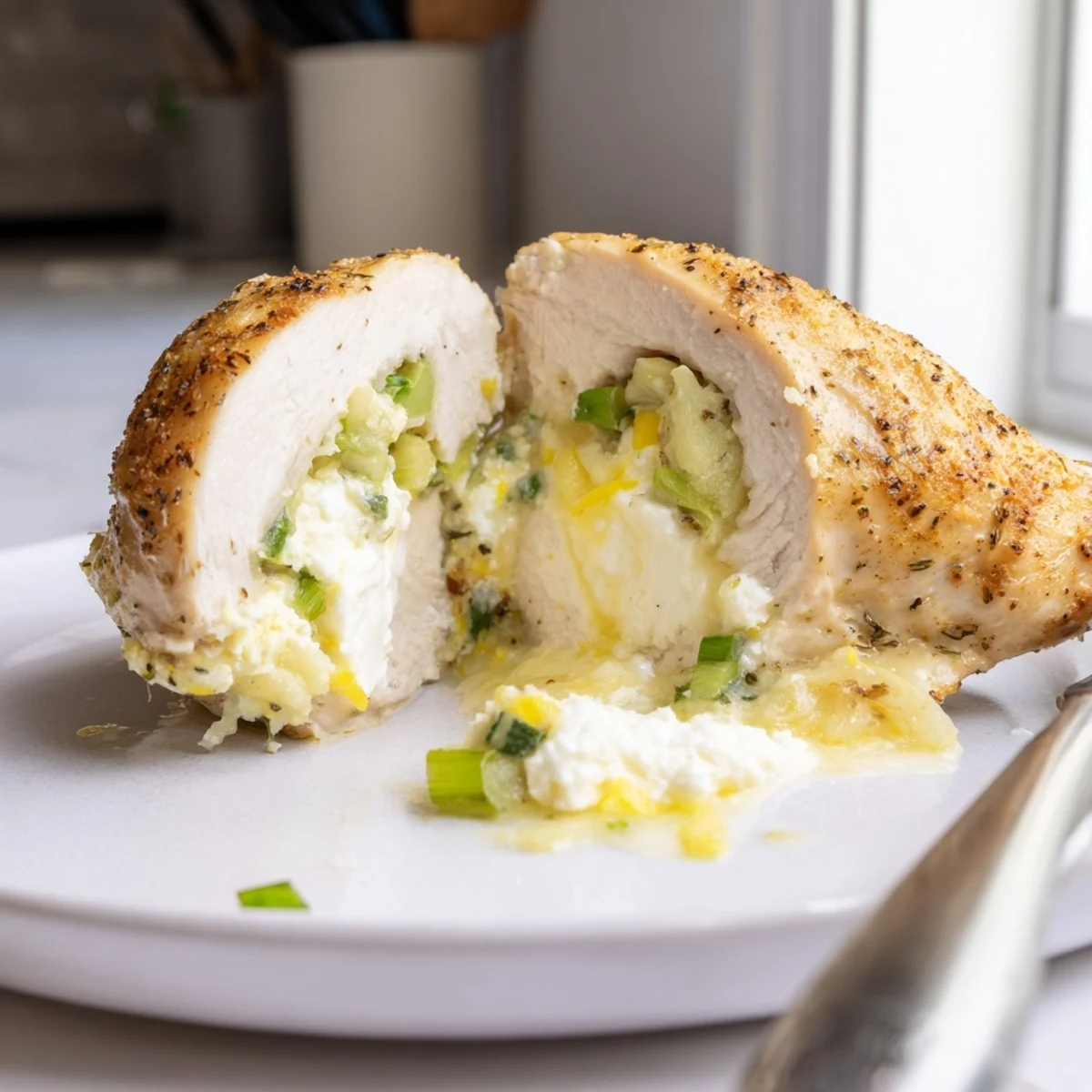
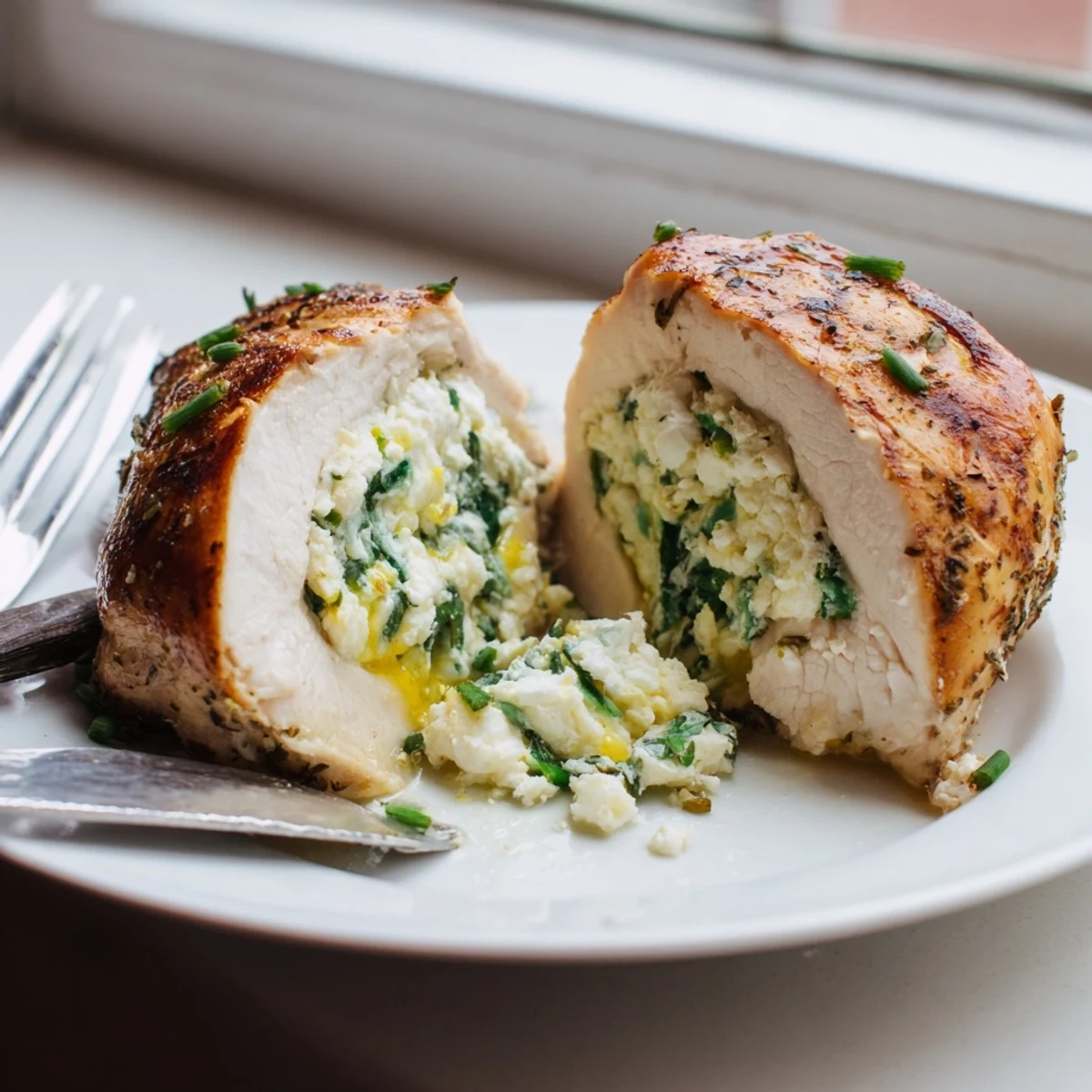
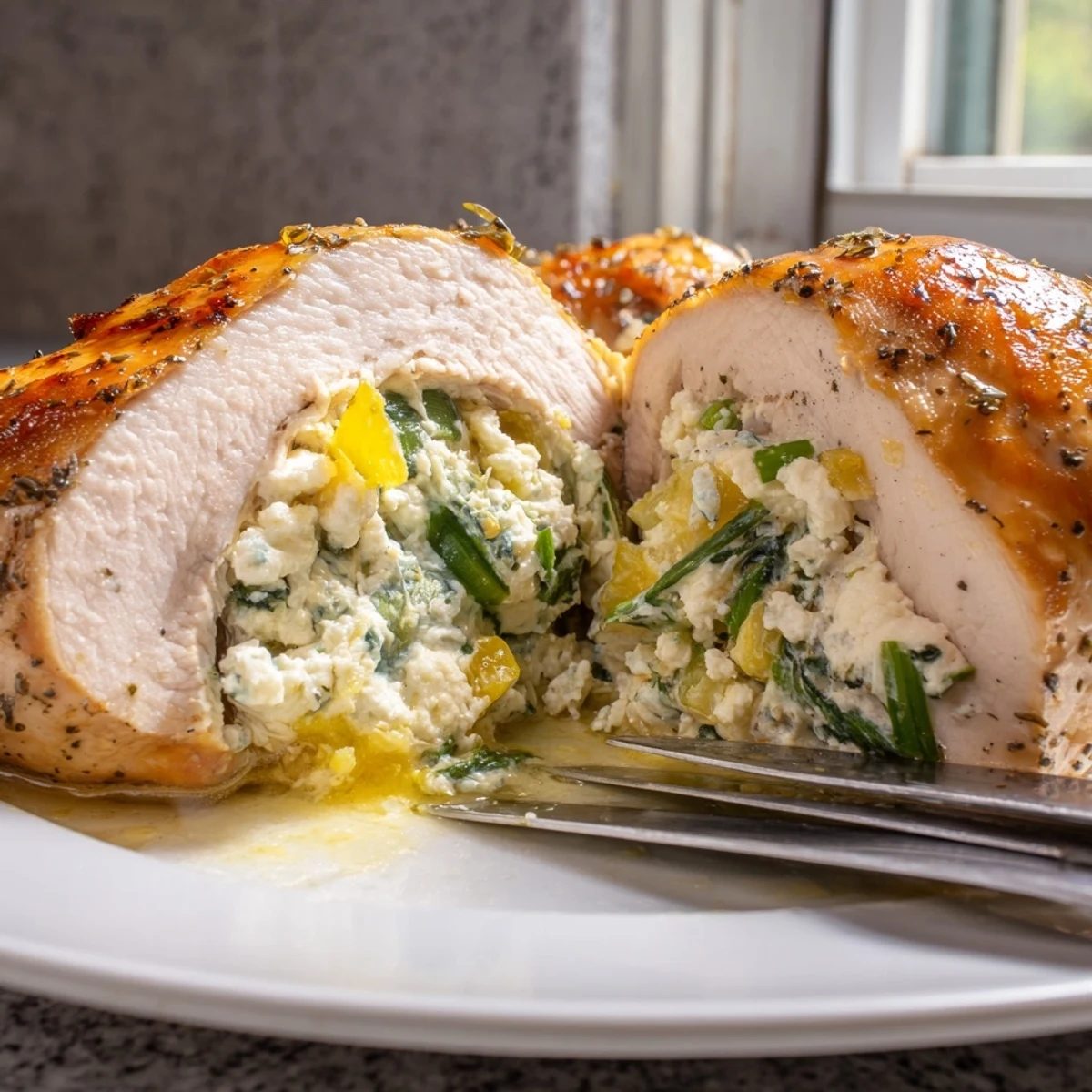
 This elegant main course features juicy chicken breasts stuffed with a creamy blend of goat cheese, fresh basil, chives, garlic and lemon zest.
Each breast is carefully pocketed, filled with the herbed cheese mixture, then seared in a hot skillet until golden before finishing in the oven.
The result is tender, flavorful chicken with a molten, savory center that's naturally gluten-free and low in carbs.
The sizzle of chicken hitting a hot skillet on a rainy Tuesday evening is one of those sounds that instantly makes a kitchen feel alive. I had a log of goat cheese sitting in the fridge, half forgotten, and four chicken breasts that needed a purpose. Something about slicing open a pocket and tucking that tangy, creamy filling inside felt like a small act of rebellion against an otherwise boring weeknight. Forty five minutes later I was sitting at the table wondering why I did not make twice as much.
My neighbor Claudia stopped by unannounced one evening right as I was pulling the skillet from the oven. She leaned over the counter, inhaled deeply, and said whatever that is, I am staying. We ended up eating standing up in the kitchen, tearing into the chicken with our fingers because plates felt too formal. She now asks about this dish every single time I see her.
Ingredients
- 4 boneless, skinless chicken breasts: Try to pick ones that are roughly the same thickness so they cook evenly without drying out.
- 120 g (4 oz) fresh goat cheese: A mild, soft log works best here and blends into the herbs beautifully.
- 2 tbsp cream cheese: This is optional but it adds a silkier texture to the filling that I genuinely recommend.
- 2 tbsp chopped fresh basil or parsley: Basil brings sweetness while parsley keeps it earthy, so choose based on your mood.
- 2 tbsp chopped fresh chives: Their mild onion flavor quietly lifts the entire filling without overpowering the goat cheese.
- 2 cloves garlic, minced: Fresh garlic matters here because its raw bite softens into something gentle during baking.
- 1 small lemon, zest only: Just the bright yellow outer layer adds a surprising freshness that makes people pause and take another bite.
- Salt and freshly ground black pepper: Season the filling lightly and the outside generously for the best balance.
- 2 tbsp olive oil: Use a decent one for searing because that golden crust carries real flavor.
- 1 tsp dried thyme or herbes de Provence: Either one gives the chicken a warm, herbal perfume that ties everything together.
Instructions
- Warm up the oven:
- Set your oven to 200 degrees Celsius (400 degrees Fahrenheit) and let it come fully to temperature while you prepare the filling. A properly heated oven ensures the chicken cooks through without drying out.
- Build the filling:
- In a small bowl, combine the goat cheese, cream cheese if using, basil, chives, garlic, and lemon zest with a light pinch of salt and pepper. Mash everything together with a fork until it looks uniform and spreadable, tasting a tiny bit to check the seasoning.
- Create the pockets:
- Take a sharp knife and cut a deep pocket into the side of each chicken breast, stopping about a centimeter before the edge so it stays intact. Go slowly here because an even pocket means the filling stays tucked inside during cooking.
- Stuff generously:
- Spoon the cheese mixture into each pocket, filling them as full as you comfortably can without tearing the meat. If the opening wants to gape open, press a toothpick or two across the slit to hold everything together.
- Season the outside:
- Sprinkle salt, pepper, and dried thyme or herbes de Provence over both sides of each breast, patting it gently so the herbs adhere to the surface. This outer seasoning creates the savory crust that contrasts with the creamy center.
- Sear to golden:
- Heat olive oil in a large ovenproof skillet over medium high heat until it shimmers, then lay the chicken in carefully and let it cook undisturbed for 2 to 3 minutes per side until a deep golden crust forms. The sear locks in moisture and builds a layer of flavor the oven cannot achieve alone.
- Finish in the oven:
- Transfer the entire skillet into the hot oven and bake for 20 to 25 minutes until the chicken is cooked through and the juices run clear when you cut into the thickest part. The filling should be bubbling slightly at the edges when it is ready.
- Rest and serve:
- Pull the skillet out and let the chicken rest for about 5 minutes before removing any toothpicks and serving. Resting lets the juices redistribute so every bite stays moist and the cheese does not spill out when you slice.
 Pin It
 I once made this for a small dinner party where the conversation had been polite but distant all evening. When I set the plated chicken on the table, the goat cheese oozing gently from each sliced breast, the whole room shifted. People leaned in, started passing plates, and the silence turned into genuine laughter and warmth.
What to Serve Alongside
Roasted vegetables are the easiest companion here because you can toss them on a sheet pan with olive oil and salt, then slide them into the oven alongside the chicken. A simple green salad with a sharp vinaigrette cuts through the richness of the goat cheese perfectly. If you want something heartier, roasted baby potatoes with rosemary complement the herbs in the filling without competing for attention.
Wine Pairing Thoughts
A crisp Sauvignon Blanc is my first choice because its grassy acidity plays beautifully with the tangy goat cheese and lemon zest. Chardonnay works too, especially one that is unoaked and clean, letting the chicken be the star rather than overwhelming it. I have also enjoyed this with a chilled glass of dry rose on warm evenings when nothing heavy sounds right.
Making It Your Own
The filling is endlessly adaptable once you nail the basic technique, so think of this recipe as a starting point rather than a rulebook. Some of my favorite variations came from simply opening the fridge and using whatever needed to be eaten.
- Chopped sun-dried tomatoes folded into the cheese mixture add a concentrated sweetness that surprises people in the best way.
- A handful of wilted spinach turns the filling slightly green and adds a vegetable element without any extra dishes.
- Always taste the filling before stuffing because the salt level of goat cheese varies wildly between brands and batches.
 Pin It
 This is the kind of recipe that reminds me why cooking at home matters. It takes almost no special skill, uses everyday ingredients, and still manages to make people feel genuinely cared for at the dinner table.
Recipe FAQs
- → How do I cut a pocket in chicken breasts for stuffing?
-
Place a chicken breast flat on a cutting board. Using a sharp knife, slice horizontally into the thickest side, cutting about three-quarters through. Be careful not to cut all the way to the other edge, creating a pocket that can hold the filling.
- → Can I prepare the stuffed chicken ahead of time?
-
Yes, you can stuff the chicken breasts and refrigerate them covered for up to 24 hours before cooking. This makes it convenient for entertaining, as you simply need to sear and bake when ready to serve.
- → What can I substitute for goat cheese?
-
Ricotta, feta, or Boursin work well as alternatives. Ricotta offers a milder flavor, while feta adds a saltier, tangier note. Adjust seasoning accordingly, as feta is naturally saltier than goat cheese.
- → How do I know when the chicken is fully cooked?
-
The most reliable method is using a meat thermometer. The internal temperature should reach 74°C (165°F) at the thickest part. Alternatively, pierce the chicken and the juices should run completely clear with no pink.
- → What side dishes pair well with this dish?
-
Roasted vegetables like asparagus, Brussels sprouts, or cherry tomatoes complement it beautifully. A simple green salad with vinaigrette, garlic mashed potatoes, or cauliflower rice also work wonderfully alongside this elegant main course.
- → Can I freeze leftover stuffed chicken?
-
Cooked stuffed chicken can be frozen for up to 3 months in an airtight container. Thaw overnight in the refrigerator and reheat in a 180°C (350°F) oven until warmed through. The cheese filling may have a slightly different texture after freezing.