
 Pin It
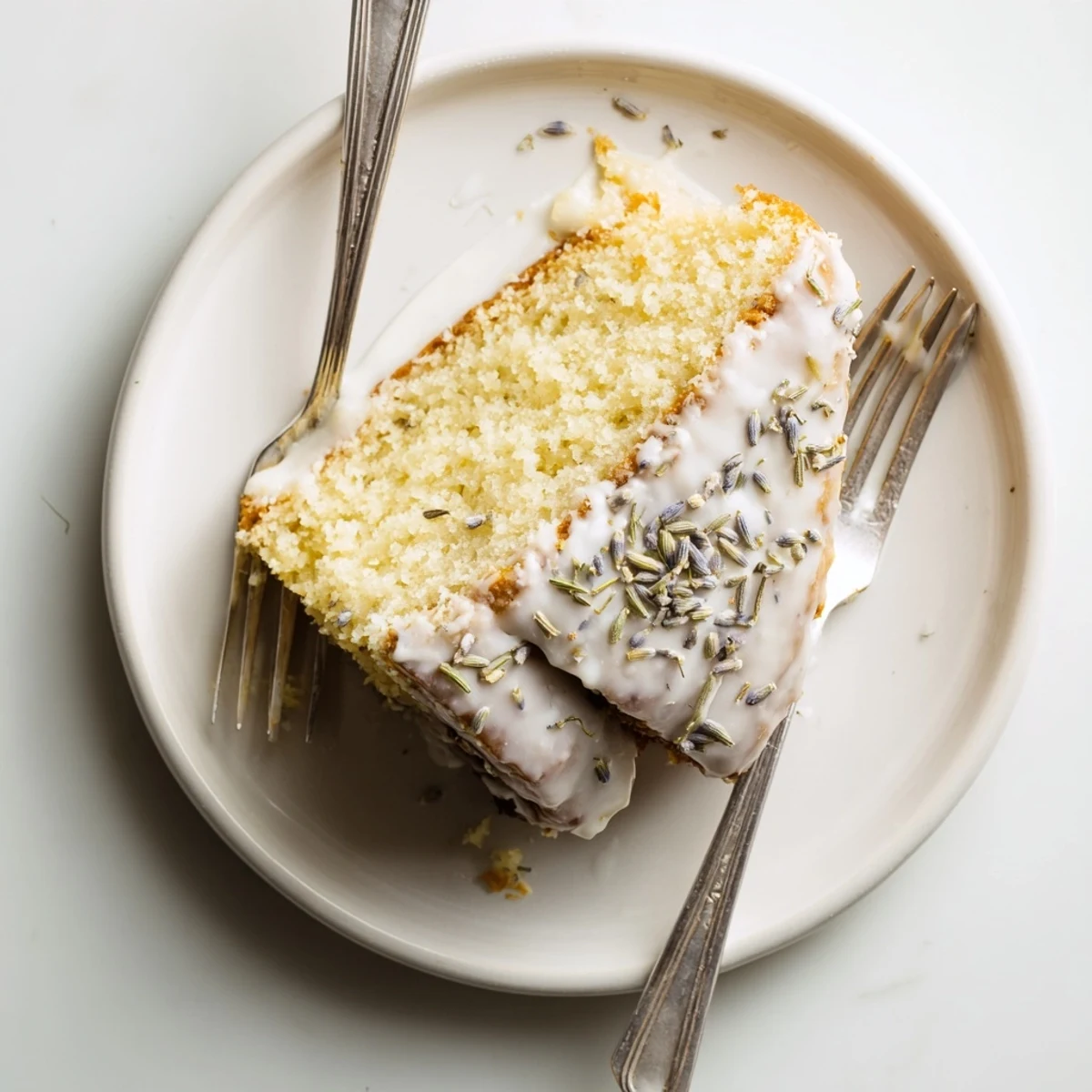
 This lemon lavender cake brings together bright citrus and delicate floral flavors in a tender, moist crumb. The infusion of culinary lavender throughout the batter creates a sophisticated aromatic profile, while fresh lemon juice and zest provide a refreshing tang. A simple lemon glaze tops the finished cake, adding an extra layer of sweetness and citrus shine. The entire process takes just under an hour, making it an achievable treat for bakers of all skill levels. Serve alongside Earl Grey or chamomile tea to complement the floral notes, or enjoy on its own as a light spring dessert.
Last spring, my neighbor Sarah brought over a bundle of dried lavender from her garden. I tucked it away in the pantry without a real plan until a rainy Sunday afternoon had me craving something bright and comforting. The whole house filled with this incredible perfume as it baked, and I knew this was going to be special.
I made this cake again for my book club meeting, and everyone kept asking what that mysterious floral note was. Watching people take that first bite, eyes widening with pleasant surprise, has become my favorite part of sharing this recipe. Something about lemon and lavender just makes people slow down and savor.
Ingredients
- 2 cups all-purpose flour: The foundation that gives this cake its tender structure
- 1 ½ teaspoons baking powder: Helps the cake rise into that beautiful golden dome
- ½ teaspoon baking soda: Works with the acidic lemon juice for perfect lift
- ¼ teaspoon salt: Enhances all the delicate flavors
- 1 tablespoon dried culinary lavender: Finely chopped, this is the star that makes it magical
- 1 cup granulated sugar: Sweetens while letting the floral notes shine
- Zest of 2 lemons: Freshly zested, this brings bright citrus oil to every bite
- ½ cup unsalted butter: Softened to room temperature for easy creaming
- 2 large eggs: Room temperature eggs incorporate better into the batter
- 1 teaspoon vanilla extract: A warm base that ties everything together
- ¾ cup whole milk: Creates a moist and tender crumb
- ⅓ cup fresh lemon juice: Adds tang and reacts with the baking soda
- 1 cup powdered sugar: For the dreamy glaze on top
- 2–3 tablespoons fresh lemon juice: Thins the glaze to just the right consistency
- ½ teaspoon dried culinary lavender: Optional garnish that looks absolutely stunning
Instructions
- Preheat your oven:
- Get it to 350°F and generously grease a 9-inch round pan with butter, dusting it with flour afterward
- Whisk the dry mixture:
- In a medium bowl, combine flour, baking powder, baking soda, salt, and chopped lavender until everything is evenly distributed
- Infuse the sugar:
- Rub the lemon zest into the sugar with your fingertips until it becomes fragrant and takes on a pale yellow tint
- Cream the butter:
- Beat the butter into the sugar mixture for about 3 minutes until it looks fluffy and pale
- Add the eggs:
- Beat them in one at a time, letting each fully incorporate before adding the next, then stir in the vanilla
- Combine everything:
- Alternate adding dry ingredients and milk to the butter mixture, starting and ending with the dry ingredients, then fold in the lemon juice gently
- Bake to golden:
- Pour the smooth batter into your prepared pan, smooth the top, and bake for 30 to 35 minutes until a toothpick comes out clean
- Cool completely:
- Let it rest in the pan for 10 minutes before turning it out onto a wire rack to cool all the way through
- Make the glaze:
- Whisk powdered sugar with just enough lemon juice until it reaches a thick but pourable consistency
- Finish beautifully:
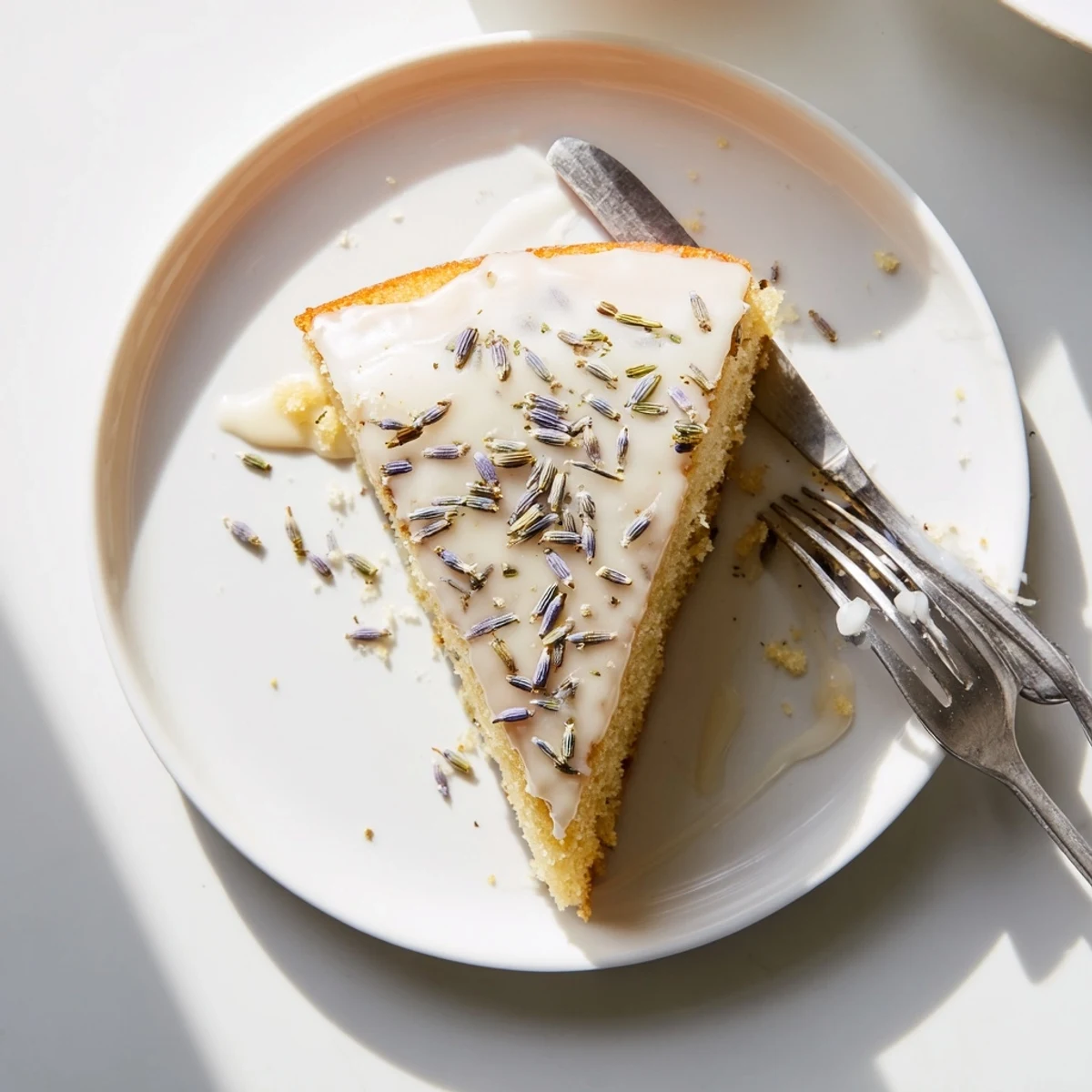
- Drizzle the glaze over the cooled cake and sprinkle with that extra lavender if you want it to look absolutely stunning
 Pin It
 This cake has become my go-to for birthdays now. There is something about serving a slice that looks so elegant and tastes so unique that makes people feel celebrated and special.
Getting The Lavender Right
I learned that crushing the lavender buds with a mortar and pestle right before adding them releases way more flavor. Just do not go too fine or you will end up with gritty texture in your otherwise perfect crumb.
The Secret To Perfect Lemon Flavor
Rubbing that zest into the sugar is not just a fancy step, it is essential. The sugar crystals actually scrape the oils from the zest, distributing lemon flavor evenly throughout every single bite instead of having concentrated pockets.
Making It Your Own
Serve this with a cup of Earl Grey or chamomile tea to really lean into the floral vibes. The tea brings out those subtle notes even more.
- Try adding poppy seeds for a fun texture contrast
- Swap the lemon glaze for a cream cheese frosting if you want something richer
- Bake this as cupcakes for about 18 to 20 minutes instead
 Pin It
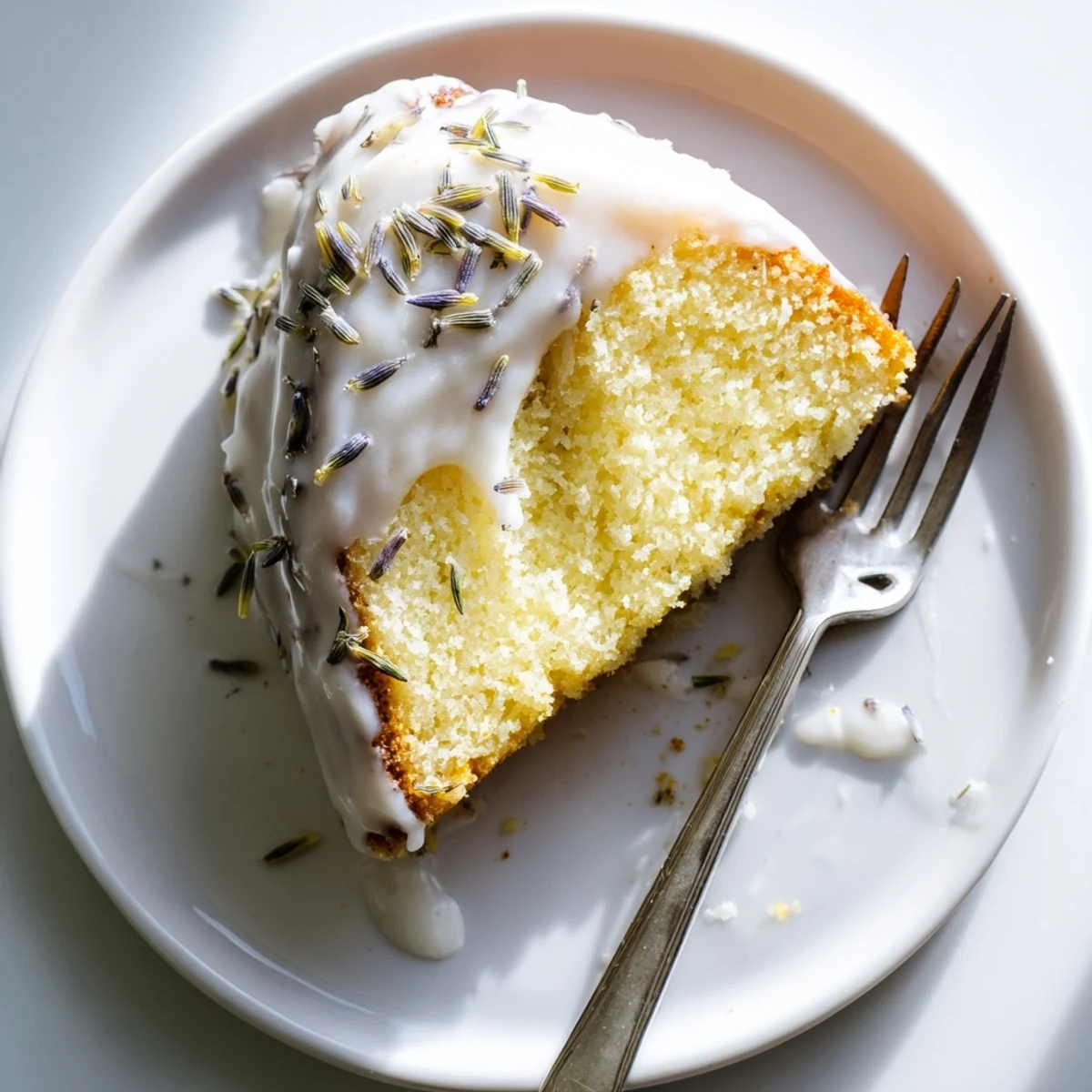
 Every slice of this cake feels like a little moment of peace. Hope it brings some floral joy to your kitchen too.
Recipe FAQs
- → Can I use fresh lavender instead of dried?
-
Fresh lavender can be used, but it has a higher moisture content. Use three times the amount of fresh lavender compared to dried, and ensure it's thoroughly cleaned and pesticide-free. The flavor may be milder than dried culinary lavender.
- → How should I store the cake?
-
Store the cake in an airtight container at room temperature for up to 3 days. If you've added the glaze, refrigerate after 24 hours and bring to room temperature before serving. The cake also freezes well for up to 3 months without glaze.
- → What type of lavender is safe to use?
-
Only use culinary-grade lavender specifically labeled for food use. English lavender varieties like Lavandula angustifolia work best. Avoid lavender from craft stores or garden centers unless certified edible, as these may contain pesticides or additives.
- → Can I make this as cupcakes?
-
Yes, fill cupcake liners two-thirds full and bake at 350°F for 18-22 minutes. This yields approximately 18-20 cupcakes. Adjust the glaze accordingly and drizzle over cooled cupcakes or dip the tops.
- → Why do I need to rub the sugar and lemon zest together?
-
This technique releases the essential oils from the lemon zest into the sugar, distributing lemon flavor throughout the entire cake rather than just in pockets. It creates a more consistent and intense citrus taste in every bite.
- → Can I make this dairy-free?
-
Substitute the butter with vegan butter sticks or coconut oil, and replace whole milk with almond, soy, or oat milk. The texture may vary slightly, but the flavor profile remains delicious and the cake stays moist.