
 Pin It
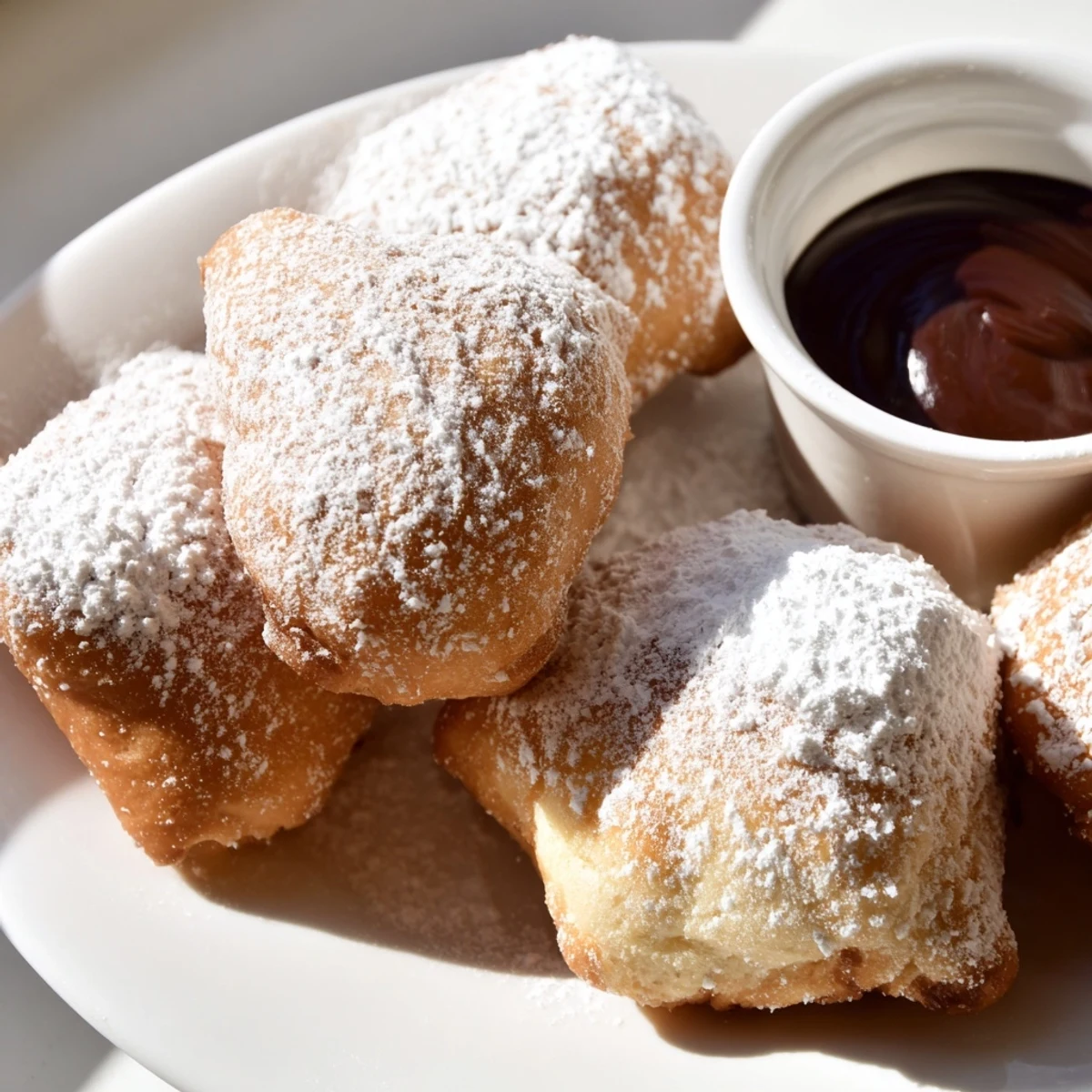
 These Mardi Gras beignets offer a light, airy texture achieved through a yeast dough that rises until doubled. Once fried to golden perfection, they are dusted with powdered sugar for a sweet finish. A warm, velvety chocolate sauce made from semi-sweet chocolate, cream, and vanilla complements each bite, adding richness and balance. Ideal for celebrations, the method involves kneading, rising, frying, and careful preparation of the sauce to enhance the indulgence.
The smell hit me first at Cafe Du Monde that humid March morning, mixing with chicory coffee and street musicians playing nearby. Powdered sugar coated my black shirt like snow on a Mardi Gras morning, and I didnt even care. Something about sinking your teeth into that hot, pillowy crunch feels like pure celebration. I knew I needed to recreate that magic at home.
Last year during Fat Friday, my kitchen became beignet central with neighbors stopping by throughout the day. Theres something wonderfully communal about standing over hot oil, handing warm fried dough to people as they laugh sugar onto your counter. The chocolate sauce was an impulsive addition that turned everyone into instant converts.
Ingredients
- Active dry yeast: Make sure your water is bathwater warm, not hot, or youll kill the yeast before it can work its magic
- Warm water: This temperature wakes up the yeast and starts the fermentation process
- Granulated sugar: Feeds the yeast and adds just enough sweetness to the dough
- Whole milk: Creates a tender crumb and richer flavor than water alone
- Large egg: Adds structure and helps the dough hold together during frying
- Salt: Balances sweetness and enhances all the flavors
- All-purpose flour: The foundation of your dough, with extra for dusting your work surface
- Unsalted butter, melted: Adds richness and creates that signature tender texture
- Vegetable oil: Neutral flavor lets the beignets shine while creating that perfect golden exterior
- Powdered sugar: The essential finishing touch that makes beignets instantly recognizable
- Semi-sweet chocolate: Creates a luxurious dipping sauce that complements the fried dough
- Heavy cream: Makes the chocolate sauce velvety and rich
- Unsalted butter: Adds glossy shine and depth to the chocolate sauce
- Vanilla extract: Rounds out the chocolate flavor beautifully
- Salt: A pinch makes the chocolate taste more intense and balanced
Instructions
- Wake up the yeast:
- Dissolve yeast in warm water with a pinch of sugar, then watch for that beautiful foamy layer that tells you its alive and ready to work.
- Build the base:
- Stir in the remaining sugar, milk, egg, and salt, then add two cups of flour and mix until everything comes together into a shaggy mixture.
- Add richness:
- Pour in the melted butter and gradually incorporate the remaining flour until you have a soft, slightly sticky dough.
- Knead with purpose:
- Turn the dough onto a floured surface and knead for 5 to 7 minutes, feeling it transform from sticky to smooth and elastic under your hands.
- Let it rise:
- Place the dough in a greased bowl, cover it warmly, and find a cozy spot for it to double in size, which takes about an hour.
- Shape the beignets:
- Roll the dough to half an inch thick and cut into 2-inch squares, handling them gently to preserve all those air bubbles.
- Heat the oil:
- Bring 2 inches of vegetable oil to 350 degrees Fahrenheit, using a thermometer to ensure perfect frying conditions.
- Fry to golden:
- Cook the beignets in batches for 1 to 2 minutes per side, watching them puff up dramatically and turn that irresistible golden brown.
- Dust immediately:
- Drain them on paper towels and shower with powdered sugar while they are still warm so it melts slightly into the surface.
- Make the magic sauce:
- Warm the cream and butter, then add chocolate and stir until it transforms into glossy liquid bliss, finishing with vanilla and salt.
- Serve and celebrate:
- Bring everything to the table immediately, letting everyone dip warm beignets into that rich chocolate sauce.
 Pin It
 These became my daughters birthday morning tradition instead of cake, something she looks forward to all year. Theres something about standing at the stove together, dipping fresh beignets into chocolate, that feels like creating memories.
The Oil Temperature Secret
I learned the hard way that oil temperature makes or breaks beignets. Too cold and they absorb oil, too hot and they burn outside while staying raw inside. An instant-read thermometer became my best friend, and now I never fry without one.
Make-Ahead Magic
The dough actually develops more flavor when it rests overnight in the refrigerator. This trick changed everything for me, letting me do all the work the day before and simply roll and fry when guests arrive. The cold dough is also easier to handle and less sticky.
Perfect Presentation Tips
A wire rack over a baking sheet keeps beignets crisp while draining, unlike paper towels which can make them soggy underneath. I also sift the powdered sugar from above for that magical cloud effect.
- Warm the chocolate sauce just before serving for the best consistency
- Have everything ready before you start frying because beignets wait for no one
- Extra powdered sugar on the side lets guests adjust to their taste
 Pin It
 There is nothing quite like the first bite of a warm beignet, chocolate dripping, sugar everywhere, feeling like you have been transported straight to the French Quarter.
Recipe FAQs
- → What type of flour works best for beignets?
-
All-purpose flour provides the ideal balance for these beignets, creating a tender yet sturdy dough that fries well.
- → How can I tell when the dough has risen enough?
-
The dough should double in size and appear bubbly and soft to the touch, indicating it's ready for shaping and frying.
- → What is the best oil for frying beignets?
-
Vegetable oil with a high smoke point is recommended to achieve a crisp, golden exterior without burning.
- → How is the chocolate sauce prepared?
-
Gently warm cream and butter, then stir in chopped semi-sweet chocolate until smooth before adding vanilla and a pinch of salt for depth.
- → Can the dough be prepared ahead of time?
-
Yes, preparing the dough the night before and allowing it to rise slowly in the refrigerator enhances flavor and ease of preparation.