 Pin It
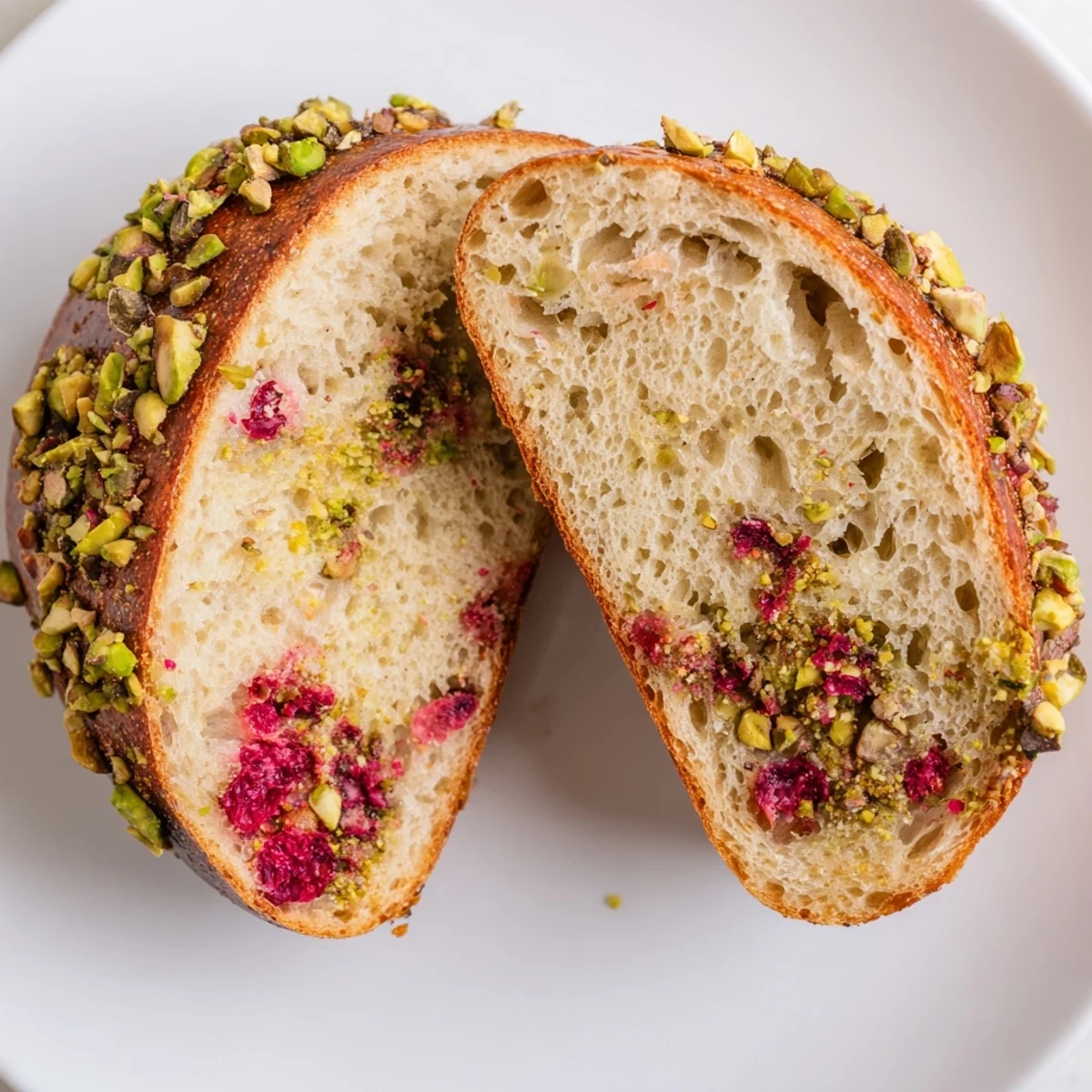
 These naturally leavened bagels combine the tangy complexity of sourdough with sweet-tart raspberries and buttery pistachios. The overnight fermentation develops deep flavor while creating that signature chewy texture bagel lovers crave. Each batch yields eight golden rounds, ideal for slathering with cream cheese, spreading with ricotta, or enjoying plain with a drizzle of honey.
My kitchen counter became a science experiment the day I decided bagels needed more personality than just plain or sesame. The sourdough starter had been bubbling away on the counter for days, and a half-empty bag of pistachios from a failed tart attempt was staring back at me. Those raspberries in the freezer from summer picking seemed like they might add the right kind of chaos. Sometimes the best recipes come from cleaning out the pantry and trusting your gut.
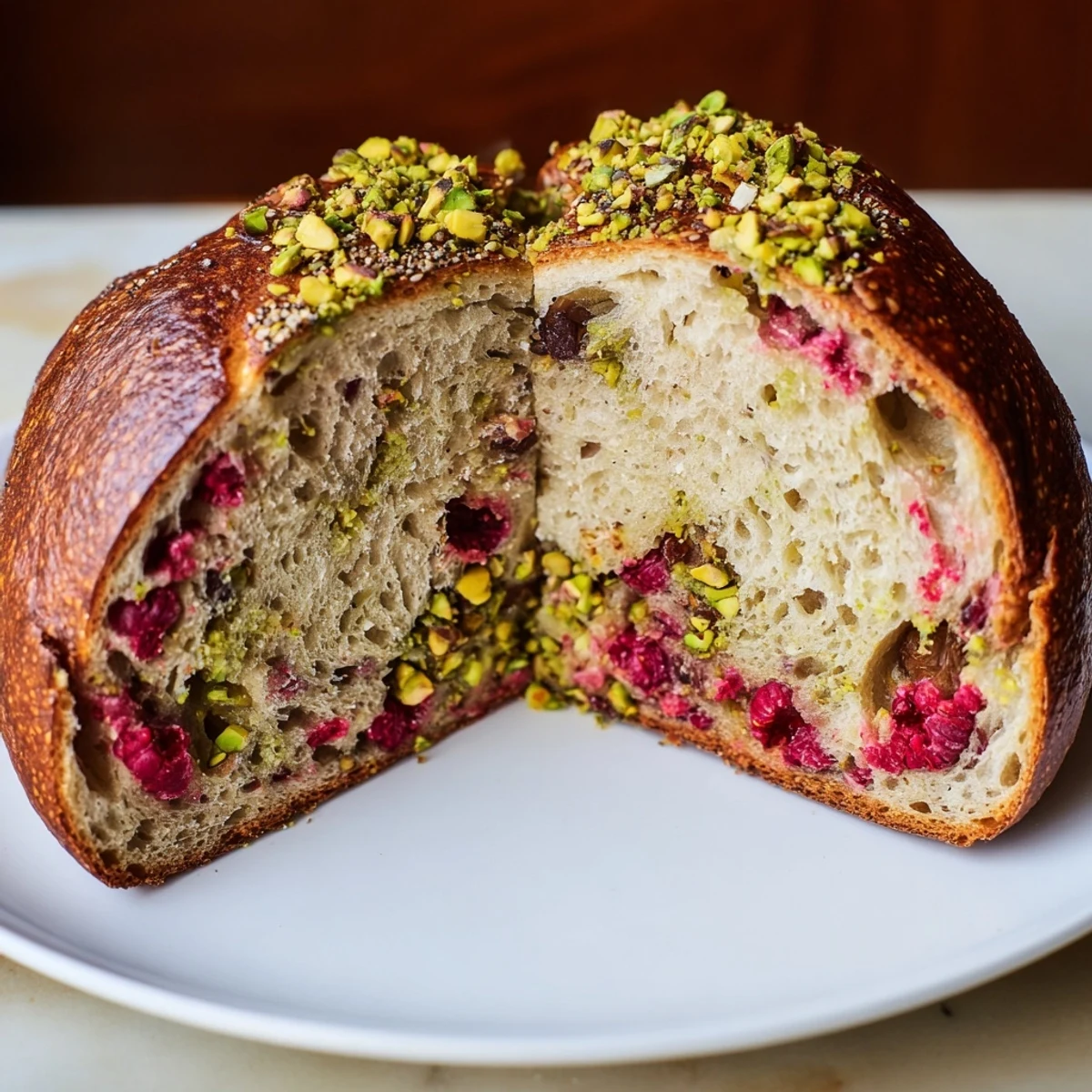
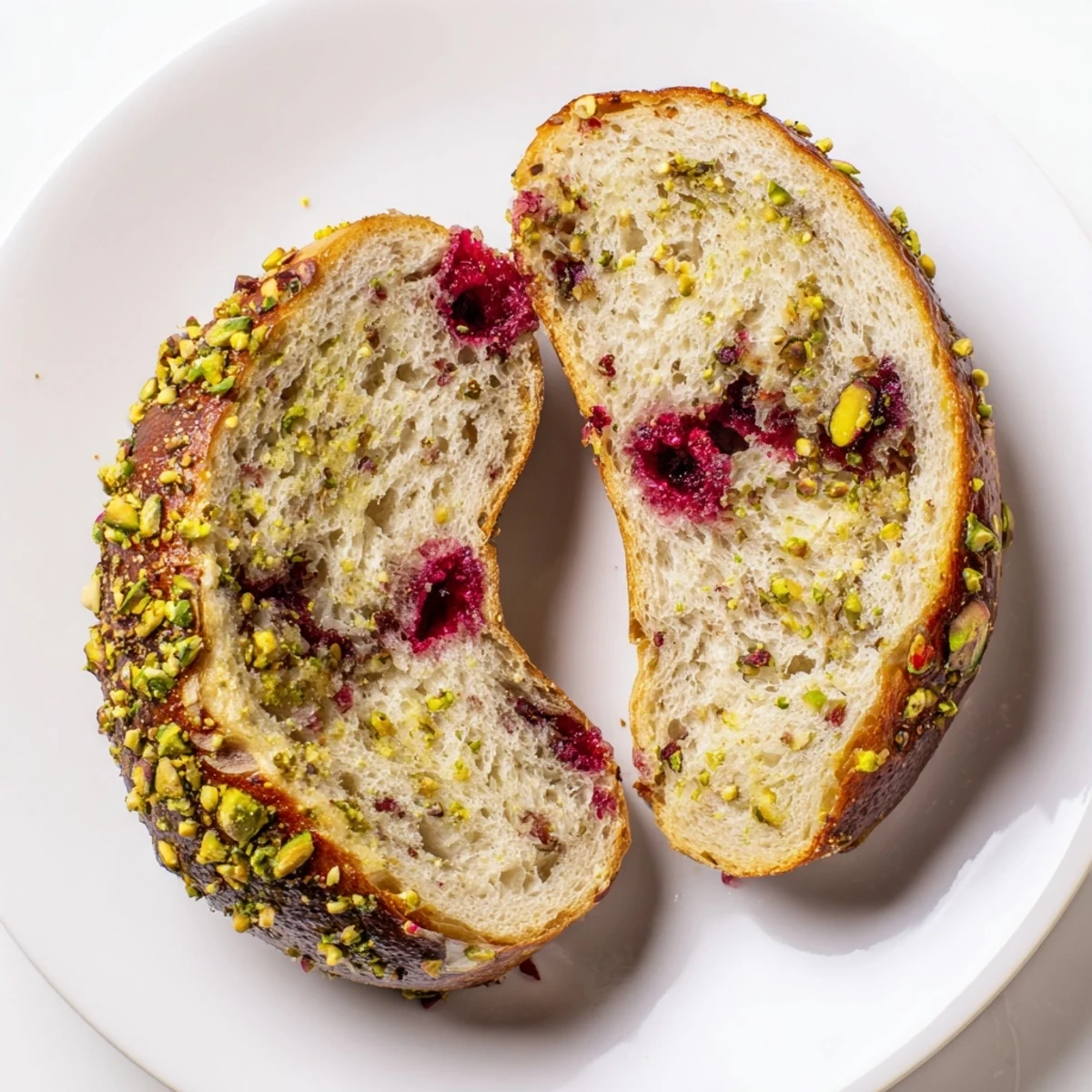
The first time I pulled these from the oven, the raspberry streaks had turned the most gorgeous pink throughout the crumb. My roommate walked in, sniffed the air, and immediately asked what bakery I had visited. When I told her they were sourdough, she looked at me like I had confessed to a minor crime. Now they are her weekend request whenever she visits.
Ingredients
- Active Sourdough Starter: This is what gives the bagels their distinctive tang and chewy texture. Feed yours the night before so it is at peak bubbly activity.
- Bread Flour: The higher protein content creates that satisfying bagel bite. Do not substitute with all purpose or you will miss the chew.
- Warm Water: Use water that feels comfortable to touch, around 80°F. Too hot and you will shock your starter, too cold and fermentation will crawl.
- Salt: Essential for flavor and strengthening gluten. Use a fine sea salt so it distributes evenly.
- Granulated Sugar: A touch helps feed the starter and encourages browning in the oven. You will not taste sweetness, just balance.
- Raspberries: Frozen berries work better here because they hold their shape during mixing and bleed less color into the dough.
- Pistachios: Roughly chop them so you get satisfying crunch in every bite. Unsalted lets you control the seasoning.
- Baking Soda: This creates an alkaline bath that mimics traditional lye water, giving bagels their signature shiny crust.
- Barley Malt Syrup: The secret ingredient for authentic bagel flavor. Honey works in a pinch, but malt syrup adds that distinctive depth.
Instructions
- Mix the dough base:
- Dissolve your bubbly starter in warm water until fully incorporated, then stir in the flours, salt, and sugar until everything comes together in a shaggy, sticky mass.
- Develop the gluten:
- Knead the dough until it feels smooth and bounces back when pressed, about 10 minutes by hand or 7 in a stand mixer.
- Add the mix-ins:
- Gently fold in the raspberries and pistachios just until distributed, being careful not to overwork the dough or you will end up with pink streaks everywhere.
- Let it rise:
- Cover the bowl and let the dough ferment at room temperature for 8 to 10 hours, or overnight, until it has visibly doubled.
- Shape the bagels:
- Divide the dough into 8 equal pieces, roll each into a tight ball, then poke a hole through the center with a floured finger and gently stretch into a bagel shape.
- Proof the shapes:
- Place the bagels on a parchment-lined sheet, cover loosely, and let them proof for 1 to 2 hours until they look slightly puffy.
- Prep the poaching liquid:
- Bring your water to a boil with baking soda and malt syrup dissolved in it while the oven heats to 425°F.
- Give them a bath:
- Carefully drop the bagels into the boiling water and poach for 1 minute per side, then lift them out with a slotted spoon back onto the parchment.
- Bake to golden:
- Sprinkle with extra pistachios or freeze-dried raspberry if you want, then bake for 22 to 25 minutes until deeply golden.
 Pin It
 I learned the hard way that room temperature matters. One winter morning, my dough refused to rise properly, and I ended up with dense, hockey puck bagels that even generous amounts of cream cheese could not save. Now I check that my kitchen is at least 70°F before starting, or I find the warmest corner of the house for the fermenting dough.
Getting The Texture Right
The perfect bagel has a tight crumb with those signature air pockets near the crust. Underkneading and you will get bread masquerading as bagels. Overkneading and they become tough. The windowpane test works here, stretch a small piece of dough, it should thin enough to see light through without tearing.
Flavor Variations To Try
Once you master this base, the combinations are endless. Blueberry and walnut, dried cherry and pecan, or even savory versions with rosemary and black pepper. The technique remains the same, just swap in equal weights of your favorite add-ins.
Storage And Serving Suggestions
These bagels are best eaten the day they are baked, ideally still warm from the oven with salted butter melting into every nook. If you need to store them, slice first then freeze in airtight bags for up to a month. They toast beautifully straight from frozen.
- Let them cool completely before slicing to prevent gummy interiors
- Store cut side down on a cutting board if eating within 24 hours
- Revive day old bagels by sprinkling with water and reheating at 350°F for 10 minutes
 Pin It
 There is something deeply satisfying about pulling homemade bagels from the oven, steam rising off their glossy crusts. These have become my go-to for weekend brunch, always disappearing before the coffee pot runs empty.
Recipe FAQs
- → Why use sourdough starter instead of commercial yeast?
-
Sourdough starter provides natural fermentation, developing complex flavors and creating the characteristic chewy texture that sets these bagels apart from commercially yeasted versions.
- → Can I use fresh raspberries instead of frozen?
-
Fresh raspberries work beautifully, though frozen berries are easier to incorporate without damaging their structure. Both options deliver delicious flavor throughout the dough.
- → What does barley malt syrup do in the poaching liquid?
-
Barley malt syrup adds subtle sweetness and helps achieve that glossy, professional-looking crust. Honey makes an excellent substitute if malt syrup isn't available.
- → How do I know when the dough has properly fermented?
-
Look for the dough to double in size and become puffy with visible air bubbles. The surface should appear smooth and slightly domed, indicating active fermentation.
- → Can I freeze these for later?
-
Absolutely. Once completely cooled, slice and store in freezer bags for up to one month. Toast directly from frozen for the best results.