
 Pin It
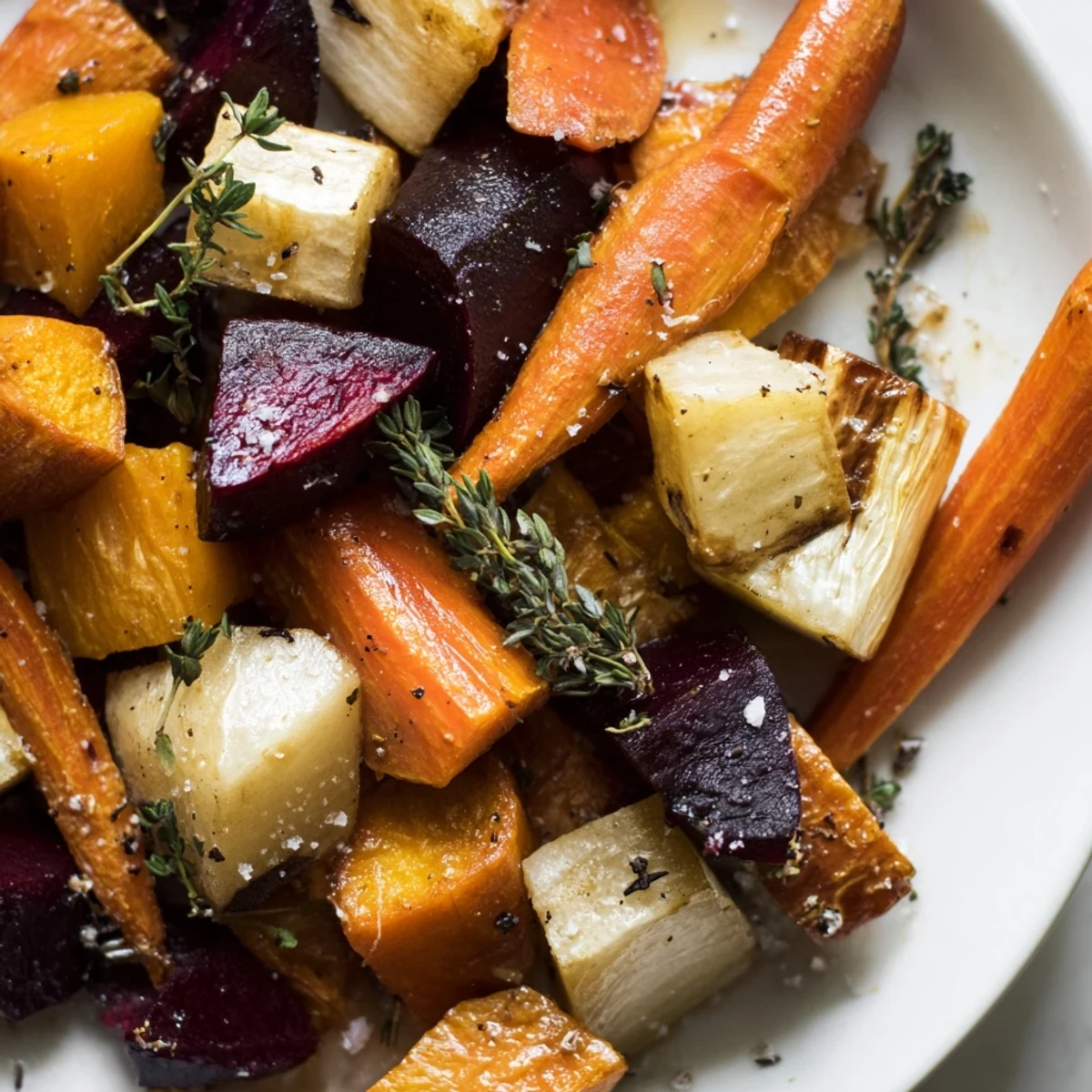
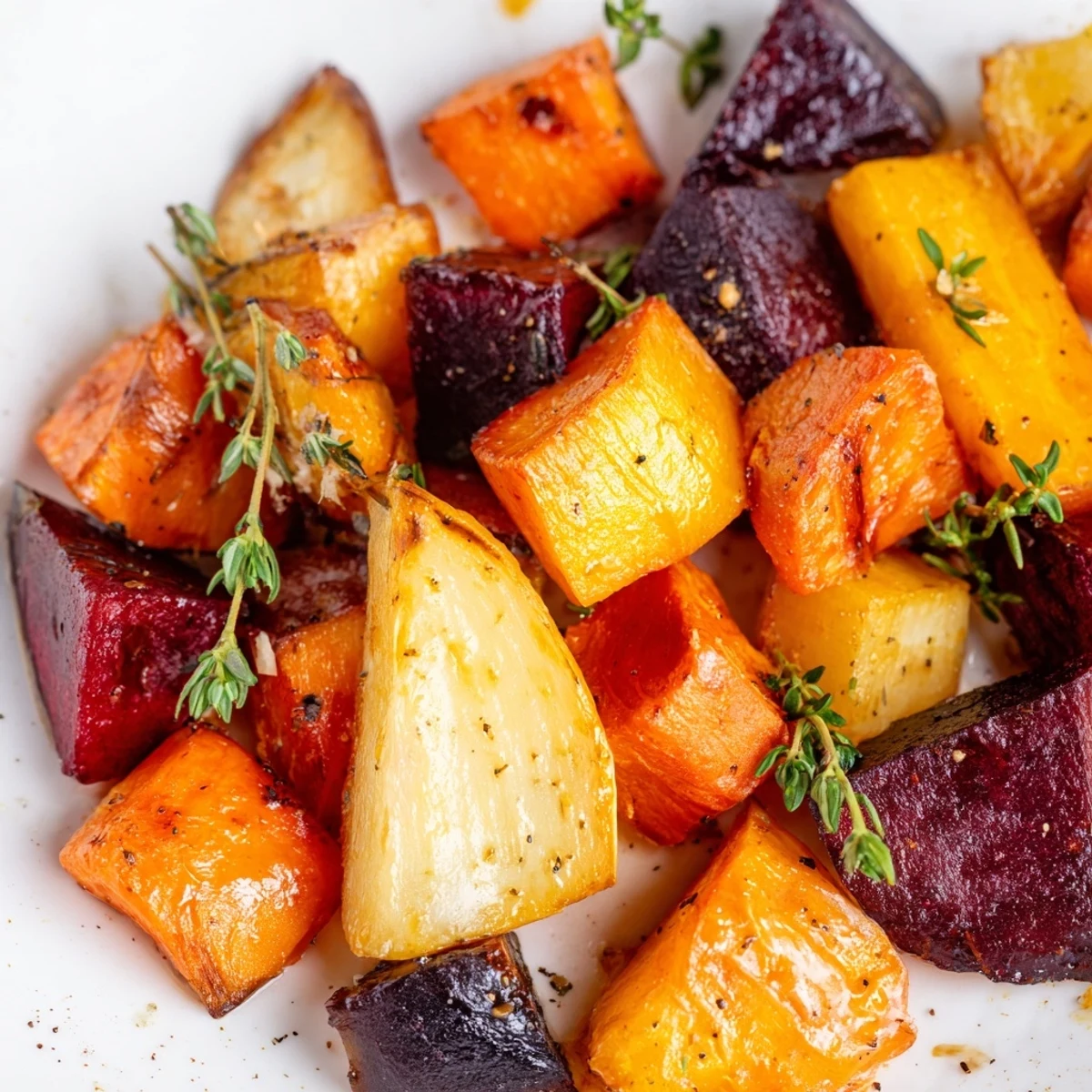
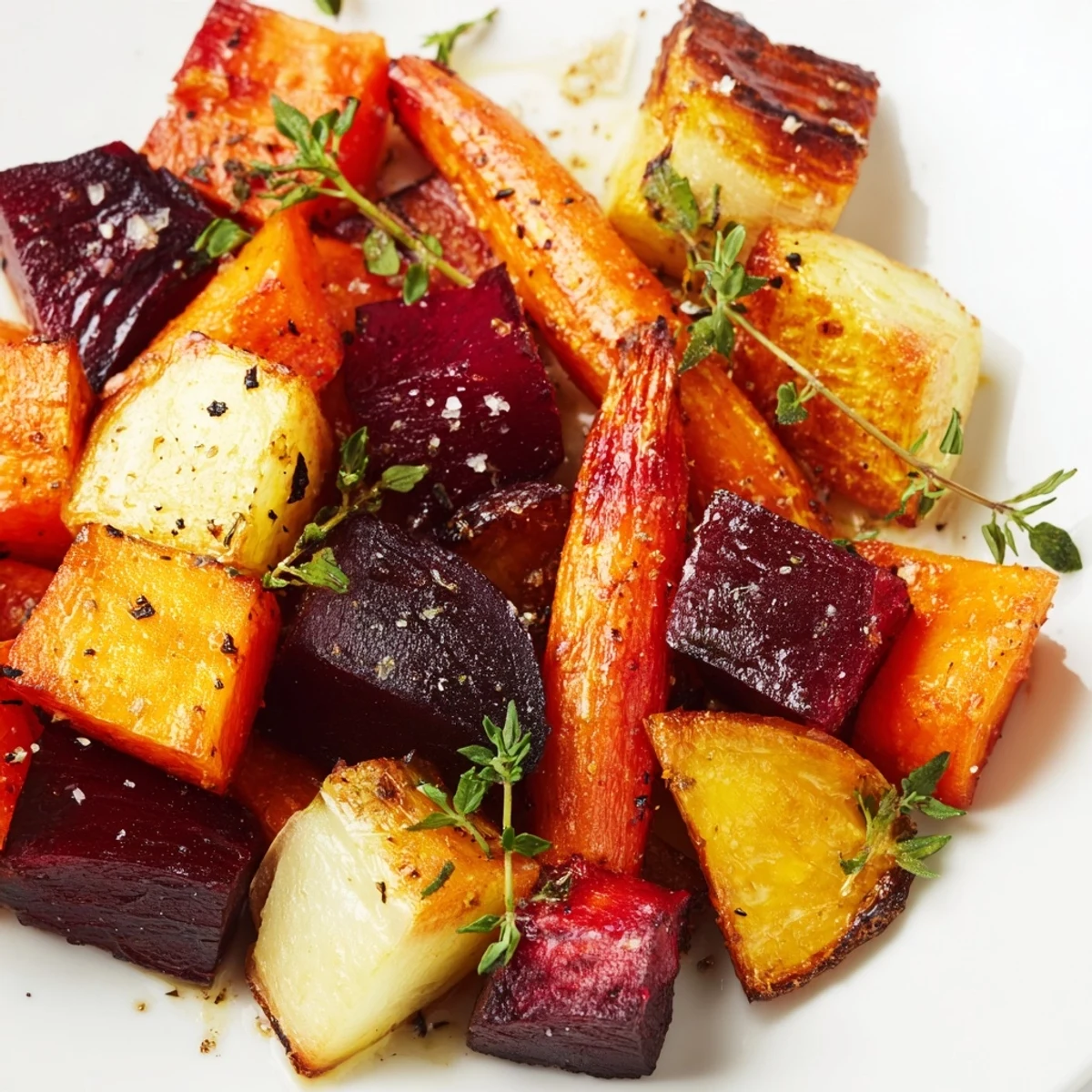
 This dish features a colorful blend of root vegetables like carrots, parsnips, beets, and sweet potato gently coated in olive oil, fresh thyme, garlic, sea salt, and pepper. Roasting at a high temperature brings out their natural sweetness and develops a tender, golden crust. Perfect as a hearty, flavorful side that complements a variety of main courses.
There's something magical about the moment root vegetables hit a hot oven—the kitchen fills with this earthy sweetness that makes you pause whatever you're doing. I discovered this particular combination by accident one autumn evening when I had a slightly overstuffed produce drawer and a craving for something simple. The thyme was there by chance, a sprig left over from making stock, and it transformed everything into something I've made dozens of times since.
I served this at a dinner where someone had mentioned they were tired of boring vegetables, and watching their face when they tasted these golden, tender roots felt like a small victory. It's become the side dish I reach for when I want to impress without pretending I spent hours cooking.
Ingredients
- Carrots (2 large): The sweetest ones you can find—their natural sugars concentrate during roasting and everything gets a gentle caramel note.
- Parsnips (2): These add an almost nutty earthiness that makes the whole dish taste more sophisticated than it has any right to be.
- Beets (2 medium): They'll bleed a little color into everything and make the pan look like a sunset, plus add an earthy sweetness that balances the brighter vegetables.
- Sweet potato (1 small): Just enough creamy texture to make the medley feel complete without overwhelming the other flavors.
- Olive oil (2 tablespoons): Good quality matters here since it's doing most of the flavor work—it helps everything brown and adds its own richness.
- Fresh thyme (1 tablespoon leaves): Strip the leaves from the stems; dried works fine if fresh isn't around, but use less since it's more concentrated.
- Garlic cloves (3, smashed): Keep them whole and smashed so they infuse the oil without burning, then you can pull them out after if you prefer.
- Sea salt (1 teaspoon): Taste as you go—roasting concentrates flavors, so you might need less than you'd expect.
- Black pepper (½ teaspoon): Freshly ground makes a real difference; it adds a little bite that keeps things interesting.
Instructions
- Get Your Oven Ready:
- Heat to 425°F and line a baking sheet with parchment paper—this is about preventing sticking and making cleanup bearable. The high heat is what creates those caramelized edges.
- Prep and Combine:
- Cut everything into roughly 1-inch chunks so they roast evenly. In a large bowl, combine all your vegetables, then drizzle with olive oil and add the thyme, salt, pepper, and smashed garlic cloves. Toss it all together until every piece is coated, which takes maybe a minute and makes all the difference.
- Spread and Roast:
- Spread the vegetables in a single layer on your baking sheet—don't crowd them or they'll steam instead of roast. After about 20 minutes, give everything a stir with a spatula so the pieces that were on the bottom get their turn on top.
- Check for Doneness:
- They're ready when the edges are golden and a fork slides through the center with gentle pressure, usually around 35 to 40 minutes total. If some pieces look done early, you can pull them out and let the slower ones finish.
- Finish and Serve:
- Remove from the oven and fish out the garlic cloves if you prefer a cleaner presentation, though honestly they're delicious to eat. Serve hot, maybe with a tiny pinch more fresh thyme on top if you're feeling fancy.
 Pin It
 There's a moment during roasting when the smell shifts from raw earth to something toasty and sweet, and that's when you know you're close. That smell has become comfort to me in a way I didn't expect when I first made this by accident.
Why This Recipe Became a Favorite
It sits in that perfect spot between utterly simple and genuinely impressive—there's nothing fancy happening, but the results feel special. The technique is so forgiving that it works whether you're paying close attention or multitasking, which is usually when I'm cooking.
Ways to Make It Your Own
The base vegetable formula works with almost anything in your crisper—turnips, rutabaga, radishes, and celery root all roast beautifully. The thyme-garlic combination is classic, but if you have rosemary or oregano on hand, those create a slightly different but equally delicious mood.
Beyond the Side Dish
I've learned that roasted roots are more versatile than they look—they're perfect warm, excellent at room temperature, and honestly pretty good even cold from the fridge the next day. Toss them into salads, mix them into grain bowls, or just eat them as their own little meal.
- A drizzle of good vinegar (balsamic, apple cider, or red wine) right before serving adds brightness without changing the essence of the dish.
- If you're not vegan, a tiny drizzle of honey or maple syrup before roasting deepens the caramel notes beautifully.
- These keep in the fridge for about four days, so there's no harm in making extra.
 Pin It
 This recipe proves that the best meals often come from working with what you have and not overthinking things. It's become the proof point I offer whenever someone says they find vegetables boring.
Recipe FAQs
- → Which root vegetables work best for roasting?
-
Carrots, parsnips, beets, and sweet potatoes are ideal for roasting due to their natural sweetness and firm texture that softens without becoming mushy.
- → How does thyme enhance the dish?
-
Thyme adds a fragrant, earthy aroma that complements the natural flavors of the root vegetables during roasting.
- → What temperature should the vegetables be roasted at?
-
Roasting at 425°F (220°C) ensures the roots become tender inside while developing a golden, caramelized exterior.
- → Can I add other seasonings or herbs?
-
Yes, herbs like rosemary or spices such as smoked paprika can be added for extra depth, but thyme remains the highlight.
- → How to ensure even roasting?
-
Cut vegetables into uniform chunks and spread them in a single layer on the baking sheet to promote even cooking and browning.