
 Pin It
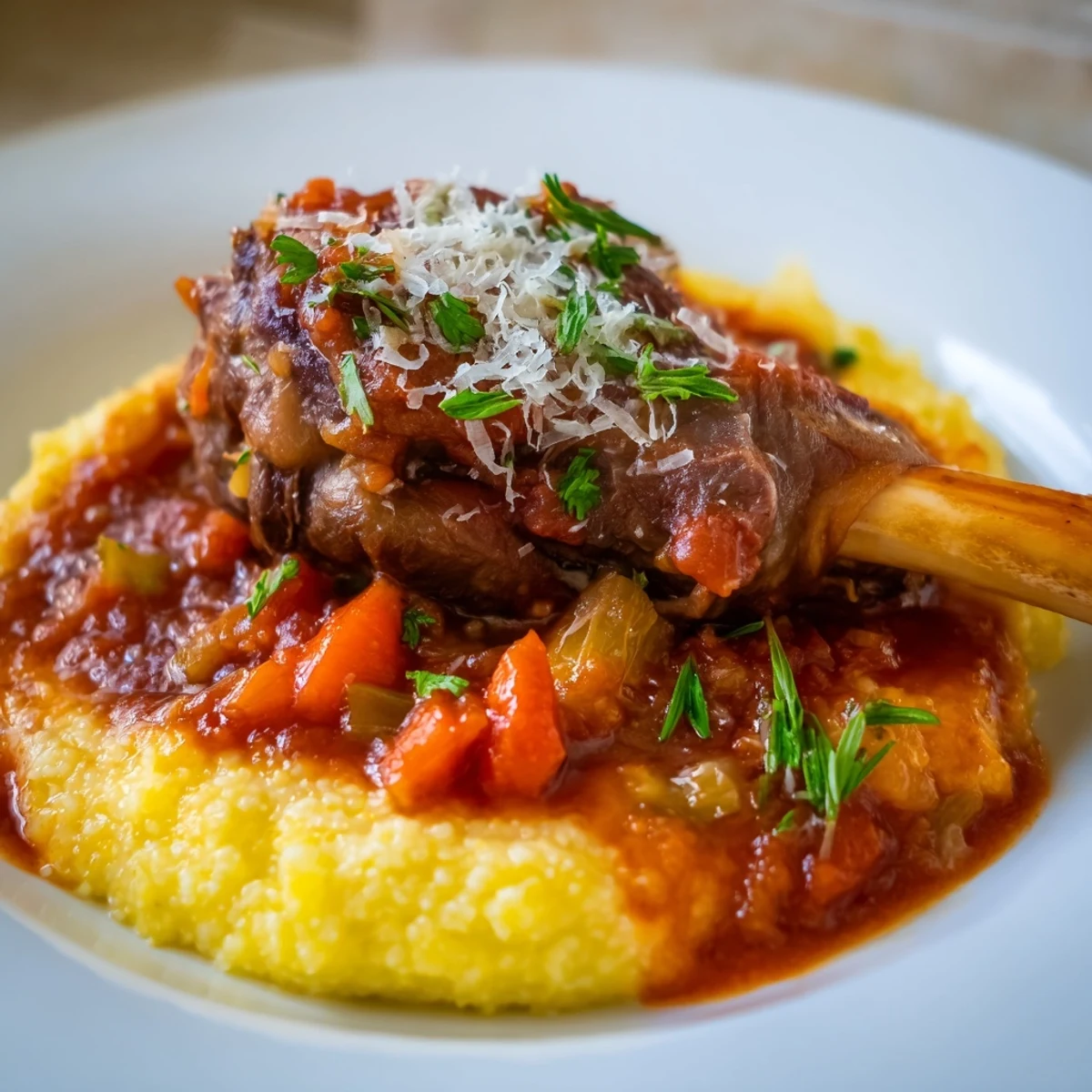
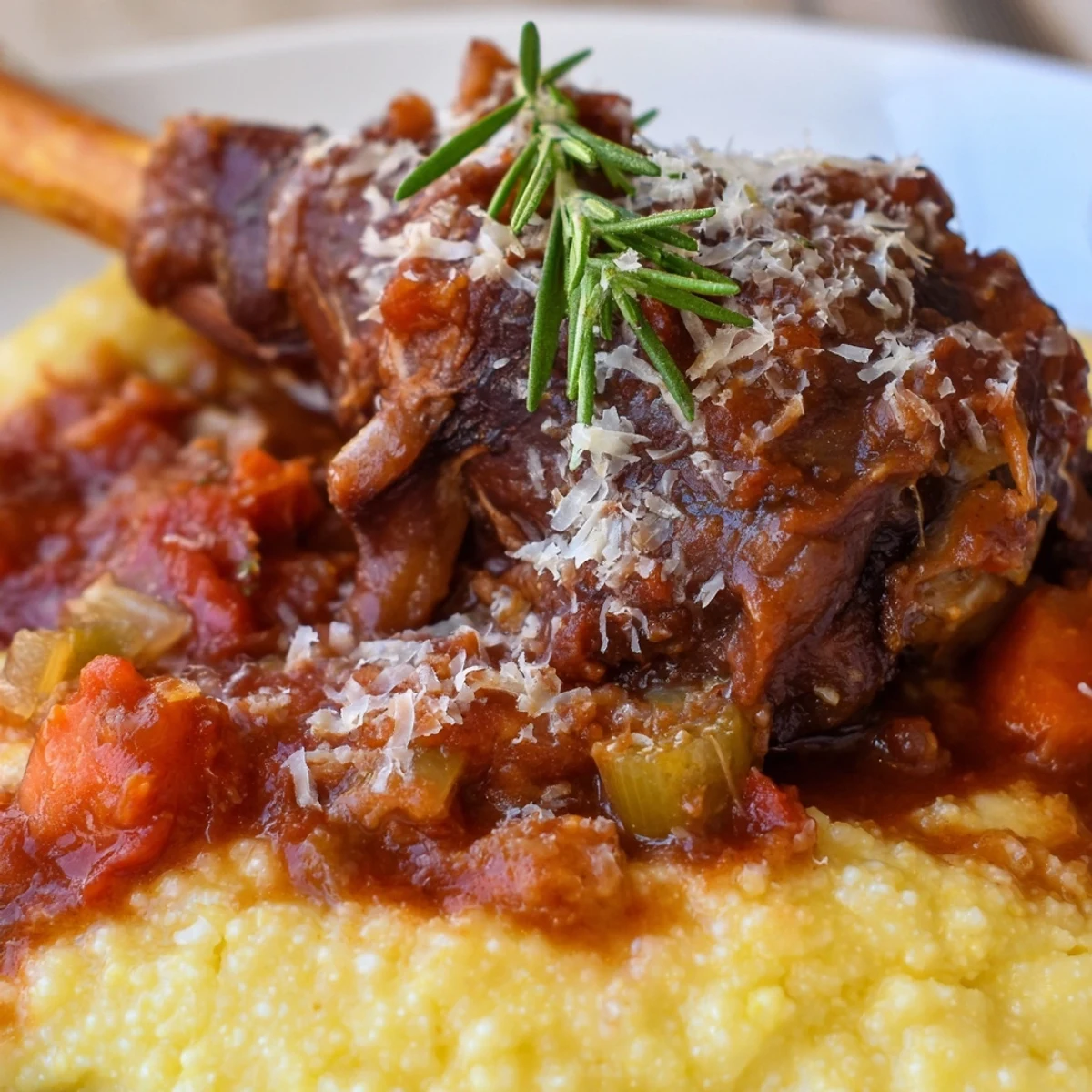
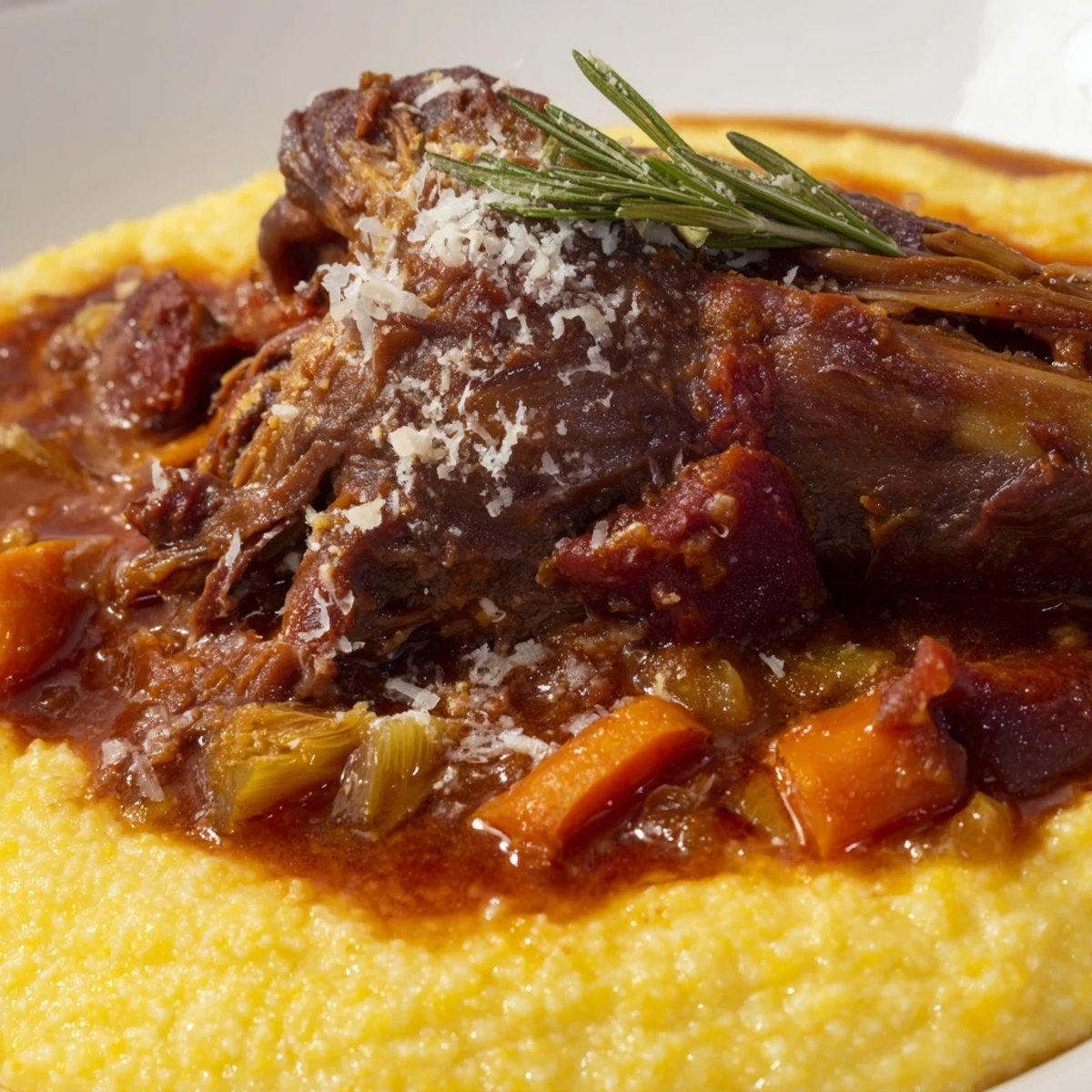
 This dish features lamb shanks slowly cooked in a flavorful braising liquid infused with fresh herbs and red wine, resulting in tender, fall-off-the-bone meat. The shanks are served over creamy polenta enhanced with freshly chopped rosemary and Parmesan cheese. Polenta is cooked to a smooth consistency, combining butter and cheese for richness. This comforting combination balances aromatic herbs and hearty texture, perfect for a satisfying main course with Italian influence.
There's something about the smell of lamb braising in red wine that stops me mid-afternoon, pulls me into the kitchen, and reminds me why I love cooking on cold days. I discovered this dish while flipping through an old Italian cookbook at a friend's apartment, and something about the simplicity of it—just good meat, root vegetables, and time—made me want to try it immediately. That first attempt was tentative, honestly, but when I pulled the pot from the oven and those shanks fell away from the bone with barely a touch, I knew I'd found something special. Now it's become my go-to when I want to feed people something that feels both comforting and a bit elegant.
I remember making this for my sister's birthday dinner when we were snowed in at our parents' place. The power flickered a couple of times during cooking, which sent me into a mild panic, but the Dutch oven held the heat so well that everything came out perfect anyway. She still talks about that meal, and honestly, I think it's because the house smelled incredible for hours—that's half the magic right there.
Ingredients
- Lamb shanks (4, about 400 g each): These are meatier than you'd expect and become silky through slow braising; look for ones that feel substantial and ask your butcher to trim excess fat if they're too thick.
- Olive oil (2 tbsp): Use good oil here—it's not just for cooking but carries flavor into the sauce.
- Onion, carrots, celery (1 large, 2, 2 stalks): This is your aromatic base, and it makes the house smell incredible while it softens; don't skip the celery even though you won't taste it directly.
- Garlic (4 cloves, minced): Add it after the softer vegetables so it doesn't burn and turn bitter.
- Tomato paste (2 tbsp): This concentrates flavor and deepens the sauce beautifully; cook it in the pot for a minute before adding liquid.
- Red wine (400 ml): Choose something you'd actually drink—it matters more than people think.
- Stock (500 ml beef or lamb): Lamb stock is ideal if you can find it, but beef works beautifully too.
- Canned tomatoes (1 can, 400 g): These balance the richness and add natural acidity.
- Fresh rosemary and thyme (2 sprigs each): Whole sprigs that you'll remove later—they infuse the sauce without overwhelming it.
- Bay leaves (2): Classic flavoring that rounds everything out.
- Polenta (250 g): Coarse cornmeal that becomes creamy and luxurious when stirred constantly; don't use instant or it won't have the same body.
- Butter and Parmesan (2 tbsp, 60 g): These finish the polenta and add richness that catches the sauce beautifully.
Instructions
- Preheat and season:
- Get your oven to 160°C (320°F) so it's truly hot when you need it. Pat those shanks completely dry with paper towels and season them generously on all sides with salt and pepper—this matters for browning.
- Sear the lamb:
- Heat olive oil in your Dutch oven until it shimmers slightly, then lay in the shanks. Let them sit undisturbed for a few minutes so they brown properly, then turn them with tongs until all sides are deep golden. This takes about 8-10 minutes total and is non-negotiable for flavor.
- Build the base:
- Remove the shanks and add diced onion, carrots, and celery to the same pot. Sauté until the vegetables soften and the onions turn translucent, then add minced garlic and cook for just a minute more so it releases its aroma without burning.
- Deglaze and layer flavors:
- Stir in tomato paste and let it cook for about a minute, then pour in your red wine. Use a wooden spoon to scrape up all those browned bits stuck to the bottom—that's pure flavor. Let the wine reduce for a couple of minutes so the alcohol cooks off slightly.
- Bring it together:
- Add your stock, canned tomatoes, rosemary sprigs, thyme, and bay leaves, then nestle the browned lamb shanks back into the liquid. They should be mostly submerged but not completely drowning.
- Braise low and slow:
- Cover the pot, transfer it to the oven, and let it cook for 2.5 to 3 hours. Flip the shanks once or twice as they cook so they braise evenly. The meat should pull away from the bone with almost no resistance when it's done.
- Make the polenta:
- About 30 minutes before the lamb is finished, bring water and salt to a boil in a saucepan. Whisk in the polenta slowly so lumps don't form, then reduce heat to low and stir almost constantly for 20-25 minutes. Your arm will work, but the polenta will transform into something creamy and thick.
- Finish the polenta:
- Stir in butter, grated Parmesan, and finely chopped fresh rosemary. Taste it and adjust salt and pepper—it should taste rich and herbal.
- Finalize the sauce:
- Remove the lamb from the oven and discard the herb stems and bay leaves. If your sauce looks too thin and glossy, simmer it uncovered on the stovetop for a few minutes to concentrate the flavors and thicken it slightly.
- Plate and serve:
- Spoon polenta onto plates, top with a lamb shank, and pour that gorgeous sauce over everything. The polenta catches the sauce like a dream.
 Pin It
 What I love most about this meal is the moment everyone goes quiet when they take the first bite—that moment when comfort and elegance collide on a plate. It's the kind of dinner that makes people linger at the table, refilling wine glasses and asking if you'll make it again.
Why This Works as a Winter Meal
Lamb shanks are perfect for braising because they're full of connective tissue that turns silky and gelatinous during long, slow cooking, creating a sauce that clings to everything else on the plate. The red wine adds acidity and depth that cuts through the richness, and the rosemary polenta isn't just a side—it's designed to soak up every drop of that incredible sauce. This is the kind of meal that tastes even better the next day when the flavors have settled together.
Smart Substitutions and Variations
If you can't find lamb shanks, beef shins work beautifully and take about the same time. A strip of orange zest in the braising liquid adds brightness that some people swear by, though I usually skip it and let the wine and herbs speak for themselves. You can substitute Pecorino Romano for the Parmesan if you want something with a sharper bite, or add a splash of balsamic vinegar to the sauce in the last 10 minutes if you like more complexity.
Pairing and Serving
This dish practically demands a robust red wine at the table—Chianti, Shiraz, or even a good Côtes du Rhône will make you look smart without breaking the bank. A simple green salad on the side cuts through the richness and makes the meal feel complete, and honestly, that's all you need alongside it. Everything else would be gilding the lily.
- Make this the day before if you have time; the flavors meld overnight and the sauce will be even richer.
- If your lamb shanks are particularly large, add an extra 30 minutes to the cooking time and check tenderness rather than watching the clock.
- Have paper towels ready when serving because the meat falls off the bone so easily that it might surprise your guests.
 Pin It
 This is the kind of recipe that builds confidence in the kitchen—you're not doing anything complicated, just giving good ingredients time to become something greater than themselves. Make it once and you'll understand why it's been cooked across Italy for centuries.
Recipe FAQs
- → How long should lamb shanks be cooked for optimal tenderness?
-
Cook lamb shanks low and slow for about 2.5 to 3 hours until the meat is very tender and easily pulls away from the bone.
- → What herbs complement the lamb shanks in this dish?
-
Fresh rosemary, thyme, and bay leaves infuse the braising liquid with aromatic flavors that enhance the richness of the lamb.
- → How is the polenta prepared to achieve a creamy texture?
-
Polenta is slowly cooked with water and salt, then enriched with butter, grated Parmesan, and chopped rosemary for a smooth, flavorful finish.
- → Can red wine be substituted in the braising liquid?
-
While red wine adds depth, you can replace it with additional stock or grape juice if preferred, though flavors may be less complex.
- → What are tips for searing the lamb shanks correctly?
-
Pat the shanks dry, season well, and sear over medium-high heat until browned on all sides to lock in flavor before braising.