
 Pin It
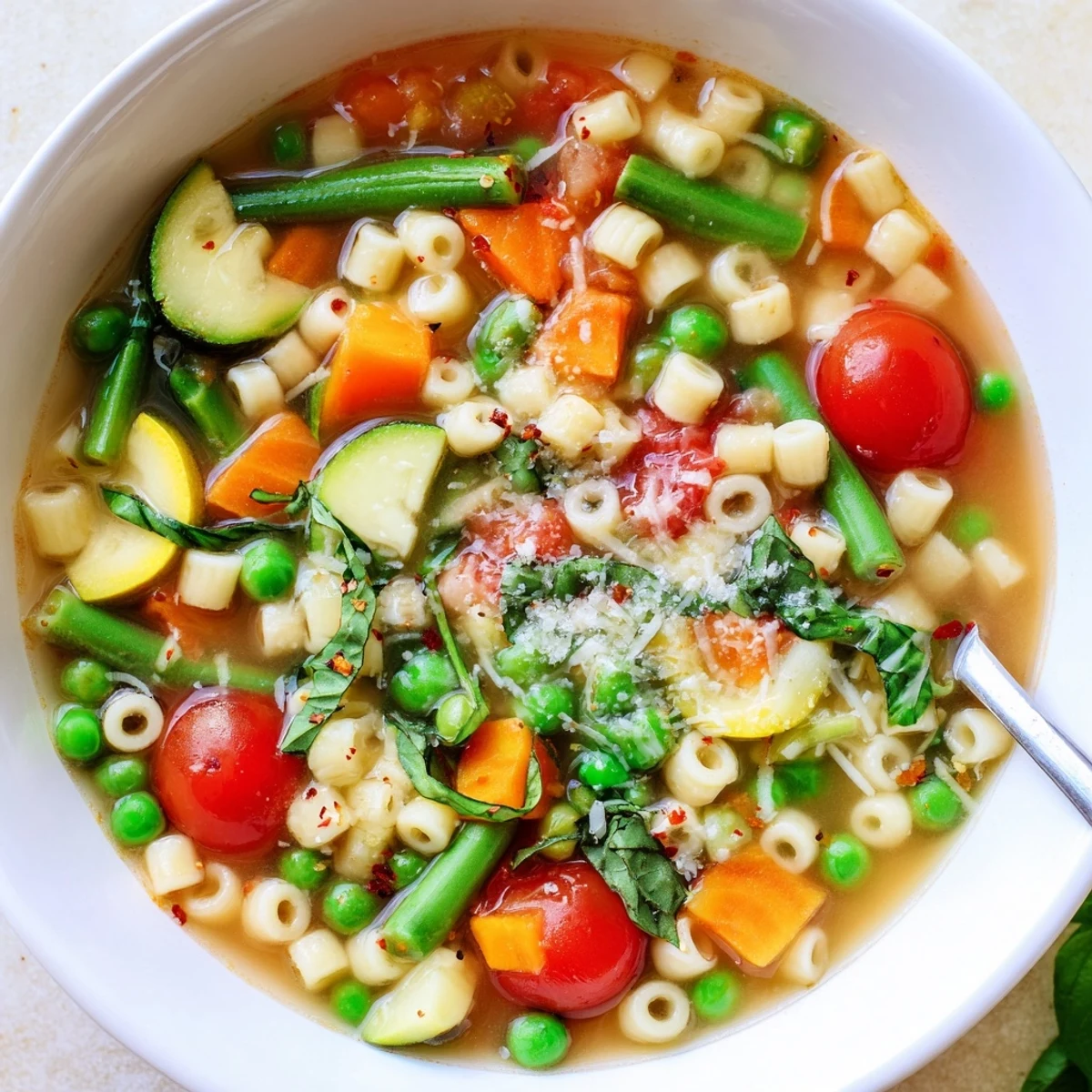
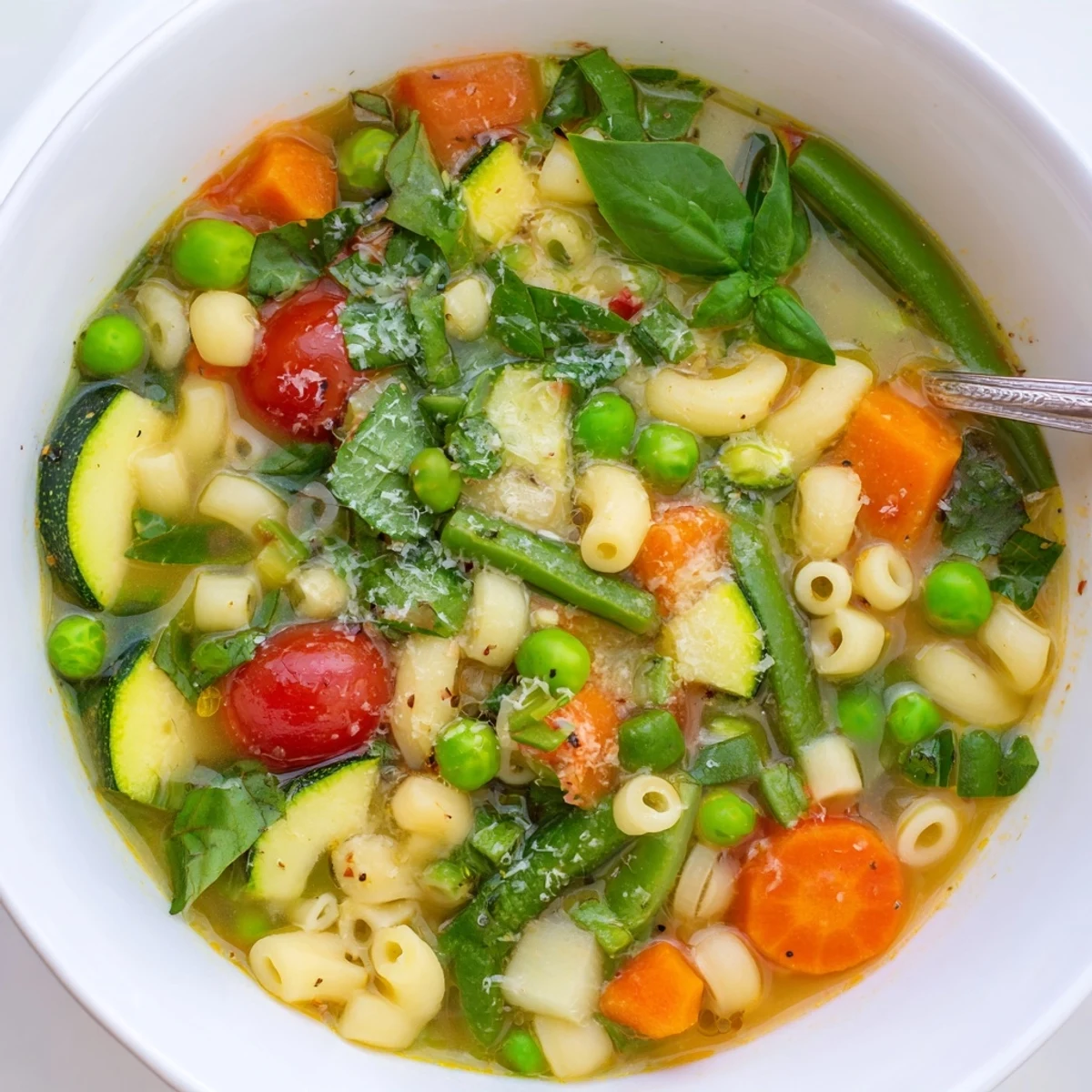
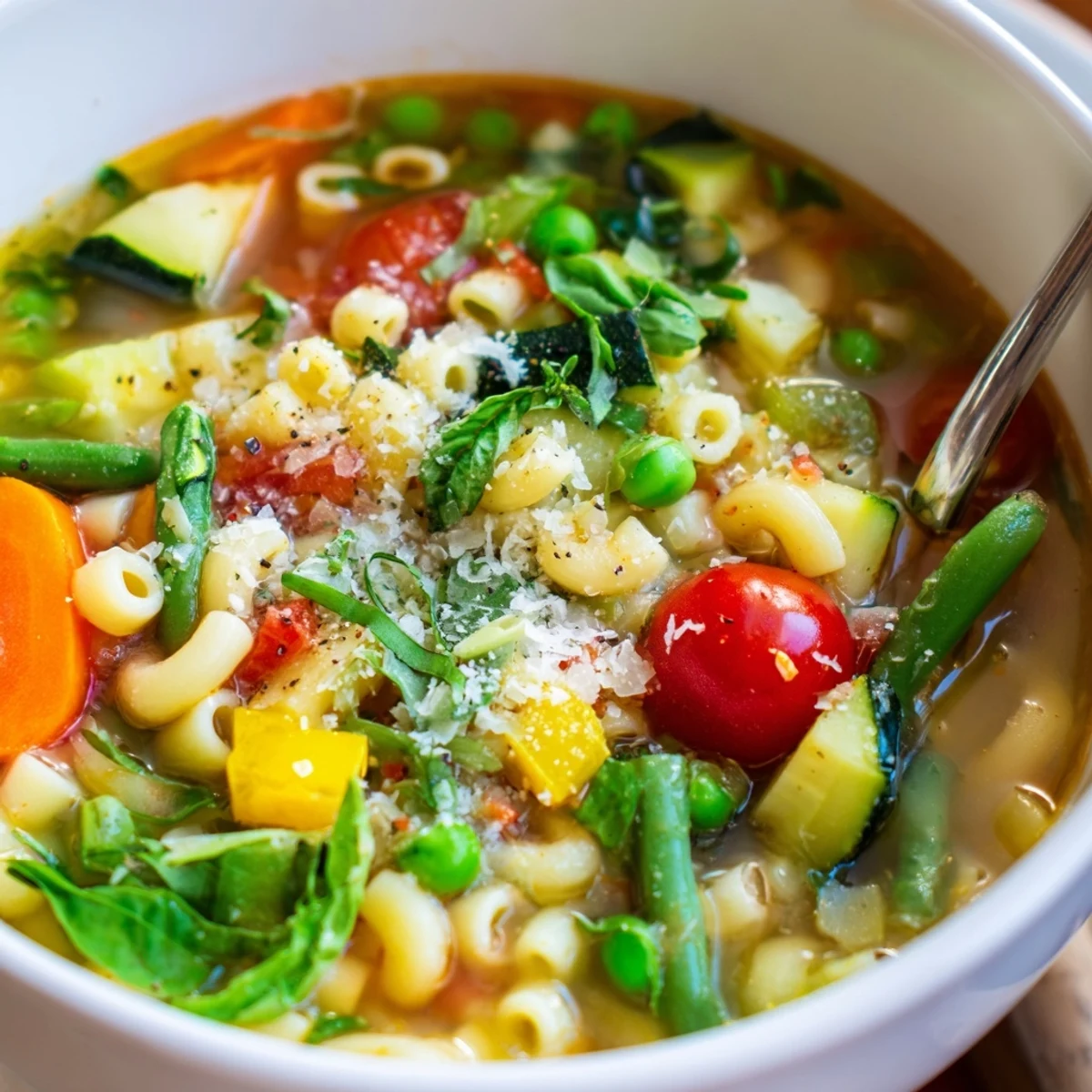
 This vibrant, light spring minestrone starts with sautéed onion, garlic, carrots and celery, then adds zucchini, green beans, peas and cherry tomatoes to a gentle vegetable broth. Stir in small pasta and simmer until al dente, then fold in spinach and fresh basil, parsley and dill. Finish with grated Parmesan and a drizzle of olive oil. Serves four; about 50 minutes total. Swap in seasonal veg or cannellini beans for heartiness.
One cool April afternoon, the breeze carried that unmistakable promise of spring—fresh, green, and a little wild. In the kitchen, I could almost hear the snap of green beans as I trimmed them, and the colors of all those vegetables scattered on my countertop made the entire space feel alive. Something about assembling this minestrone makes my senses wake up for the season, even on the grayest day. The first time I made it, I found myself humming without noticing, entirely swept up in the cheerful rhythm of spring produce.
I still remember chopping vegetables for this soup while my friend was visiting from college—we swapped stories over the stove, and my kitchen filled with gentle laughter and the sizzle of onions. The aroma was so inviting that before long she was reaching for a spoon “just to taste” as it simmered.
Ingredients
- Olive oil: A splash of good olive oil starts everything off silky, so use one that smells grassy and lively.
- Yellow onion: Finely chopped for sweetness and depth—it melts right in and softens the broth, so don’t rush the sauté.
- Garlic: Two cloves bring warmth and earthiness; smash them with the flat of your knife before mincing for extra flavor.
- Carrots and celery: These are the heart of almost any soup, chopped small so they cook evenly and dot every bite.
- Zucchini: It soaks up the broth and stays soft but not soggy—dicing it evenly avoids a mushy texture.
- Peas and green beans: Spring’s burst of green; if using frozen peas, add them right at the end to keep them poppy-bright.
- Baby spinach: Only stir this in at the last minute so it stays silky and fresh; rough chop for easier ladling.
- Cherry tomatoes: These soften into little pockets of sweetness, so halving them helps them burst just enough while cooking.
- Vegetable broth: Choose a low-sodium option so you can control the seasoning, and bring it to a gentle simmer to preserve the vegetables’ bright color.
- Small pasta: Ditalini or orzo works best—cook it right in the broth so it absorbs every bit of flavor.
- Salt and pepper: Taste as you go; the freshest vegetables need just a pinch to shine.
- Red pepper flakes: Optional, but that subtle kick livens up each bowl—I add just a dusting unless I’m cooking for kids.
- Fresh basil, parsley, dill: The trio gives layers of herbal brightness at the finish—dill is optional, but try it once for its gentle zing.
- Parmesan cheese: Grated over the top, it melts into the hot soup, but skip it or swap for vegan cheese without regret—it’s all about preference.
- Extra virgin olive oil for drizzling: A swirl before serving locks in that fresh aroma and gives the soup a glossy finish.
Instructions
- Sauté the foundation:
- Heat the olive oil in your biggest soup pot until it shimmers, then tip in the onion and garlic. Stir gently, letting everything go soft and golden—it’ll smell incredible within minutes.
- Build the base:
- Add the diced carrots and celery, and give them time—about five minutes—so they release just enough sweetness and flavor into the pot.
- Add spring colors:
- Drop in the zucchini, green beans, and cherry tomatoes, stirring until they’re glossy and just beginning to soften, about 2-3 minutes.
- Simmer the soup:
- Pour in the vegetable broth, scraping up any brown bits from the pan, then bring it to an easy simmer that’s more a happy burble than a full boil.
- Pasta and peas time:
- Stir in the small pasta and peas, keeping an eye so the pasta cooks just to al dente and the peas stay tender and bright, about 8-10 minutes.
- Finish with greens and herbs:
- Add the baby spinach and all your herbs, fold them in gently, and season with salt, pepper, and red pepper flakes—taste and adjust to your liking as the spinach wilts down.
- Serve it up:
- Ladle into warm bowls, setting the stage with a shower of Parmesan and a final drizzle of olive oil. Sprinkle with extra fresh herbs if you’re feeling fancy, and enjoy it piping hot.
 Pin It
 One spring evening, my neighbor dropped by just as I was finishing this soup—she left with a steaming Tupperware, promising to return the container but never quite did. That soup inadvertently started a long trade of shared dinners and friendly recipe swaps between our kitchens.
Make It Yours with What’s Fresh
I’ve lost count of how many variations I’ve tried—sometimes tossing in asparagus tips, other times a handful of cannellini beans if I’m craving extra heartiness. The best part is watching which combination you end up loving most, especially when you lean into whatever’s at the market or hiding in your fridge.
Simple Swaps for Every Table
When one of my vegan friends joined dinner, skipping the Parmesan and adding a swirl of fruity olive oil kept the soup magical and inclusive. If you’re out of small pasta, even broken-up spaghetti will do in a pinch—just keep an eye on cook times so it stays perfect.
Serving and Storing: Little Details Matter
For leftovers, I let the soup cool completely before tucking it in the fridge—the flavors knit together beautifully overnight. A quick reheat, an extra spoon of broth, and dinner is back on the table in no time.
- Warm your bowls before serving so the soup stays piping hot longer.
- Keep the pasta slightly undercooked if you know you’ll reheat the soup tomorrow.
- Taste again after reheating—a pinch of salt or a fresh herb lift makes all the difference.
 Pin It
 Here’s to catching the spirit of spring with every bowl and letting your kitchen fill with good memories and even better aromas. Happy cooking, and remember—the best soups come with a little bit of improvisation.
Recipe FAQs
- → What pasta works best?
-
Small shapes like ditalini or orzo hold up well and mix evenly with the vegetables. Use gluten-free small pasta to keep the texture similar if avoiding wheat.
- → How do I keep the vegetables bright and tender?
-
Sauté heartier vegetables first (carrots, celery) until slightly softened, add delicate items later and simmer briefly so green beans and peas stay vivid. Add spinach at the end just to wilt.
- → Can I make a vegan version?
-
Yes. Omit the Parmesan or use a plant-based alternative, and ensure the broth is vegetable-based. Toasted nutritional yeast can add a savory, cheesy note.
- → Is it okay to add beans for protein?
-
Absolutely. Canned or cooked cannellini beans stirred in with the pasta add creaminess and extra protein—add them with the peas so they heat through without breaking up too much.
- → How should I store and reheat leftovers?
-
Cool completely, refrigerate in an airtight container for up to 3–4 days. Reheat gently on the stovetop; add a splash of broth or water if the pasta absorbs too much liquid.
- → Can I freeze this soup?
-
Freezing is possible, but small pasta may become soft after thawing. For best results, freeze without pasta and cook fresh pasta when reheating, or use bigger pasta that holds texture better.