
 Pin It
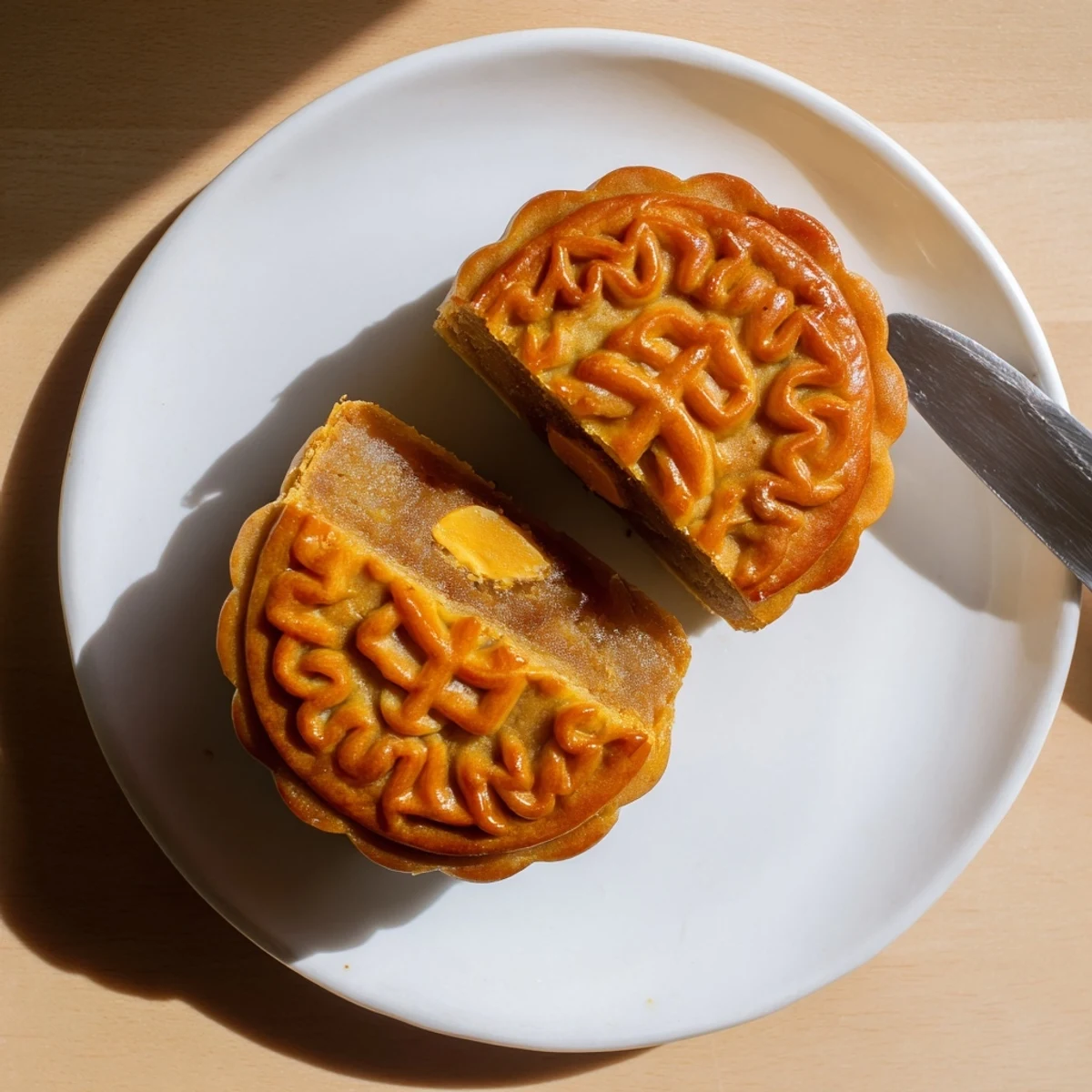
 Create these iconic Mid-Autumn Festival treats with a tender, golden-skinned pastry encasing sweet lotus seed paste. The traditional preparation involves mixing golden syrup with alkaline water and oil to create the signature soft dough that develops a beautiful glossy finish when baked. Each mooncake is hand-molded using traditional wooden presses, creating the intricate decorative patterns that make these delicacies instantly recognizable. The filling combines creamy lotus paste with optional salted egg yolks for a luxurious sweet-savory contrast. A two-step baking process with an egg wash glaze ensures the characteristic golden-brown exterior while keeping the interior moist and dense. For best results, allow the mooncakes to rest for 1-2 days after baking to let the skin soften and develop the perfect tender texture that makes store-bought versions so beloved.
The first year I attempted mooncakes, my kitchen smelled like golden syrup for days. That honey-like aroma is unmistakable and brings back so many childhood memories of Mid-Autumn Festival celebrations. I remember watching my grandmother press the intricate molds, her hands moving with practiced ease while I struggled to even form a decent ball. Now it's become my own autumn tradition, a way to connect with heritage through something edible and shared.
Last autumn, I made a batch for my neighbors who had never tried mooncakes before. Watching their faces light up at that first bite of sweet lotus paste and the rich surprise of a salted egg yolk center was genuinely heartwarming. They kept asking how I got the patterns so perfect on top. The secret is definitely in the mold technique and not overworking the dough.
Ingredients
- Golden syrup: This thick amber syrup is essential for that characteristic mooncake flavor and the tender texture of the skin
- Alkaline water: Also called lye water, this helps neutralize the acidity of the syrup and gives the dough its signature golden color
- Lotus seed paste: The classic filling with a smooth, creamy texture that balances perfectly with the pastry
- Salted egg yolks: These create that beautiful contrast between sweet filling and savory richness that traditional mooncakes are known for
Instructions
- Mix the syrup base:
- Combine golden syrup, vegetable oil, and alkaline water in a bowl, stirring until completely smooth and emulsified
- Form the dough:
- Add flour to the wet mixture and gently mix until a soft dough forms, then cover and rest for 30 minutes to relax the gluten
- Prepare the filling:
- Divide lotus paste into 12 equal portions and wrap each around a salted egg yolk if using, shaping into smooth balls
- Wrap and shape:
- Flatten each dough piece and enclose a filling ball, sealing completely before pressing into a floured mold
- The double bake:
- Bake for 5 minutes, cool for 10, then brush with egg glaze and finish baking until golden brown
 Pin It
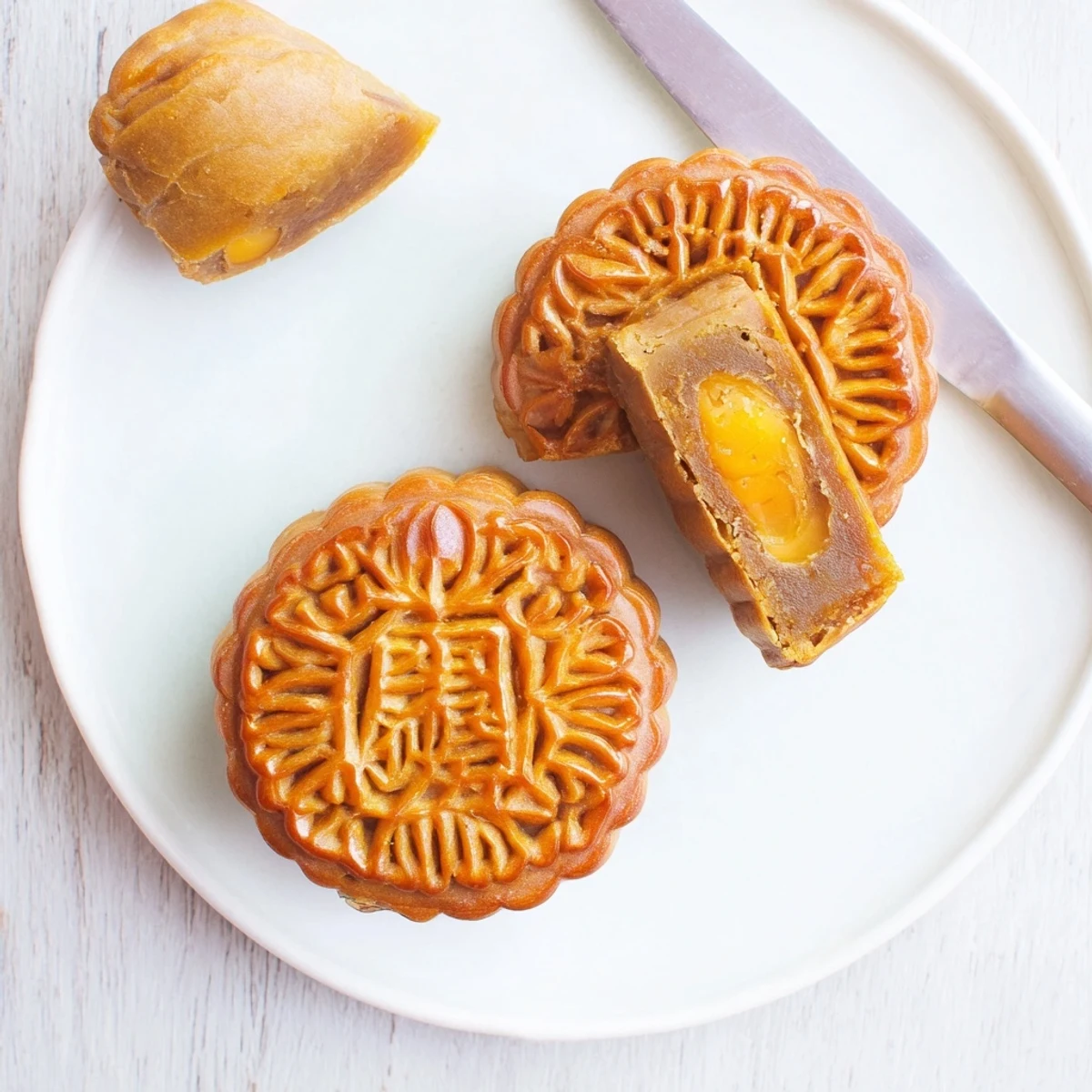
 My aunt always said mooncakes taste best when shared with tea and good conversation. There's something about slicing through that golden pastry and revealing the rich filling inside that makes people slow down and savor the moment. It's not just a dessert, it's a way to pause and appreciate the season.
Getting The Perfect Mold Design
Dust your mold with flour before each use to prevent sticking, but tap out any excess powder. Press the dough ball firmly into the mold, then invert and give a sharp tap to release the mooncake onto your baking sheet. The first one might be tricky, but you will quickly develop a rhythm.
Choosing Your Filling
While lotus paste is traditional, do not hesitate to experiment with red bean paste for a earthier sweetness or black sesame for a nutty depth. Some modern bakers even use chocolate or fruit pastes. The key is keeping the filling slightly firmer than the dough so it holds its shape during baking.
Storage And Serving
Mooncakes actually improve after a day or two of resting, which conveniently makes them perfect for preparing ahead of gatherings. Store them in an airtight container at room temperature, away from direct sunlight and heat sources.
- Slice mooncakes into small wedges to serve, they are quite rich and meant to be enjoyed in modest portions
- Pair with oolong or pu-erh tea to balance the sweetness and cleanse the palate between bites
- These keep for up to two weeks at room temperature, though they rarely last that long in my house
 Pin It
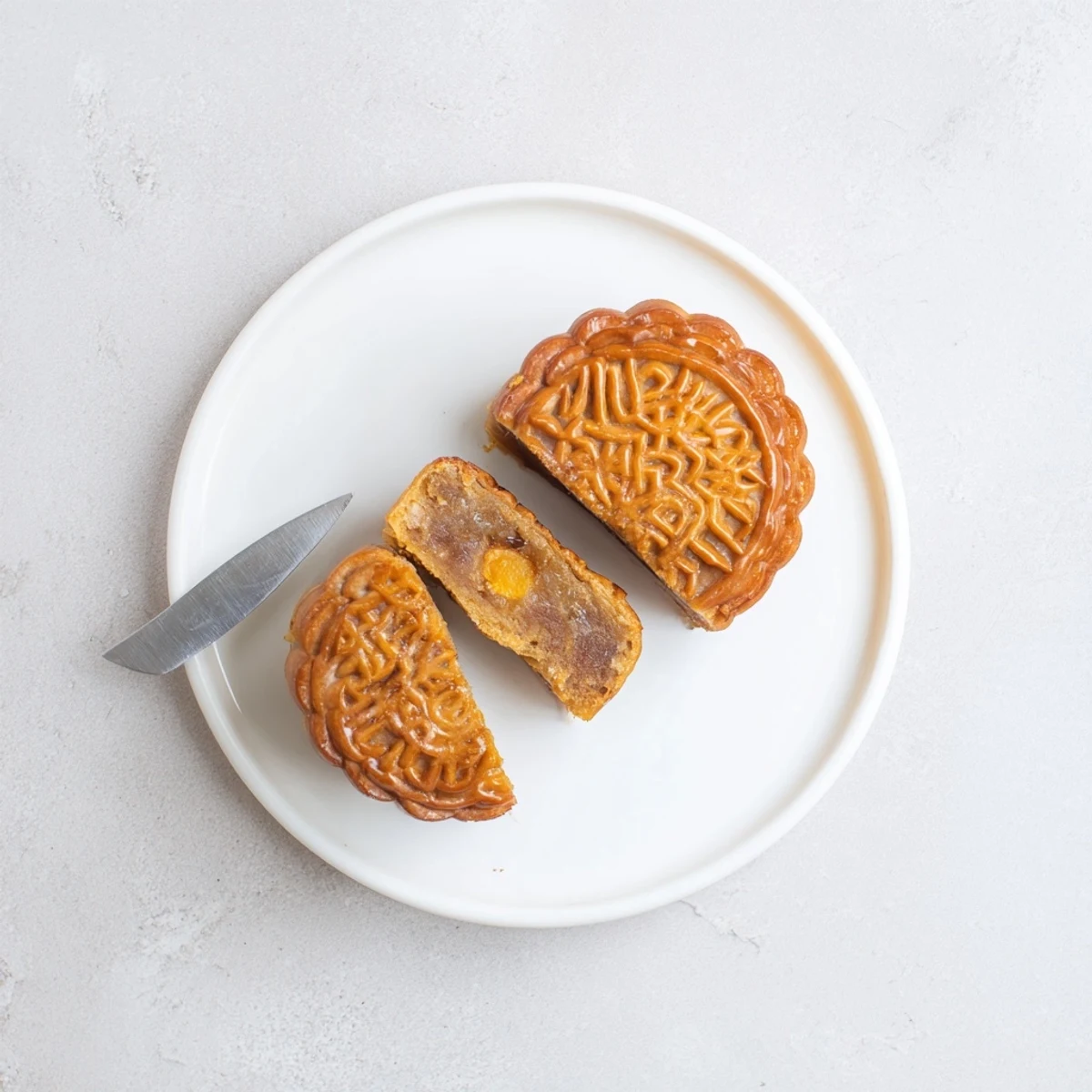
 There is something deeply satisfying about pulling a tray of perfectly golden mooncakes from the oven, each one stamped with its intricate design. Hope your Mid-Autumn Festival is filled with sweet moments and even sweeter memories.
Recipe FAQs
- → Why must mooncake dough rest for 30 minutes?
-
Resting allows the flour to fully hydrate and the gluten to relax, making the dough more pliable and easier to shape without cracking. This resting period is crucial for achieving smooth, tender pastry that won't tear during wrapping and molding.
- → Can I make mooncakes without a mold?
-
While traditional molds create the signature decorative patterns, you can shape them by hand into smooth balls or flattened rounds. Alternatively, use a small tart press or simply score decorative patterns with a knife before baking.
- → What's the purpose of alkaline water in mooncakes?
-
Alkaline water (lye water) gives mooncakes their characteristic golden-brown color, helps tenderize the dough, and provides that unique subtle aroma and flavor essential to authentic Chinese mooncakes.
- → Why do mooncakes need to rest after baking?
-
The resting period allows oil absorption from the filling to soften the pastry skin, creating the tender, slightly chewy texture traditional mooncakes are known for. Freshly baked mooncakes are too firm and need this aging process.
- → How long do homemade mooncakes stay fresh?
-
Stored in an airtight container at room temperature, mooncakes stay fresh for 1-2 weeks. For longer storage, refrigerate for up to a month or freeze for 3 months, though the texture may become slightly firmer.
- → What can I substitute for golden syrup?
-
Honey or corn syrup mixed with molasses can work, though the flavor and color will differ. For authentic results, golden syrup is recommended as it provides the proper texture and signature amber hue.