
 Pin It
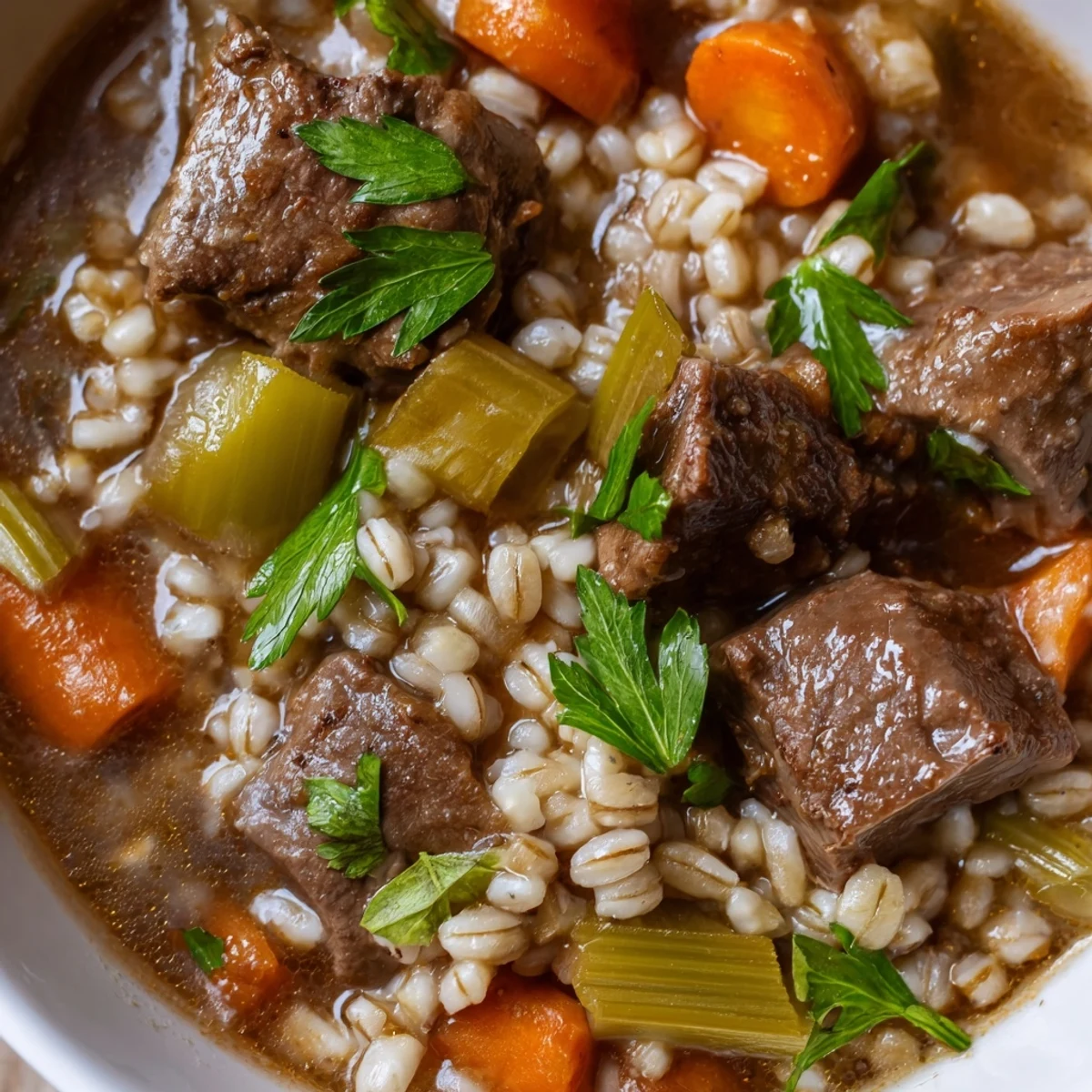
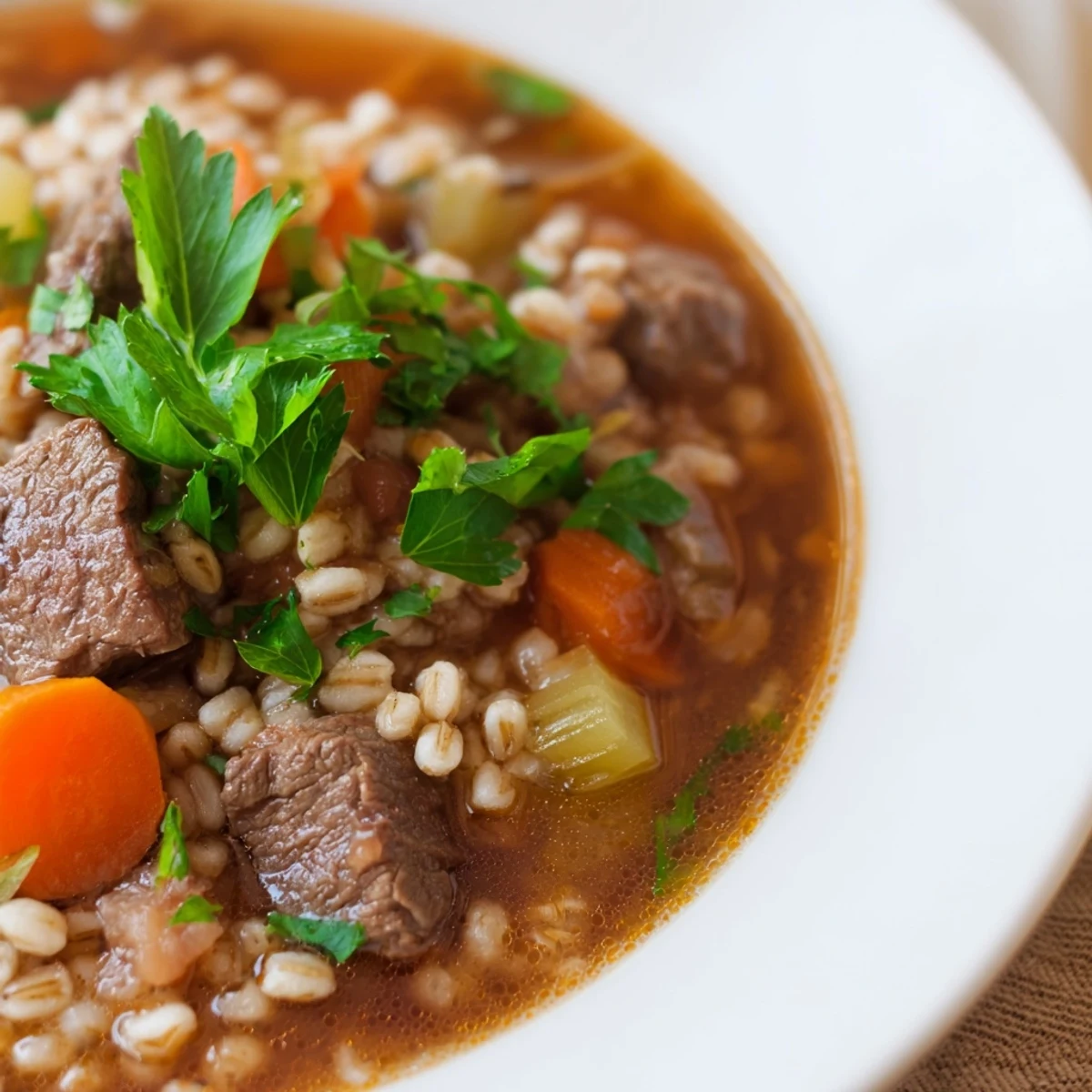
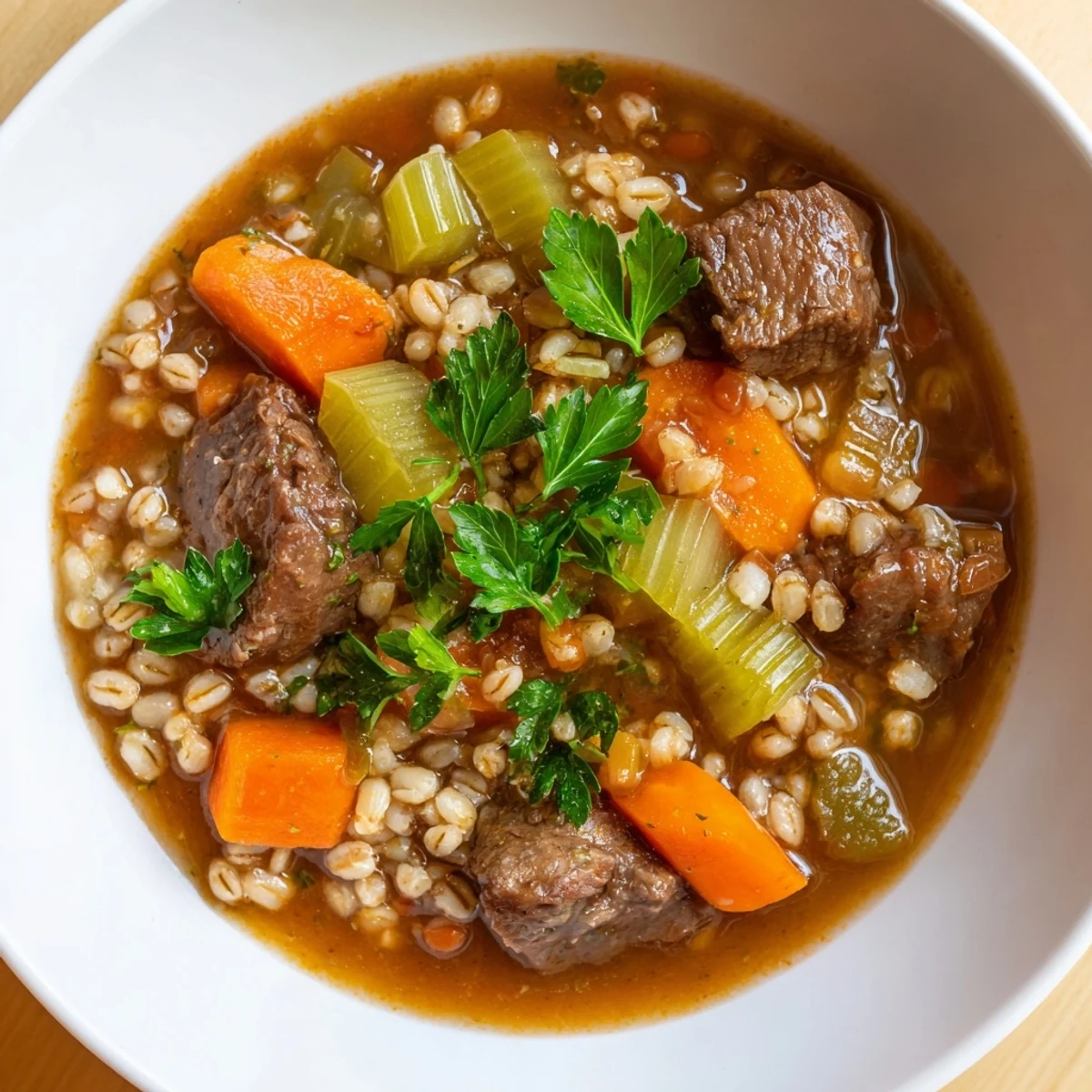
 This hearty beef and barley stew combines succulent beef chuck, pearl barley, and fresh vegetables in a rich beef broth base. Seared beef and sautéed aromatics build the flavor foundation, then simmer low and slow for tender, melt-in-your-mouth results. The nutty barley absorbs the savory broth while carrots and celery add natural sweetness and texture. Perfect for cold weather comfort meals.
I swear there's something almost magical about the way my kitchen windows fog up when a pot of beef and barley stew simmers on the stove. Last winter, during that brutal cold snap when the temperatures wouldn't rise above freezing for weeks, this stew became my salvation. The rich aroma of beef and herbs would fill every corner of the house, somehow making even the drafty spots by the windows feel cozier.
I brought this stew to my neighbor after her surgery last year, carrying it across our snowy yards in my largest pot. Her husband called later that evening to ask for the recipe, saying it was the first meal shed had the appetite to finish in weeks. Something about the simple heartiness of it just nourishes the body when its most needed.
Ingredients
- Beef chuck: I prefer chuck cut into generous 1-inch cubes because after testing countless cuts, Ive found it has just the right balance of meat and fat to become fork-tender without drying out during the long simmer.
- Pearl barley: This unassuming grain is actually the secret hero of the recipe, thickening the broth naturally while adding a slightly nutty flavor that pairs beautifully with the beef.
- Carrots and celery: I cut these slightly larger than you might expect because they need to stand up to the long cooking time while still maintaining some texture in the final stew.
- Bay leaves: These unassuming leaves work quiet magic in the background, lending a subtle complexity that you cant quite put your finger on but would definitely miss if they werent there.
Instructions
- Sear with patience:
- Heat that olive oil until it shimmers before adding your beef cubes in batches, giving them plenty of space to develop a rich brown crust. Listen for that satisfying sizzle that tells you youre building flavor, not just steaming the meat.
- Build the aromatic base:
- When you add the onions, carrots and celery to the pot, youll notice them picking up all those caramelized bits from the beef. Scrape the bottom of the pot gently while they cook down to incorporate all that flavor back into your stew.
- Mind your simmer:
- You want the gentlest of bubbles breaking the surface, not a rolling boil. I like to check after about 15 minutes of simmering and adjust the heat if needed, then again at the hour mark to see how the barley is expanding.
- Know when its done:
- The beef should yield easily when pressed with a wooden spoon, and the barley will have plumped up considerably. Take a proper taste before serving, as the salt level often needs slight adjustment at the end.
 Pin It
 This stew became an unexpected peace offering last Thanksgiving when my brother and I had been arguing about politics all morning. We fell silent when I placed the steaming bowls on the table, and somehow the shared experience of enjoying something so fundamentally good broke the tension. By the second helping, we were laughing about childhood memories instead.
Making It Ahead
The flavor transformation that happens overnight with this stew borders on culinary alchemy. I often make a double batch on Sunday, knowing the portion we eat on Monday will have deepened in flavor as the barley continues to slowly release its starch and absorb the broth. The beef becomes even more tender, and all the herbs have time to fully infuse every spoonful.
Stretching Your Budget
During that three-month stretch when I was between jobs, this stew became a financial lifesaver. I discovered that stretching the beef by adding an extra cup of barley and another carrot or two could feed us for nearly a week when paired with a simple side salad or crusty bread. The barley provides such satisfying heft that no one notices theres less meat per serving.
Serving Suggestions
The steaming bowl needs little accompaniment, but over the years Ive found certain pairings that elevate it from merely delicious to memorable. A dark, crusty sourdough for dipping is my personal favorite, especially when theres a slight tang to contrast with the rich stew.
- For a complete winter meal, serve with a bright side salad dressed with a simple vinaigrette to cut through the richness.
- A dollop of horseradish stirred into each serving adds an unexpected heat that complements the beef beautifully.
- Keep leftovers in the refrigerator for up to 4 days, reheating gently with a splash of broth if its thickened too much.
 Pin It
 Theres something profoundly satisfying about setting a pot of this stew on the table and watching everyone gather around. It reminds me that sometimes the most meaningful connections happen over the simplest foods.
Recipe FAQs
- → Can I prepare this stew in advance?
-
Yes, this stew can be made a day ahead. The flavors actually improve overnight as the ingredients continue to meld. Simply store in the refrigerator and reheat gently on the stovetop before serving.
- → What type of barley works best?
-
Pearl barley is recommended for a creamier texture and shorter cooking time. Hulled barley can be substituted but requires additional cooking time. Always rinse barley before adding to the pot.
- → How can I deepen the flavor?
-
Add 1 tablespoon of tomato paste when you add the garlic for extra depth. You can also substitute part of the beef broth with red wine for a richer, more complex flavor profile.
- → Is this stew naturally dairy-free?
-
Yes, this stew is completely dairy-free. However, always check commercial beef broth labels for potential allergens or gluten content, as some brands may contain traces.
- → What's the best way to sear the beef?
-
Work in batches to avoid overcrowding the pot, which prevents proper browning. Sear beef over medium-high heat until golden on all sides, then set aside. This develops the fond that enriches the final flavor.
- → Can I adjust the cooking time?
-
The 1.5 to 2-hour simmer time ensures tender beef and well-cooked barley. While you could increase heat for faster cooking, low-and-slow simmering produces the most tender results and better flavor development.