
 Pin It
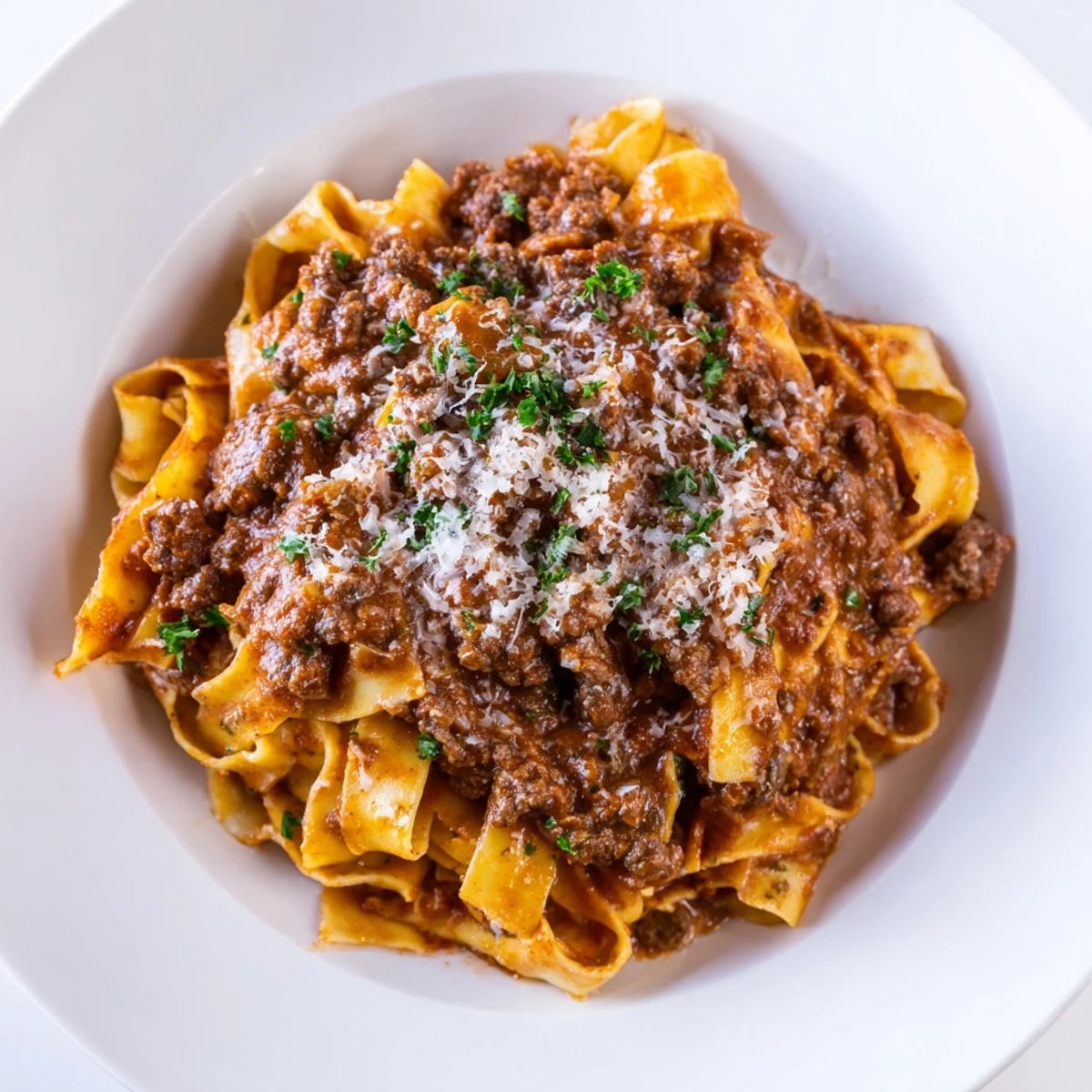
 This dish features ground beef slowly simmered with crushed tomatoes, aromatic vegetables, and herbs to create a deep, rich sauce. The sauce is enriched with a splash of red wine and milk to balance flavors and texture, then served over al dente tagliatelle or spaghetti. The combination of savory meat, silky sauce, and fresh garnishes like Parmesan and parsley delivers a classic Italian-inspired main course that brings warmth and satisfaction to the table.
There's something about the smell of softened onions and celery hitting hot olive oil that instantly transports me to my grandmother's kitchen. The first time I made a proper Bolognese, I had no idea that patience was the real secret—I wanted to rush it, but watching that sauce reduce over nearly an hour taught me that good food doesn't hurry. Now whenever I make this dish, I'm not just cooking dinner; I'm recreating a moment of calm in my kitchen where time actually slows down.
I made this for my partner on a random Tuesday when everything felt overwhelming, and somehow the act of tending to this sauce for over an hour became exactly what we both needed. By the time we sat down to eat, the whole apartment smelled like comfort, and for those few hours, nothing else mattered but that bowl of pasta in front of us.
Ingredients
- Ground beef (500 g, preferably 80/20): The fat ratio matters more than you'd think—it keeps the sauce rich without being greasy, so don't be tempted by super lean meat.
- Onion, celery, and carrot: This holy trinity is your foundation; chop them small and even so they soften together and almost melt into the sauce.
- Garlic (3 cloves, minced): Add it after the softer vegetables so it doesn't burn and turn bitter—a single burnt clove changes everything.
- Canned crushed tomatoes (800 g): Quality matters here since tomatoes are the main event; San Marzano varieties taste noticeably better if you can find them.
- Tomato paste (2 tbsp): This is your umami bomb and should cook in the pan for a minute to deepen its flavor.
- Dry red wine (120 ml): Use something you'd actually drink, because the cheap stuff tastes cheap in the final dish.
- Beef broth (240 ml): Homemade broth makes a difference, but good quality store-bought works when life is busy.
- Whole milk (60 ml): This small amount at the end is the secret that makes the sauce silky and rounds out the acidity in a way that feels almost magical.
- Olive oil (2 tbsp): Use a good oil that you like the taste of—it's doing real work here, not just cooking the vegetables.
- Dried oregano and basil (1½ tsp and 1 tsp): Dried herbs work better here than fresh because the slow cooking releases their deep flavors.
- Bay leaf: One leaf adds a subtle whisper of complexity; remove it before serving or your guests will find it and wonder.
- Salt, pepper, and sugar: The sugar is optional but genius if your tomatoes taste too acidic—start with a pinch.
- Pasta (350 g, tagliatelle or spaghetti): Thicker ribbons like tagliatelle hold the sauce better, but honestly any shape you love will work.
- Parmesan and parsley: Fresh Parmesan makes all the difference; pre-grated tastes like sawdust next to the real thing.
Instructions
- Build your base:
- Heat olive oil in your pot until it shimmers, then add the onion, celery, and carrot. Let them soften for 6 to 8 minutes, stirring occasionally, until they're translucent and smell sweet. You're not trying to brown them—you're coaxing out their natural sugars.
- Wake up the garlic:
- Add the minced garlic and cook for just 1 minute until fragrant. Your kitchen will smell incredible at this point, which is half the joy.
- Brown the beef:
- Increase the heat to medium-high and add the ground beef, breaking it up with a wooden spoon as it cooks. Take your time here—you want it nicely browned, about 6 to 8 minutes, not gray and steamed. Drain off excess fat if there's more than a thin layer.
- Deepen the flavor:
- Stir in the tomato paste and let it cook in the meat and vegetables for 2 minutes; this step is worth the wait. Pour in the red wine, scraping the bottom of the pot with your spoon to capture all those browned, flavorful bits, and let it bubble away for 2 to 3 minutes until the alcohol cooks off.
- Build the sauce:
- Add the crushed tomatoes, beef broth, oregano, basil, bay leaf, and salt and pepper to taste. If your tomatoes taste sharp or acidic, add just a pinch of sugar to balance them. Stir everything together.
- Let time do the work:
- Reduce the heat to low and leave the sauce uncovered to simmer for 45 to 60 minutes, stirring every 10 minutes or so. The sauce will go from thin and watery to thick and clingy, coating the back of your spoon beautifully. Your patience is building the flavor.
- Add the milk:
- Stir in the milk and simmer for 5 more minutes; it'll soften the acidity and make the sauce taste rounder and more luxurious. Taste and adjust the seasoning one final time.
- Cook the pasta:
- Meanwhile, bring a large pot of salted water to a boil and cook your pasta according to the package instructions until it's al dente—tender but still with a slight bite. Reserve ½ cup of the starchy pasta water before you drain.
- Bring it together:
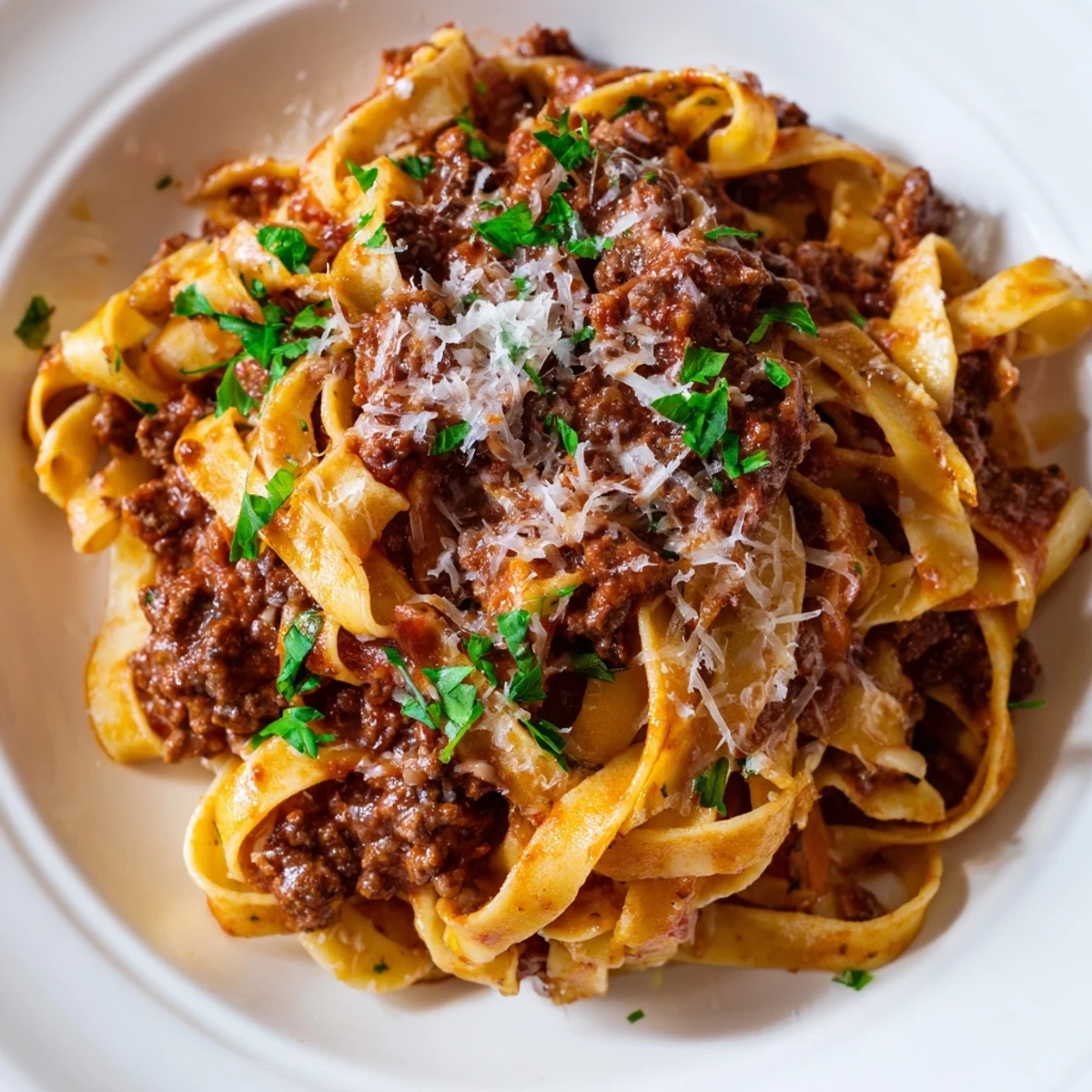
- Toss the hot pasta with the Bolognese sauce, adding pasta water a splash at a time if needed to reach the consistency you like. Serve immediately in warm bowls, topped with fresh Parmesan and parsley if you have it.
 Pin It
 I learned this recipe isn't just about feeding people; it's about showing them they're worth an hour and a half of your undivided attention. That realization came when someone asked for seconds and told me it was the first time in years they'd eaten something that tasted like real home.
The Magic of the Soffritto
The onion, celery, and carrot base is called soffritto, and it's the foundation that everything else depends on. I spent years rushing this step until a chef friend told me that good cooks don't hurry their aromatics. Now I slow down deliberately here, letting each vegetable soften and mingle with the olive oil until the smell alone tells me I'm ready to move on. It's the difference between a sauce that tastes thrown together and one that tastes like it was made with intention.
Why This Sauce Gets Better Overnight
There's a reason Bolognese tastes better the next day, and it has everything to do with how flavors need time to settle and marry together. I've learned to make this on a day when I don't need it urgently, then reheat it gently the following evening when all those flavors have become something greater than the sum of their parts. If you're cooking this for tonight, that's wonderful—just know that tomorrow it'll taste even deeper and richer, which is a gift you're giving to your future self.
Small Changes That Matter
This recipe is robust enough to handle small experiments, and I've found that tiny tweaks create entirely different moods. A splash of balsamic vinegar adds a subtle sweetness and depth, a pinch of nutmeg brings an almost imperceptible warmth, and a touch of anchovy paste (if you're brave) adds a savory richness that no one can quite name. Don't overthink it—start with the recipe as written, and once you know it by heart, you'll trust yourself to play.
- Ground pork or veal makes the sauce taste lighter and more traditionally Italian if you want to experiment.
- A robust red wine like Chianti or Barolo pairs beautifully and brings out different notes in the sauce.
- Left over sauce freezes beautifully for up to three months, making weeknight dinners feel effortless.
 Pin It
 Every time I make this dish, I'm reminded that the best meals aren't about being impressive—they're about being present and caring enough to take the time. This sauce is your ticket to that.
Recipe FAQs
- → What type of beef is best for this dish?
-
Ground beef with an 80/20 lean-to-fat ratio works well to ensure flavor and moisture in the sauce.
- → Can I use other pasta shapes?
-
Yes, tagliatelle or spaghetti are traditional, but other long or ribbon-like pastas complement the sauce nicely.
- → How long should the sauce simmer?
-
Simmer uncovered for 45 to 60 minutes to develop a thick, flavorful sauce.
- → What does adding milk do to the sauce?
-
Milk enriches the sauce, rounding out acidity and adding a silky texture to the finished dish.
- → Can I substitute the beef with other meats?
-
Ground pork or veal can be substituted to create variations closer to traditional ragù styles.
- → How should I adjust seasoning?
-
Season with salt and pepper to taste after simmering, balancing acidity with optional sugar or nutmeg.