
 Pin It
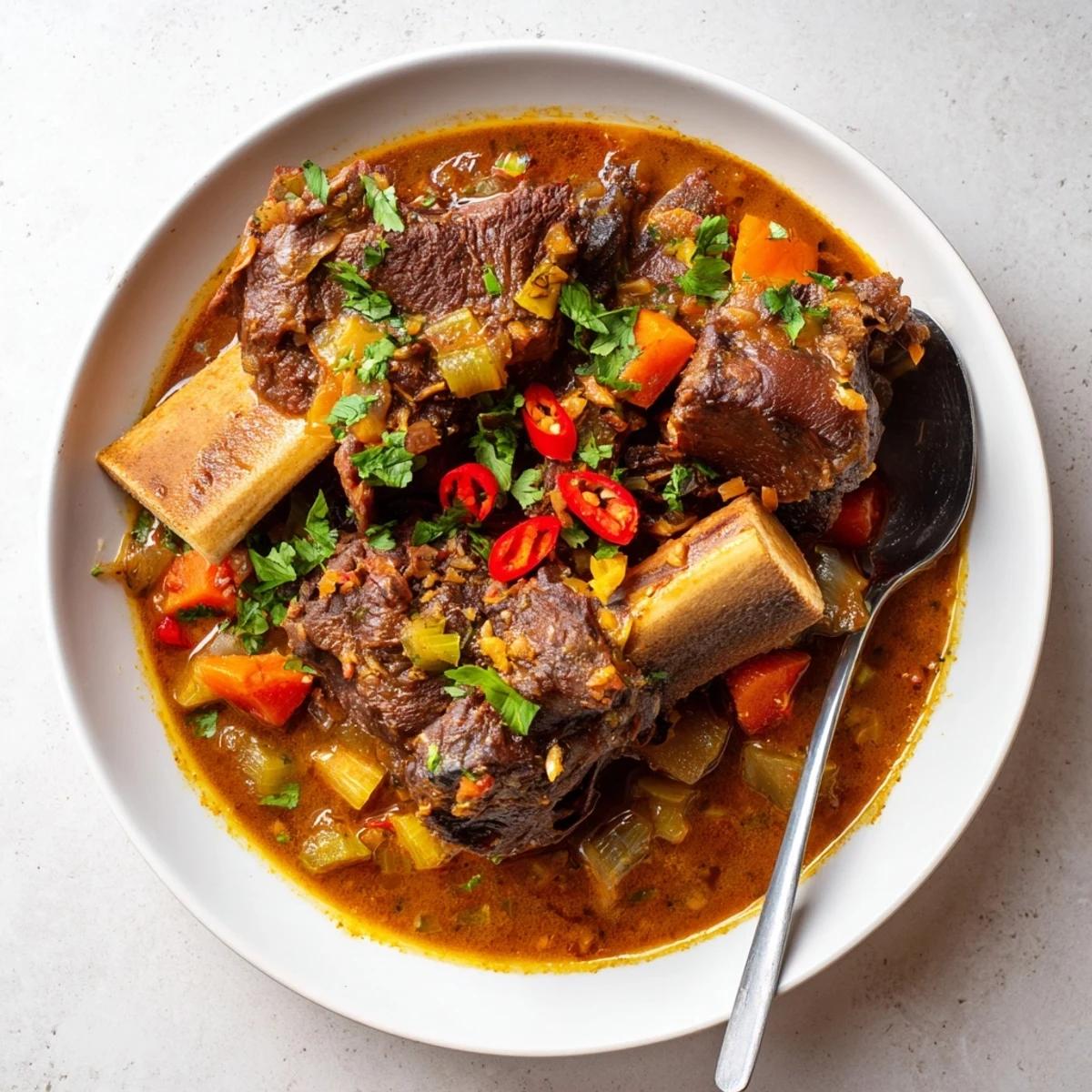
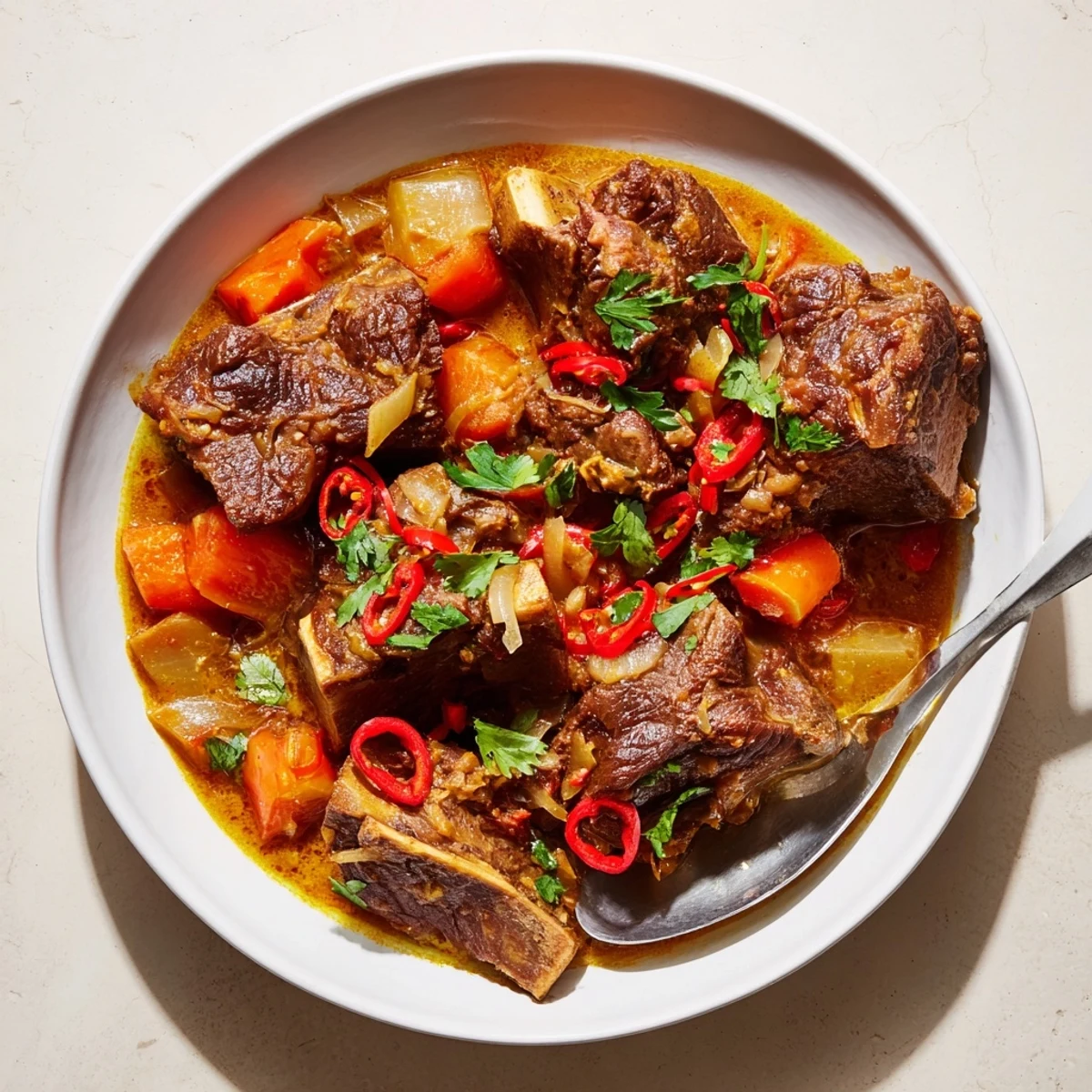
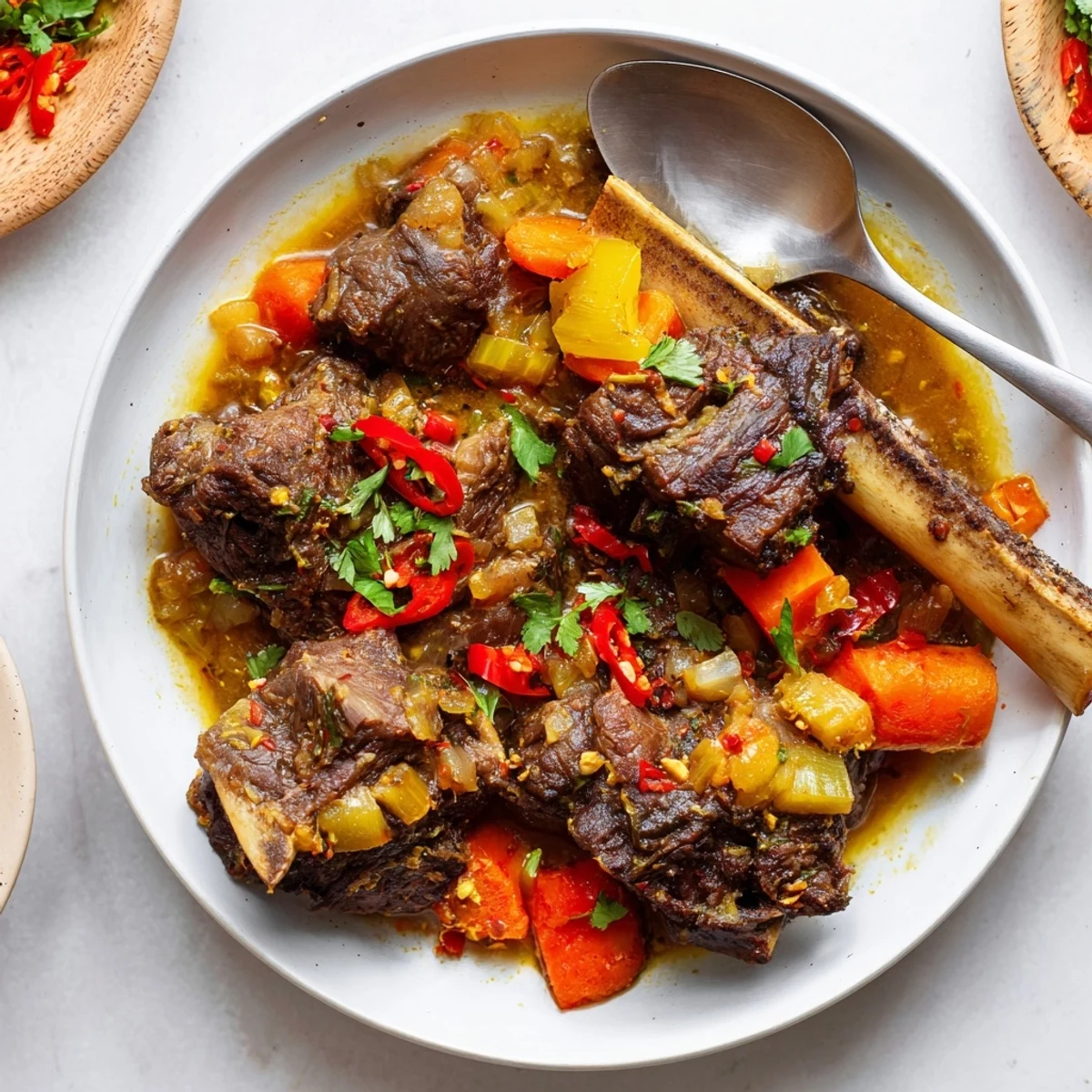
 Savory beef ribs become meltingly tender after simmering for over two hours in a fragrant broth of coconut milk, lemongrass, ginger, and warm spices like turmeric and coriander. This hearty stew combines classic Southeast Asian flavors with the comforting richness of Italian-style ragu, creating a unique fusion dish that pairs beautifully with steamed jasmine rice or crusty bread for soaking up the luscious sauce.
The first time I made this ragu, my apartment smelled so incredible that my neighbor actually knocked on my door to ask what I was cooking. That moment told me this fusion of Cambodian spices and classic Italian slow-cooking magic was something special. The tender meat falling off the bone while the coconut milk creates this silky, aromatic sauce has become my go-to for dinner parties.
Last winter, my sister came over during a snowstorm and we spent hours hovering over the pot, taking turns skimming fat and tasting. Something about the house filling with those warm spices while it was freezing outside made it feel like the coziest evening wed had in ages. She still texts me randomly asking when Ill make it again.
Ingredients
- Beef short ribs, bone-in: The bones add incredible depth to the sauce, and the marbling keeps the meat impossibly tender after hours of slow cooking
- Coconut milk: Use full-fat canned coconut milk for the richest texture and best flavor absorption with the spices
- Lemongrass: Only use the white bottom portion, finely minced, as the upper stalk is too fibrous and woody
- Palm sugar: Brown sugar works in a pinch, but palm sugar adds a subtle caramel note that balances the fish sauce beautifully
- Fish sauce: Dont be intimidated, it dissolves into the sauce and provides that essential umami foundation without any fishy taste
Instructions
- Sear the ribs to build flavor:
- Pat the ribs thoroughly dry with paper towels, season generously with salt and pepper, then sear in hot oil until deeply browned on all sides. This step creates the flavor foundation that will carry through the entire cooking process.
- Build the aromatic base:
- Reduce the heat and add your onions, garlic, ginger, lemongrass, and vegetables, cooking until softened and your kitchen is filled with fragrant steam. The vegetables should be translucent and tender, not browned.
- Wake up the spices:
- Add the turmeric, coriander, chili flakes, and bay leaves, stirring constantly for one minute until they release their oils and become incredibly fragrant. This brief blooming step is what separates good from great.
- Combine and let time work:
- Return the ribs to the pot, pour in the coconut milk and stock, bring to a gentle simmer, then cover and let it cook slowly over low heat. Check occasionally, skimming any fat that rises to the top, until the meat is falling off the bone.
 Pin It
 My friend Minh tried this and said it reminded her of Sundays at her grandmothers house in Phnom Penh, even though the dish itself was completely different. Food has this way of connecting us to memories we didnt know we still carried, and this ragu seems to do that for almost everyone who tries it.
Making It Your Own
The beauty of this recipe is how adaptable it is to your preferences and what you have on hand. Ive made it with pork ribs, added sweet potatoes in the last hour, and even thrown in handfuls of spinach at the end for color.
The Art of Reduction
If you want a thicker, more concentrated sauce, uncover the pot during the final 30 minutes of cooking. The liquid will evaporate and the flavors will intensify, creating that restaurant-quality coating consistency.
Perfect Pairings
Jasmine rice is the classic choice, absorbing all that fragrant sauce beautifully, but crusty bread for sopping up every last drop is equally satisfying. The slight sweetness of a cold lager or an aromatic Riesling cuts through the richness perfectly.
- Make extra because leftovers taste even better the next day
- The sauce freezes beautifully for up to three months
- Dont forget to remove bay leaves before serving
 Pin It
 Theres something profoundly satisfying about a dish that transforms simple ingredients into something this extraordinary with just time and care. This ragu has become my answer to almost every occasion worth celebrating.
Recipe FAQs
- → What makes Cambodian rib ragu different from Italian ragu?
-
Cambodian rib ragu incorporates coconut milk, lemongrass, ginger, and Southeast Asian spices like turmeric and coriander, while Italian ragu typically uses olive oil, wine, and herbs like basil and oregano. The coconut milk creates a creamier, slightly sweeter sauce profile.
- → How do I know when the beef ribs are done cooking?
-
The ribs are ready when the meat is fork-tender and easily pulls away from the bone. This typically takes 2 to 2½ hours of gentle simmering. You should be able to insert a fork with no resistance.
- → Can I make this in a slow cooker or Instant Pot?
-
Yes, sear the ribs first, then transfer everything to a slow cooker and cook on low for 6-8 hours. For an Instant Pot, use the pressure cook setting for 60-70 minutes, then natural release for 15 minutes.
- → What can I substitute for fish sauce?
-
You can use additional soy sauce with a pinch of salt, or try vegetarian fish sauce alternatives. For a similar umami depth, add a small amount of mushroom broth or a splash of Worcestershire sauce.
- → How should I store and reheat leftovers?
-
Store in an airtight container in the refrigerator for up to 4 days, or freeze for up to 3 months. Reheat gently on the stove over low heat, adding a splash of water or stock if the sauce has thickened too much.
- → What sides pair well with this dish?
-
Steamed jasmine rice is the traditional accompaniment, but crusty bread, wide egg noodles, or mashed potatoes work beautifully. A crisp green salad with citrus vinaigrette helps balance the rich flavors.