
 Pin It
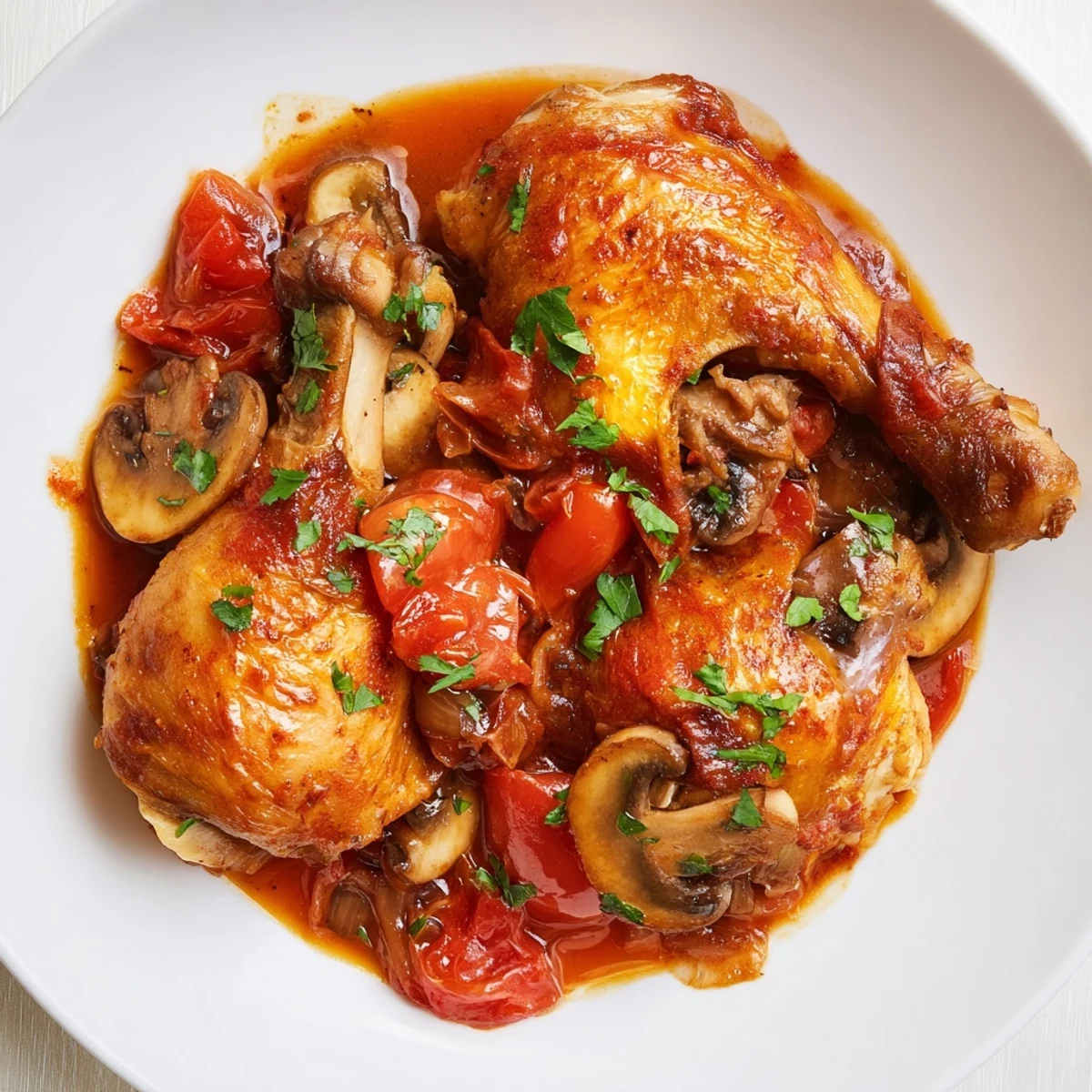
 Brown bone-in chicken pieces, then sauté onion, garlic and mushrooms until caramelized. Stir in tomato paste, deglaze with dry white wine, then add tomatoes and stock. Return chicken, add tarragon, cover and simmer 35–40 minutes until tender. Finish with a knob of butter and chopped parsley. Serve over buttered noodles, rice, or crusty bread; a splash of brandy deepens the flavor.
The rain was hammering against the kitchen window the afternoon I decided to tackle chicken chasseur for the first time, mostly because I had a bottle of white wine that had been opened too long and a pack of chicken thighs staring me down from the fridge. Something about browning meat while a storm rages outside feels profoundly right, like the kitchen becomes its own small universe. The smell of tarragon hitting that tomatoey wine sauce nearly stopped me in my tracks. I called my neighbor over within twenty minutes because it felt criminal to eat this alone.
I made this for my sister the week she moved into her first apartment, balancing the skillet on a two burner stove that tilted slightly to the left. She stood on a overturned crate chopping mushrooms behind me, and we ate straight from the pan with a torn baguette because she had not unpacked a single plate.
Ingredients
- 4 bone in, skin on chicken thighs and 4 drumsticks: The bones keep the meat juicy during the long simmer, and the skin gives you something gorgeous to brown first.
- 200 g button mushrooms, sliced: They soak up the wine sauce like little sponges, so do not skip them.
- 1 medium onion, finely chopped: This is your flavor foundation, so cook it slowly until it goes soft and sweet.
- 2 cloves garlic, minced: Add it after the onion so it does not burn and turn bitter.
- 2 medium tomatoes, diced, or 400 g canned chopped tomatoes: Canned tomatoes actually work beautifully here and give a more consistent sauce.
- 125 ml dry white wine: Something you would drink is perfect, and do not bother with anything labeled cooking wine.
- 200 ml chicken stock: Low sodium lets you control the salt level throughout.
- 2 tbsp tomato paste: This concentrates the tomato flavor and gives the sauce its deep, rusty color.
- 2 tbsp fresh tarragon, chopped, or 1 tbsp dried: Tarragon is the soul of chasseur, so use fresh if you can find it.
- 2 tbsp fresh parsley, chopped: Save this for the end so it stays bright and grassy.
- 2 tbsp olive oil: A generous coating in the pan ensures even browning on the chicken.
- Salt and pepper, to taste: Season in layers, starting with the chicken before it ever hits the pan.
- 1 tbsp unsalted butter, optional: Swirled in at the end, it gives the sauce a velvety finish that feels optional until you try it once and never skip it again.
Instructions
- Prep and season the chicken:
- Pat every piece bone dry with paper towels and hit them generously with salt and pepper. Wet chicken steams instead of browning, and you want that deep golden crust.
- Brown the chicken pieces:
- Heat olive oil in a large heavy skillet over medium high heat and lay the chicken in skin side down without crowding the pan. Let it cook undisturbed for about five minutes until the skin releases easily and turns a rich amber, then flip and brown the other sides.
- Soften the aromatics:
- Transfer the chicken to a plate and drop the onion and garlic into the same pan with all those leftover chicken juices. Stir gently until the onion goes translucent and fragrant, about three minutes.
- Cook the mushrooms:
- Toss in the sliced mushrooms and let them sit without stirring for a minute so they actually caramelize instead of steaming. Once they release their liquid and start turning golden, move forward.
- Build the sauce base:
- Stir in the tomato paste and let it cook for about a minute until it darkens slightly, then pour in the white wine. Scrape up every caramelized bit stuck to the bottom because that is where all the concentrated flavor lives.
- Simmer everything together:
- Add the diced tomatoes and chicken stock, nestle the browned chicken back into the skillet, and scatter the tarragon over the top. Bring it to a gentle simmer, cover, and let it bubble softly on low heat for thirty five to forty minutes until the chicken is fall off the bone tender.
- Finish and serve:
- Off the heat, stir in the butter if using and taste the sauce for salt and pepper. Shower with fresh parsley and serve directly from the pan with something starchy to catch every drop.
 Pin It
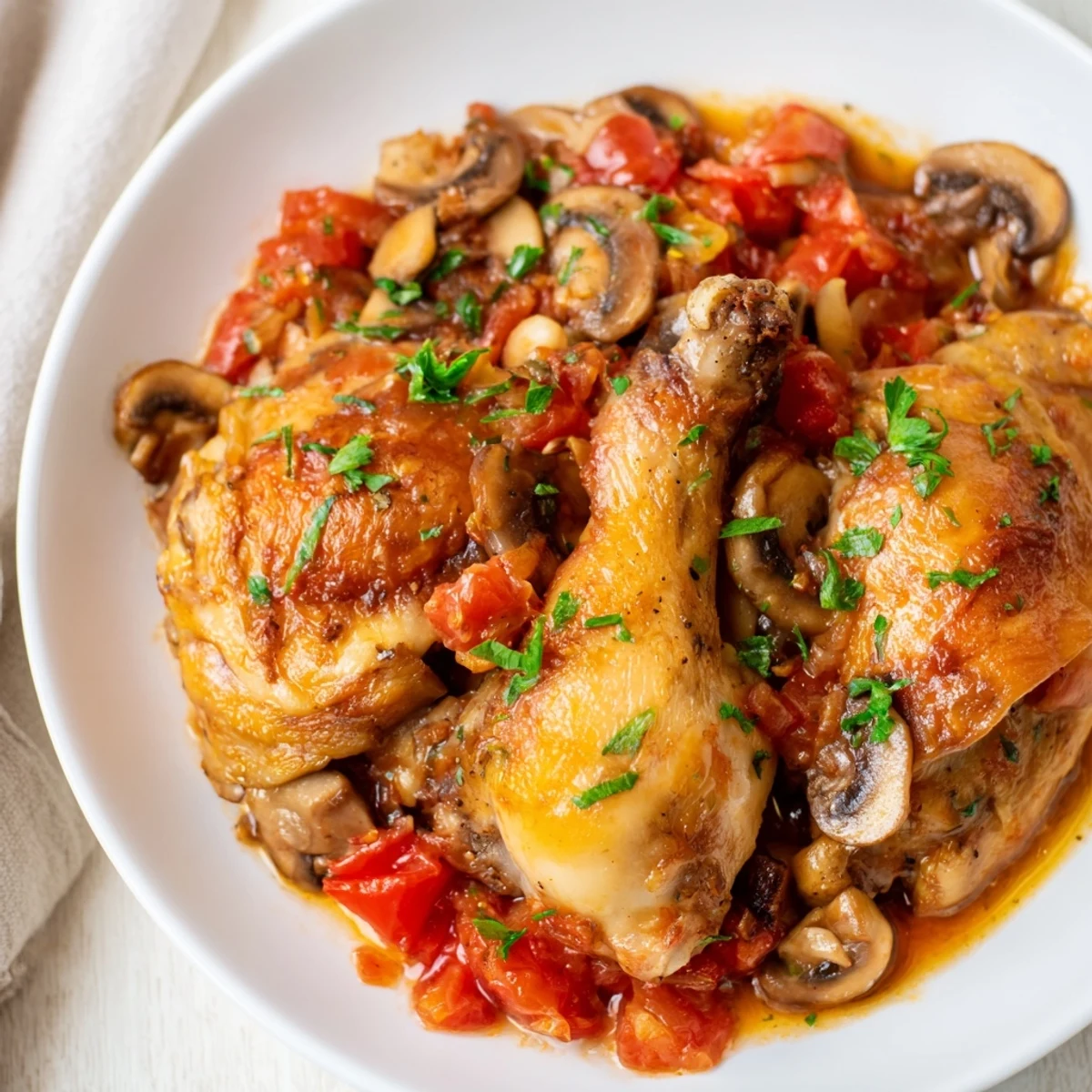
 There was a Sunday when my father in law wandered into the kitchen drawn entirely by the smell, stood over the skillet with a chunk of bread, and started eating the sauce straight before dinner was even ready. I took it as the highest compliment a home cook can receive.
What to Serve Alongside
Buttered egg noodles are the classic pairing because they catch the sauce in their folds, but a pile of steamed rice or a hunk of crusty bread torn from the loaf does the job just as well. I have also spooned it over mashed potatoes on nights that called for something more comforting, and it was a revelation.
Making It Your Own
A splash of brandy added right before the wine gives the sauce a deeper, warmer note that feels distinctly French bistro. You can swap boneless thighs to save time, but cut the simmer down to about twenty five minutes so the meat does not dry out. A handful of olives or a strip of orange peel tossed in during the last ten minutes is not traditional but is absolutely worth trying.
Storing and Reheating
This dish tastes even better the next day once the sauce has had time to settle and deepen, so it is a perfect candidate for making ahead. Store it covered in the refrigerator for up to three days and reheat it gently on the stove with a splash of stock to loosen the sauce.
- Freeze individual portions in airtight containers for up to three months for an instant dinner on busy nights.
- Let it thaw overnight in the fridge rather than microwaving so the chicken stays tender.
- Always taste and adjust the seasoning after reheating because cold dulls flavors more than you expect.
 Pin It
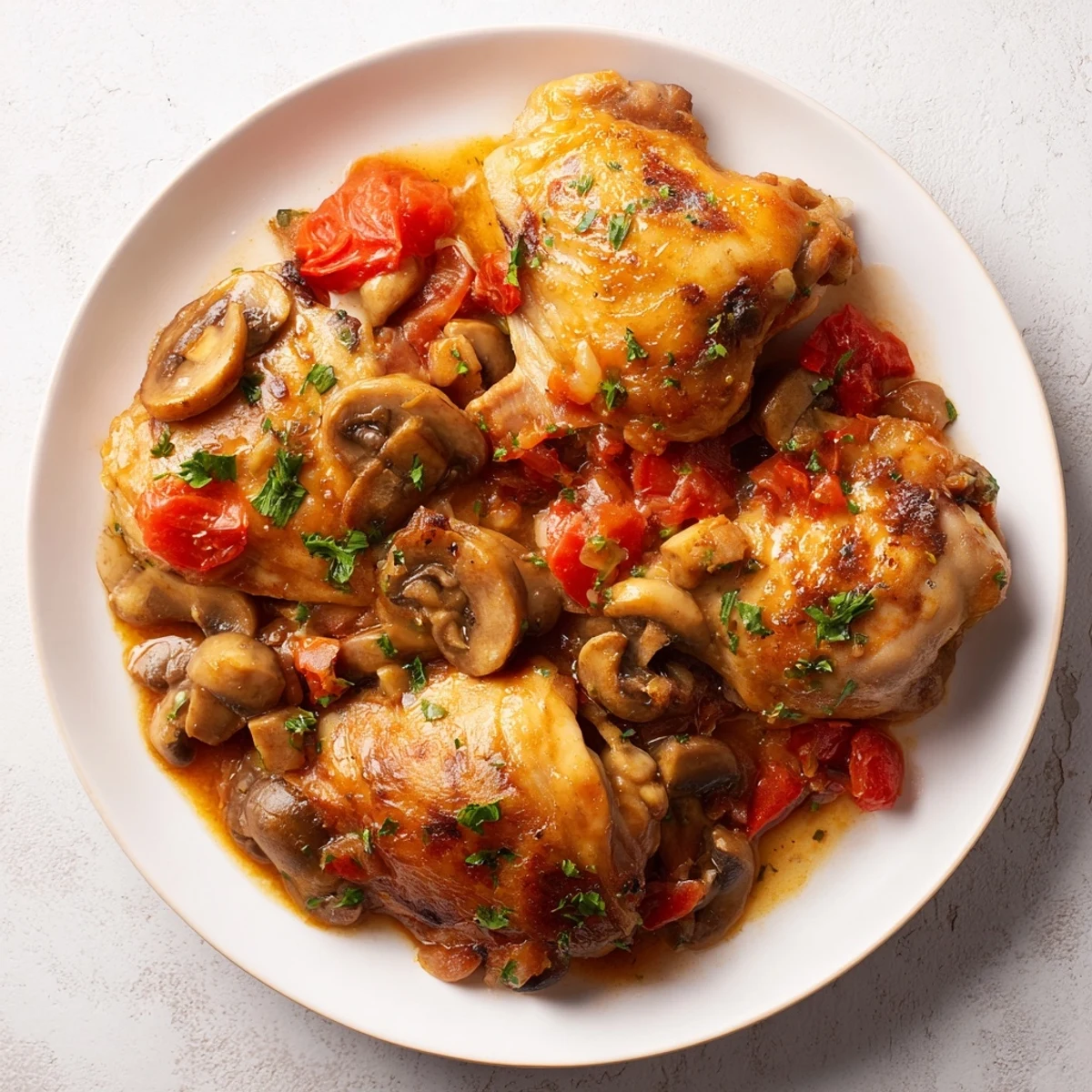
 Some recipes become staples because they are easy, and this one earns its place because it turns a gray Tuesday into something worth sitting down for. Keep a bottle of white wine in the fridge and you are never more than an hour away from a dinner that feels like a gift.
Recipe FAQs
- → Which chicken cuts work best?
-
Bone-in, skin-on thighs and drumsticks deliver the most flavor and stay moist during the 35–40 minute simmer. Boneless thighs can be used but reduce cooking time to avoid overcooking.
- → Can I substitute the white wine?
-
Yes. Use additional chicken stock with a splash of apple cider vinegar or lemon juice to mimic acidity, or choose a dry vermouth if available. Avoid sweet wines to keep the sauce balanced.
- → How do I thicken the sauce?
-
Reduce uncovered for a few minutes to concentrate, or whisk a small slurry of cornstarch and cold water and stir in briefly. Finishing with a knob of butter also yields a silkier mouthfeel.
- → How can I deepen the flavor?
-
Brown the chicken well to develop fond, sear the mushrooms until golden, and consider a quick splash of brandy or a teaspoon of soy sauce before simmering for extra umami.
- → Best side dishes?
-
Butter noodles, steamed rice, or crusty bread are classic pairings. Roasted potatoes or a simple green salad also complement the rich tomato and mushroom sauce.
- → Storage and reheating tips?
-
Cool completely, refrigerate up to 3 days or freeze up to 3 months. Reheat gently over low heat with a splash of stock to loosen the sauce and keep the chicken tender.