
 Pin It
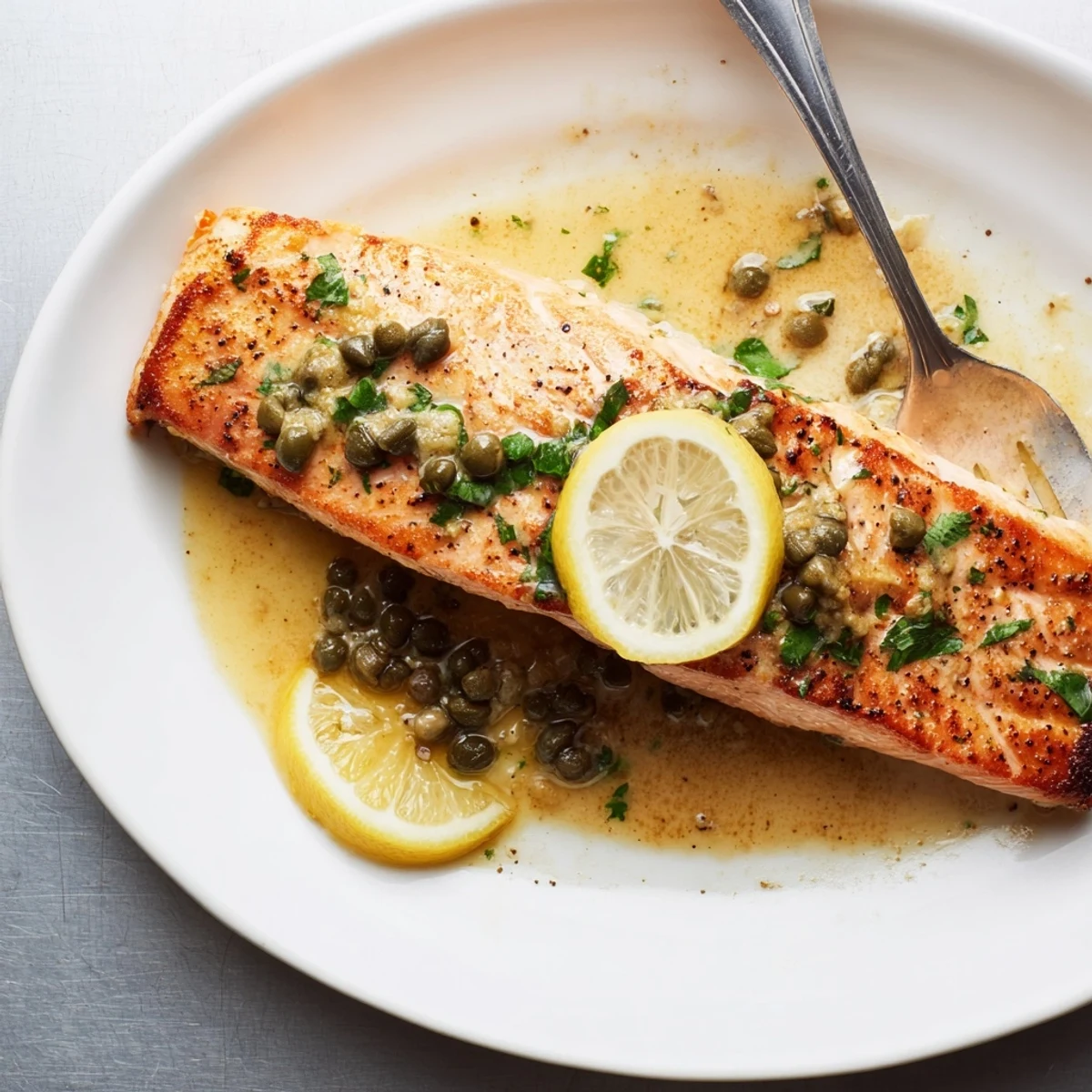
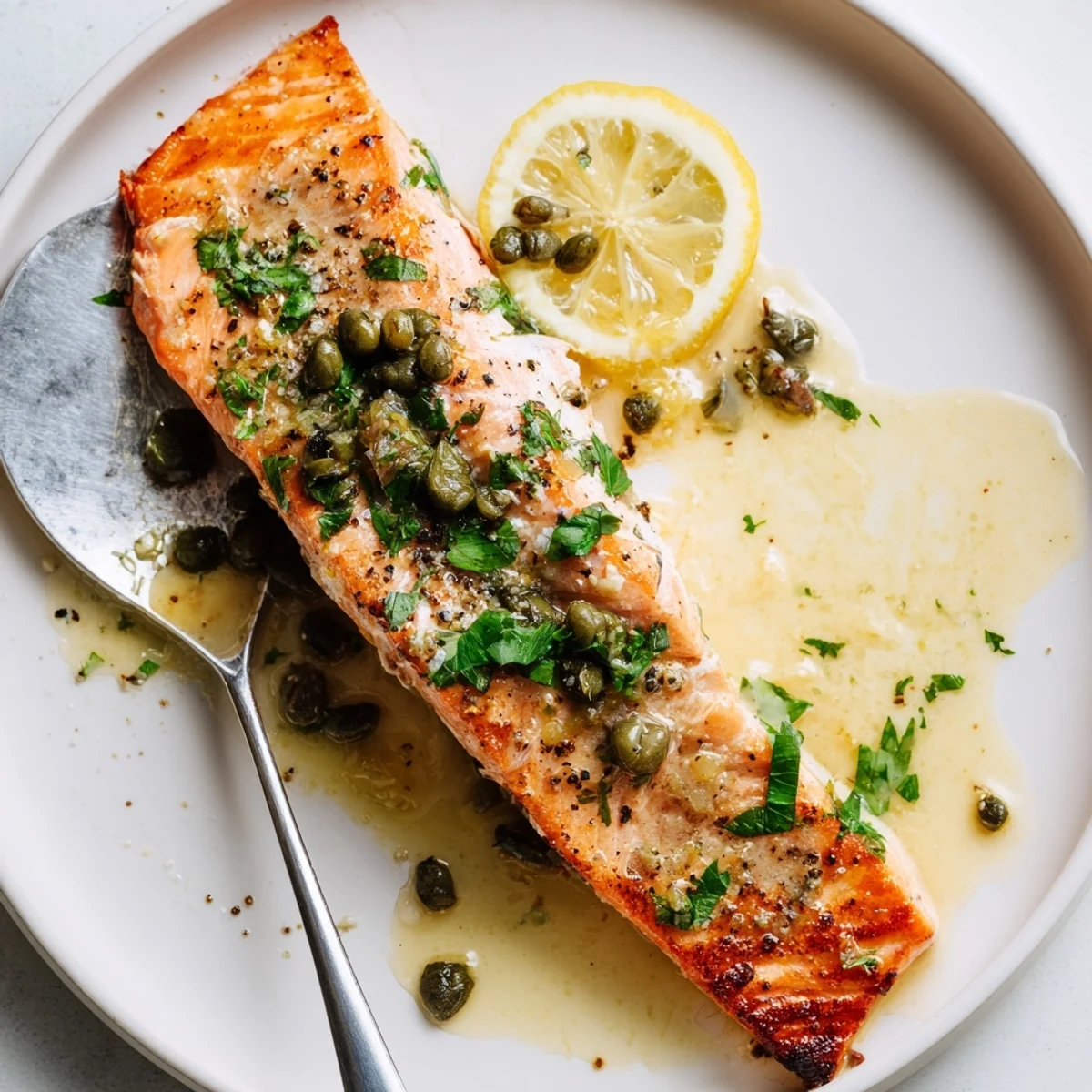
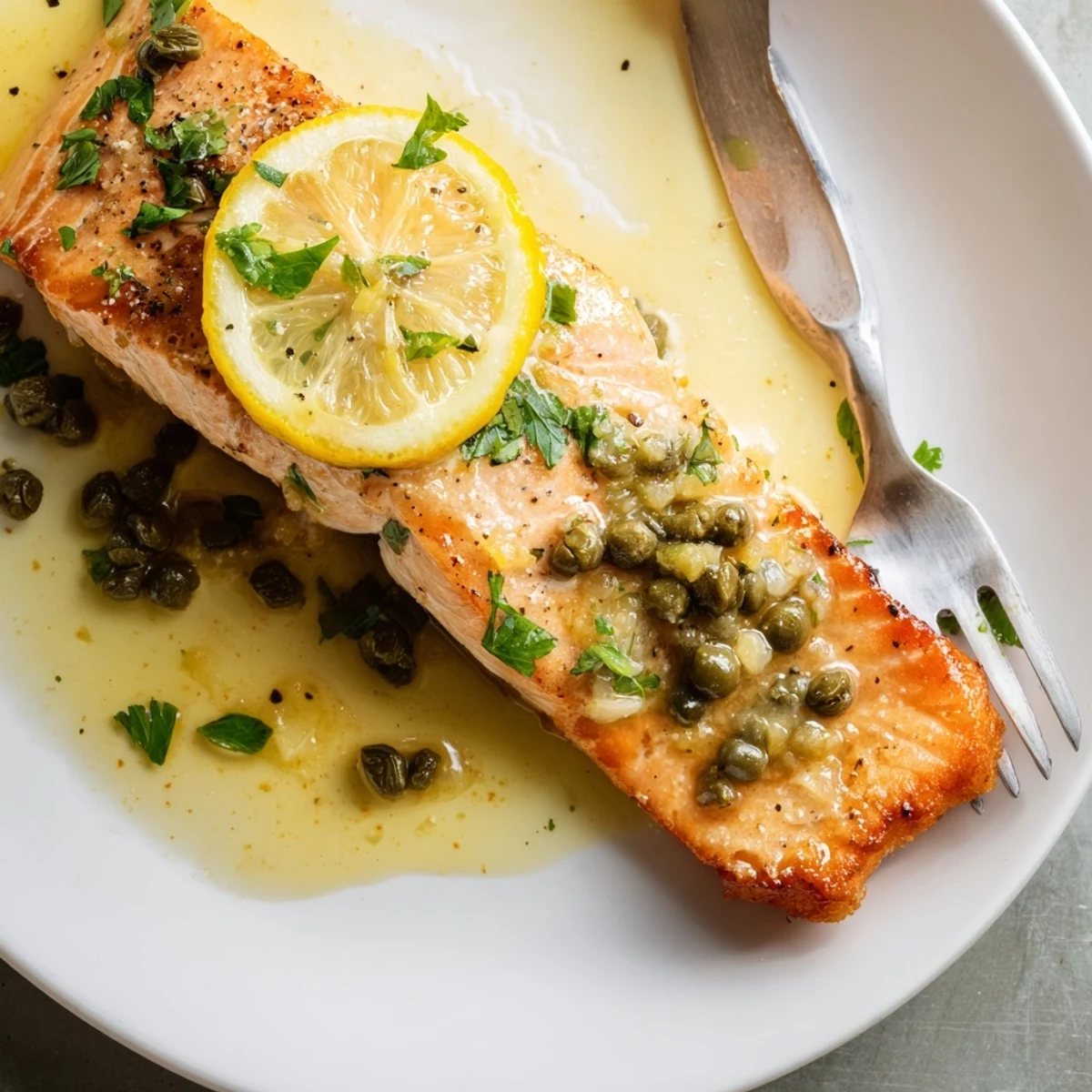
 Pan-seared salmon fillets are seasoned and lightly dredged for a crisp exterior, then cooked until golden. A quick pan sauce of white wine, fresh lemon juice, capers and butter is reduced and spooned over the fish. Ready in about 30 minutes, this lemony, briny preparation pairs well with sautéed greens, steamed beans or angel hair pasta; use gluten-free flour if needed.
The sizzle of salmon hitting a hot pan is one of those sounds that makes everyone in the house wander toward the kitchen. My friend Marco tossed capers into a skillet one rainy Tuesday evening and changed my weeknight dinner game forever. The sauce came together in minutes, bright and briny, pooling around golden fish like something from a restaurant menu. I have been making this on repeat ever since.
I once served this to my mother in law who claims she does not eat fish and she asked for seconds before I even sat down.
Ingredients
- 4 salmon fillets skinless about 150 to 180 g each: Skinless fillets soak up the sauce better and cook more evenly.
- Salt and black pepper: Season generously because the sauce needs that salty foundation.
- 2 tbsp all purpose flour: A light dredge creates a delicate crust that holds the sauce.
- 2 tbsp olive oil: Use a good quality oil since it is the base flavor.
- 2 tbsp unsalted butter: Split between cooking the fish and building the sauce for layered richness.
- 2 garlic cloves minced: Fresh garlic only because the jarred version loses its punch here.
- 120 ml dry white wine: Pinot Grigio or Chardonnay work beautifully and you can sip the rest while cooking.
- 60 ml fresh lemon juice: Roll the lemons on the counter first to get every last drop.
- 3 tbsp capers drained: These little bursts of brine are the soul of piccata.
- 60 ml low sodium chicken or fish broth: Low sodium lets you control the salt level.
- 2 tbsp chopped fresh parsley: Adds color and a fresh finish that brightens the whole plate.
- Lemon slices for garnish: Optional but they make the dish look polished.
Instructions
- Prep the salmon:
- Pat the fillets completely dry with paper towels and season both sides well with salt and pepper. Lightly dredge each one in flour shaking off the excess for a thin even coat that crisps up beautifully.
- Sear the fish:
- Heat olive oil and one tablespoon of butter in a large skillet over medium high heat until the butter stops foaming. Lay the salmon in carefully and cook three to four minutes per side until a deep golden crust forms then transfer to a plate and tent loosely with foil.
- Wake up the garlic:
- Add the remaining butter to the same pan with the minced garlic and stir for about thirty seconds until your kitchen smells incredible.
- Build the sauce:
- Pour in the wine scraping up every caramelized bit stuck to the pan because that is where the flavor lives. Add lemon juice capers and broth then let it simmer two to three minutes until it reduces and slightly thickens.
- Bring it together:
- Nestle the salmon back into the skillet and spoon the bubbling sauce over the top for one to two minutes until everything is warmed through.
- Finish and serve:
- Scatter fresh parsley over the top and tuck lemon slices around the edges. Serve straight from the pan while the sauce is still sizzling.
 Pin It
 The night I realized I could make this from memory without measuring anything was the night I knew it had earned a permanent spot in my rotation.
What to Serve Alongside
Angel hair pasta tossed in a little of that extra sauce is the obvious move and honestly the correct one. Steamed green beans or sauteed spinach also provide a fresh crunch that balances the richness of the fish.
Picking the Right Wine
Whatever you cook with should be something you enjoy drinking because the flavor concentrates as it reduces. A crisp Pinot Grigio keeps things light while a lightly oaked Chardonnay adds a rounder softer edge to the sauce.
Making It Your Own
This recipe is a blueprint that welcomes improvisation once you feel confident with the basic technique.
- Try thin chicken cutlets instead of salmon for a classic piccata twist.
- Add a pinch of red pepper flakes if you want a gentle heat behind the brightness.
- Always let the sauce simmer a minute longer than you think it needs because that extra reduction transforms the flavor.
 Pin It
 Some dinners are about feeding people and some are about slowing down long enough to actually taste what you made. This one manages to do both.
Recipe FAQs
- → How do I get a crisp exterior on the salmon?
-
Pat fillets very dry, season well, and lightly dredge in flour (or gluten-free flour). Heat oil and butter until shimmering and cook without moving for 3–4 minutes per side until golden.
- → Can I skip the flour step?
-
Yes. Omitting the flour yields a softer crust but still cooks through. For a crisp finish without flour, ensure the pan is hot and don’t overcrowd the skillet.
- → What can I use instead of white wine in the sauce?
-
Use low-sodium chicken or fish broth with a splash of extra lemon for acidity, or a nonalcoholic white wine alternative to preserve the bright flavor while keeping the sauce balanced.
- → How do I prevent the sauce from becoming too bitter?
-
Simmer the wine briefly to cook off harsh alcohol notes, and balance lemon with the butter and a little broth. Taste and adjust acidity with an extra knob of butter or a pinch of sugar if needed.
- → What sides pair well with this dish?
-
Sautéed spinach, steamed green beans, roasted potatoes or angel hair pasta work beautifully. Lighter white wines like Chardonnay or Pinot Grigio complement the lemon-caper flavors.
- → How can I ensure the salmon stays moist?
-
Don’t overcook: aim for 3–4 minutes per side depending on thickness. Remove from heat when just opaque and let rest briefly; finishing in the sauce for 1–2 minutes adds moisture and flavor.