
 Pin It
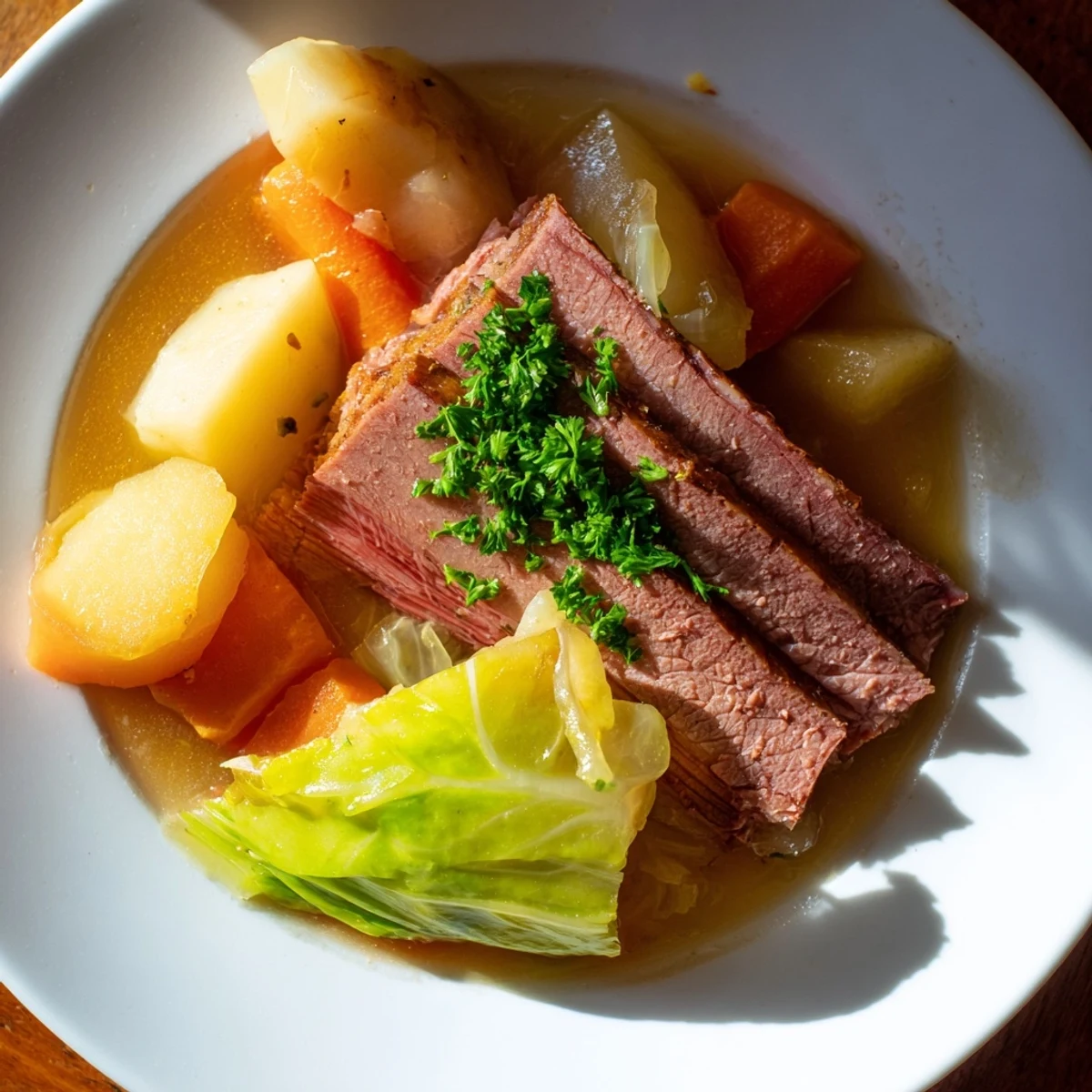
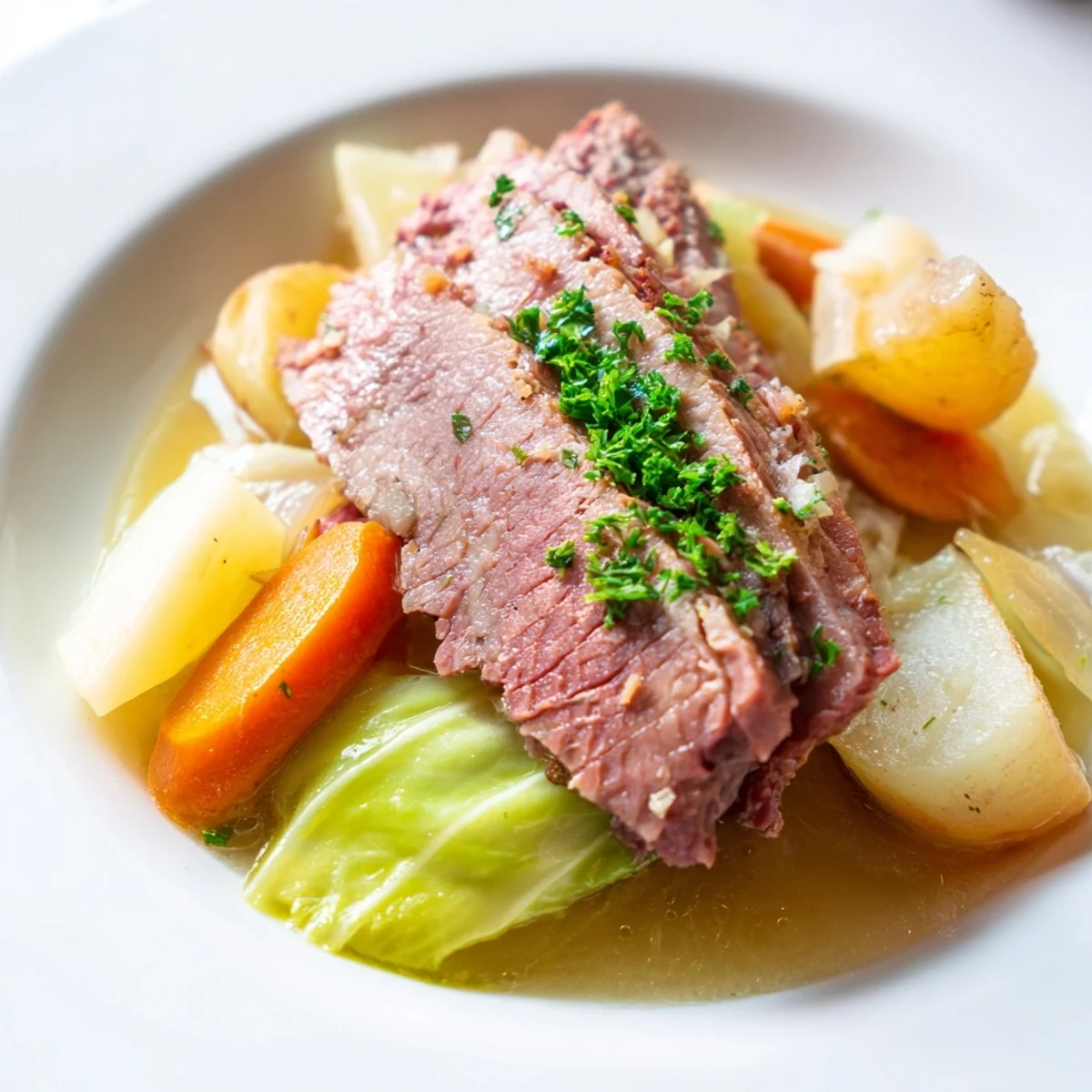
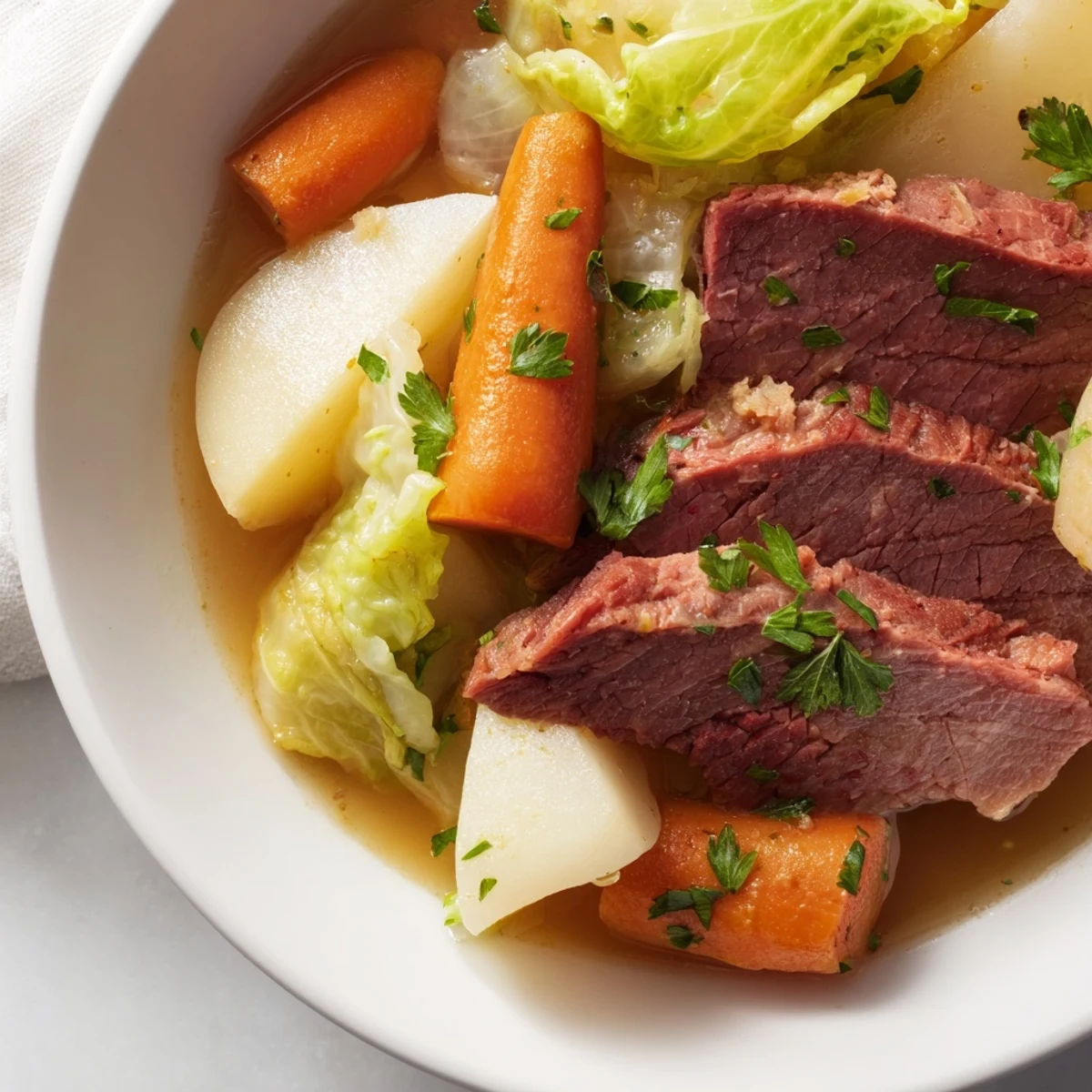
 This method guides you through preparing a delicious halal corned beef brisket, slow-cooked until incredibly tender. You'll start by simmering the pre-cured brisket with aromatic spices like bay leaf, peppercorns, and mustard seeds for two hours. Following this, hearty root vegetables such as carrots, parsnips, potatoes, and rutabaga are added to the pot, continuing to cook until they soften and absorb the rich broth. Finally, cabbage wedges join the mix for the last stretch, ensuring everything is perfectly cooked. The brisket is then sliced against the grain and served alongside the flavorful vegetables, garnished with fresh parsley. This yields a comforting and robust meal.
There’s something about the aroma of slow-cooking brisket that just wraps around you like a warm blanket. I remember the very first time I cooked corned beef, a chilly autumn afternoon, and the way the house slowly filled with the scent of savory spices and tender beef. It was less about precision and more about the anticipation of comfort, a real testament to how a simple meal can transform a day.
A few years back, I decided to make this brisket for a potluck with friends, most of whom had never tried corned beef. Watching their faces light up with that first bite, especially those who were initially skeptical, was incredibly rewarding. The hearty vegetables, soaked in the rich broth, alongside the tender, spiced meat, created a perfect harmony that felt both familiar and exciting.
Ingredients
- Halal Corned Beef Brisket (1.5–2 kg / 3–4 lbs): This is the star of our show; ensure it's certified halal for peace of mind and that it’s pre-cured to give you that classic flavor without extra effort.
- Water (4 cups): Just enough to mostly submerge the brisket, carrying all those lovely flavors.
- Bay Leaf (1): Adds a subtle, earthy backdrop that deepens the overall aroma of the broth.
- Black Peppercorns (1 tsp): For that gentle warmth and classic spice profile that complements the beef perfectly.
- Whole Cloves (3): These little powerhouses lend a distinctive aromatic note, but don't overdo them – a little goes a long way.
- Mustard Seeds (1 tsp): They contribute a faint, tangy spice that pairs wonderfully with corned beef.
- Small Cinnamon Stick (1, optional): Trust me on this one; it adds an unexpected layer of warmth and sweetness, transforming the dish from good to extraordinary.
- Medium Carrots (4, peeled and cut into large chunks): They sweeten the broth as they cook down and provide a lovely pop of color and texture.
- Parsnips (3, peeled and cut into chunks): These root vegetables bring a unique, slightly sweet, and earthy flavor that's just divine with brisket.
- Large Potatoes (2, peeled and quartered): The ultimate comfort food addition, absorbing all the delicious broth and becoming wonderfully tender.
- Medium Rutabaga or Turnip (1, peeled and cut into chunks): Adds a delightful bitter-sweetness and another layer of hearty texture to the vegetable mix.
- Medium Onion (1, peeled and quartered): As it simmers, the onion mellows and sweetens, forming the aromatic backbone of the dish.
- Small Green Cabbage (½, cored and cut into wedges): Added at the end, it retains a bit of bite and its fresh, peppery notes cut through the richness of the meat.
- Salt, to taste: Remember, the brisket is already cured, so taste before adding more; it’s always easier to add than to take away.
- Freshly Ground Black Pepper, to taste: A final flourish that brightens all the flavors.
- Chopped Fresh Parsley (2 tbsp, for garnish): Not just for looks, it adds a lovely freshness and herbaceous lift at the end.
Instructions
- Prepare the Brisket:
- Give your halal corned beef brisket a thorough rinse under cold water; this helps wash away any excess brine. Gently place it into a large pot or Dutch oven, ready for its slow transformation.
- Build the Flavor Base:
- Pour in the water, then scatter the bay leaf, black peppercorns, whole cloves, and mustard seeds around the brisket. If you’re feeling adventurous, tuck in that small cinnamon stick too. Make sure the brisket is mostly covered, adding a little more water if it needs a deeper bath.
- Begin the Simmer:
- Bring everything to a gentle simmer over medium heat, watching for any foam to rise, which you should skim off with a spoon. Once it's simmering beautifully, reduce the heat to low, cover the pot tightly, and let it cook undisturbed for a good two hours.
- Introduce the Root Vegetables:
- After the initial two hours, carefully add your chunky carrots, parsnips, potatoes, and rutabaga or turnip, along with the quartered onion, into the pot. Replace the lid and let them simmer together for another 45 minutes, allowing them to soften and absorb the broth’s flavors.
- Add the Cabbage:
- Finally, nestle the cabbage wedges into the pot. Cover it once more and continue cooking for an additional 20–30 minutes, or until both the meat and all the vegetables are fork-tender.
- Rest and Slice:
- Carefully remove the brisket from the pot and let it rest on a cutting board for about 10 minutes; this crucial step keeps it juicy. Then, slice it against the grain into beautiful, tender pieces.
- Serve It Up:
- Arrange the sliced brisket and colorful vegetables generously on a serving platter. Ladle a little of that glorious broth over the top and sprinkle with fresh chopped parsley for a pop of green and freshness.
- Final Seasoning:
- Before serving, taste and adjust with salt and pepper as needed. Dish it out hot and watch everyone dig in.
 Pin It
 This brisket holds a special place in my heart, reminding me of cozy winter evenings spent with loved ones, the clinking of forks, and happy chatter filling the air. It’s more than just a meal; it’s a centerpiece that brings people together, evoking a sense of warmth and belonging. Every time I prepare it, I feel a connection to those cherished memories and the simple joy of sharing good food.
The Joy of Simplicity
Sometimes, the most impressive dishes are the ones that require the least hands-on intervention. This recipe is a perfect example; once you get it simmering, your kitchen does most of the work. That slow, gentle heat transforms tough cuts into melt-in-your-mouth tenderness, making it ideal for busy weekends when you want something spectacular without being tied to the stove.
Flavor Enhancements & Pairings
While the spices in this recipe are classic, don't hesitate to play around. A few sprigs of fresh thyme or a spoonful of coriander seeds added to the broth can lend a beautiful, nuanced depth. For serving, traditional accompaniments like a good spicy mustard or a dollop of creamy horseradish are fantastic. You can also offer some crusty halal bread to soak up every last drop of that incredible broth.
Making the Most of Your Meal
One of the best things about cooking a large cut of meat like brisket is the wonderful leftovers you'll have. This dish truly gets better with age, as the flavors meld and deepen overnight. Don't be afraid to make a little extra; future-you will thank current-you.
- Thinly slice any remaining brisket for amazing sandwiches the next day, perhaps with a touch of Swiss cheese.
- Chop up the leftover meat and vegetables to create a hearty corned beef hash, perfect for breakfast or brunch.
- Portion out and freeze individual servings of brisket and vegetables for quick, comforting meals on busy weeknights.
 Pin It
 This corned beef brisket recipe is more than just a list of instructions; it’s an invitation to create warmth, flavor, and lasting memories in your own kitchen. Enjoy every comforting bite, from preparation to the very last spoonful.
Recipe FAQs
- → What kind of beef is best for this brisket?
-
For this preparation, you'll need a halal-certified corned beef brisket, typically pre-cured with permissible spices. Ensure it's about 1.5–2 kg (3–4 lbs) for the best results.
- → Can I add other vegetables to the pot?
-
Absolutely. While carrots, potatoes, and parsnips are classic, you could also include turnips, sweet potatoes, or even celery. Just ensure they are cut into similarly sized chunks for even cooking.
- → How do I know when the brisket is fully cooked?
-
The brisket should be fork-tender, meaning a fork can easily pierce and twist a piece of the meat. After the initial two hours, continue cooking with the vegetables until it reaches this desired tenderness, typically another 45-60 minutes.
- → What's the best way to slice the cooked brisket?
-
Always let the brisket rest for at least 10 minutes after removing it from the pot. Then, slice it against the grain. This ensures the meat remains tender and not stringy, making it easier to chew and more enjoyable.
- → Can I prepare this meal in a slow cooker?
-
Yes, this dish adapts well to a slow cooker. Follow similar steps, cooking on low for 6-8 hours or high for 3-4 hours, adding vegetables in the last 1-2 hours of cooking, depending on their desired tenderness.