
 Pin It
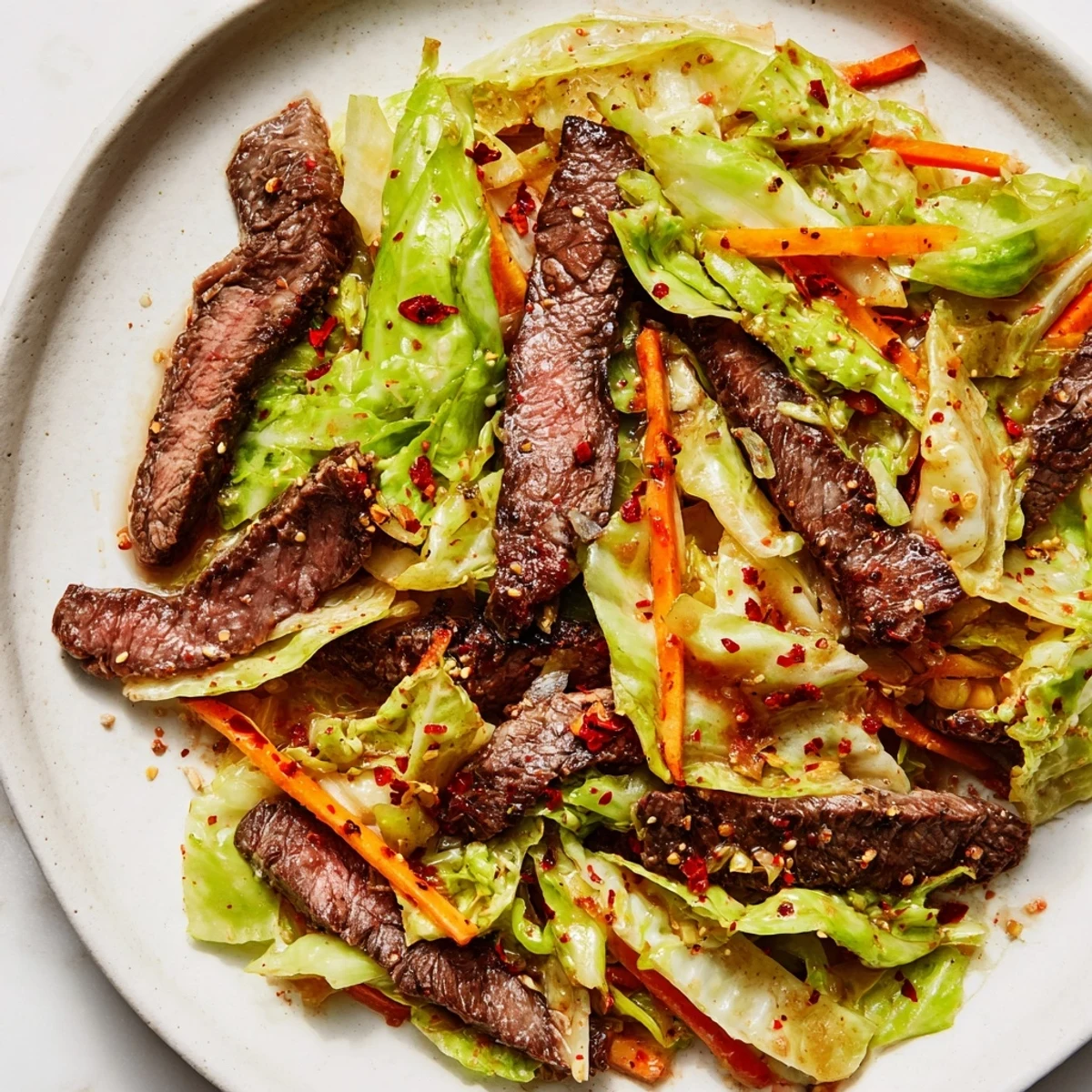
 This dish combines tender slices of beef with crisp cabbage, garlic, and fresh ginger for a quick low-carb meal. Stir-fried in sesame oil and seasoned with soy sauce and rice vinegar, it brings vibrant Asian-inspired flavors to your table. Easily customized with optional chili flakes or sweetener, it’s a balanced and satisfying option ready in 30 minutes.
There's something about the sizzle of hot oil hitting a wok that makes me feel like I'm cooking something worth the effort, and this beef and cabbage stir fry does exactly that. I discovered this dish on a random Tuesday when I wanted something that tasted restaurant-quality but wouldn't derail my low-carb goals. The beauty of it is how the tender beef and crisp cabbage come together in minutes, filling your kitchen with that savory, ginger-forward aroma that makes everyone pause and ask what you're making.
I made this for my friend who'd just started keto and was worried she'd be stuck eating plain chicken and lettuce forever. Watching her face light up when she tasted the umami-rich sauce and realized how flavorful low-carb cooking could be was one of those small kitchen victories that stuck with me. She's made it at least a dozen times since.
Ingredients
- Flank steak or sirloin, 450 g (1 lb), thinly sliced across the grain: Slicing against the grain is the secret to tender bites, even with a lean cut; I learned this the hard way after a chewy first attempt and never went back.
- Green cabbage, 1 small head (about 700 g), cored and thinly sliced: The thinness matters because it allows the cabbage to soften just enough while staying crisp, which is the whole point.
- Green onions, 3, sliced: Save the white parts for cooking and the green tops for garnish; this small separation makes the flavor profile feel intentional.
- Garlic, 2 cloves, minced: Fresh is non-negotiable here because garlic powder will taste flat against the ginger and sesame.
- Fresh ginger, 1 tbsp, grated: Buy it fresh and grate it yourself; the flavor is brighter and more alive than pre-ground.
- Soy sauce or tamari (gluten-free), 3 tbsp: Tamari tastes slightly mellower and works beautifully if anyone at your table has gluten sensitivities.
- Sesame oil, 1 tbsp: This is an accent, not the cooking oil, so a little goes a long way and your wok won't smoke out.
- Rice vinegar, 1 tbsp: It brightens the sauce without adding sweetness, which is exactly what we need here.
- Ground black pepper, 1/2 tsp: Freshly cracked tastes noticeably better than pre-ground if you have a mill.
- Chili flakes (optional), 1/2 tsp: This is your control for heat; start with less and add more if you want to turn up the fire.
- Erythritol or preferred keto sweetener (optional), 1 tbsp: Just a touch to balance the savory elements, not to make it sweet.
- Avocado oil or light olive oil for cooking, 2 tbsp: Avocado oil handles high heat better and has a cleaner taste, but either works.
Instructions
- Make your sauce first:
- Whisk soy sauce, sesame oil, rice vinegar, black pepper, chili flakes, and sweetener together in a small bowl and set it aside. This way nothing burns while you're multitasking, and the flavors have a moment to get acquainted.
- Get your wok screaming hot:
- Heat 1 tablespoon oil in a large wok or skillet over high heat until you see wisps of smoke. This is not the time to be timid; the heat is what gives the beef that beautiful seared edge.
- Cook the beef until it's just done:
- Add the sliced beef and let it sit for 30 seconds before stirring, which helps it brown instead of steam. Stir fry for 2 to 3 minutes total until the outside is browned and the inside is still tender, then pull it out onto a plate.
- Build flavor with aromatics:
- Add the remaining oil, then toss in the garlic, ginger, and white parts of the green onions. Stir constantly for about 30 seconds until the kitchen smells amazing and everything is golden and fragrant.
- Soften the cabbage:
- Add all your sliced cabbage and carrot (if using) and keep the heat high. Stir fry for 3 to 5 minutes, tossing every 30 seconds or so, until the cabbage has softened just enough to lose its raw edge but still has a little snap to it.
- Bring it all together:
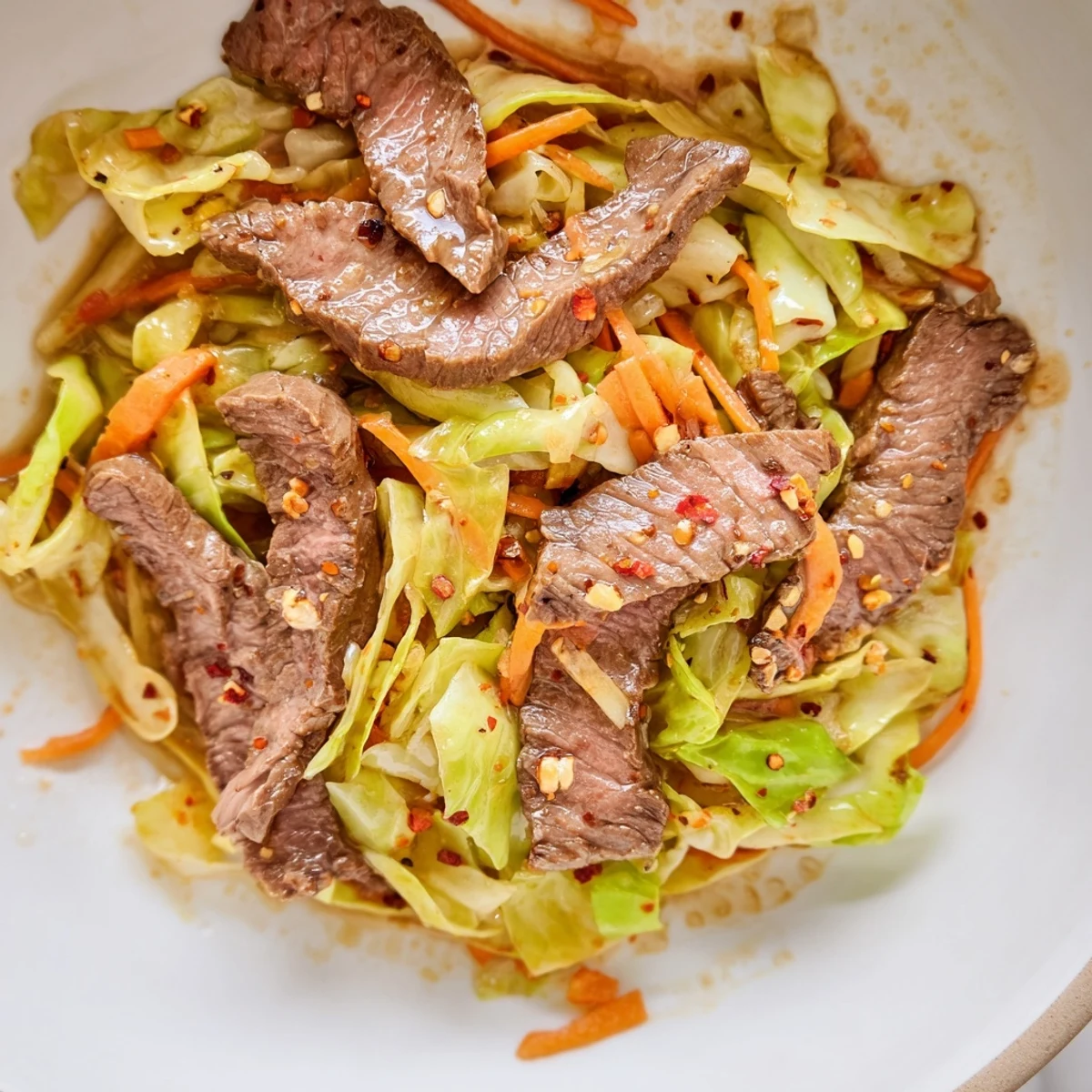
- Return the beef to the pan, pour the sauce over everything, and toss for another 1 to 2 minutes until the sauce is sticky and everything is heated through. Taste as you go because every stove is different and you might want to adjust seasonings.
- Finish and serve:
- Scatter the green onion tops over the top, give it one more toss, and serve right away while everything is hot and the cabbage still has character.
 Pin It
 My partner came home from work one evening to find me standing at the stove with my eyes watering from the steam, tasting the sauce and adjusting the balance of salty and sour and spicy all at once. He watched me plate it up and sat down expecting another health-food obligation, but after the first bite he just said, "This is actually restaurant good," which somehow meant more than any compliment about how healthy it was.
Why This Stir Fry Works for Keto
When you're eating keto, you're trading bread and rice for volume in other places, and cabbage is secretly one of the most satisfying vegetables to pile on a plate. It has enough texture and substance to feel like a real meal, and when it's cooked quickly over high heat, it develops a slight caramelization that tastes almost indulgent. The beef brings serious protein and fat, which keeps you full for hours, and the sauce is savory and deep enough that you don't miss any sweetness.
Making It Your Own
The beauty of this recipe is how forgiving it is once you understand the basic technique. I've made it with different proteins like pork or chicken, and it's equally good. The cabbage is the constant because it's cheap, keeps well, and absorbs flavor like nothing else. You can play with the heat level, the sweetness balance, or even the sauce base depending on what you have in your pantry and what you're craving that day.
Storage and Serving Ideas
Leftovers keep in the fridge for four days and reheat beautifully in a skillet with a splash of water to loosen up the sauce. I've also frozen portions in containers and pulled them out on nights when cooking felt impossible, and they thawed and warmed through without losing much character. Some people serve it with cauliflower rice to add even more volume, or simply on its own as a filling bowl.
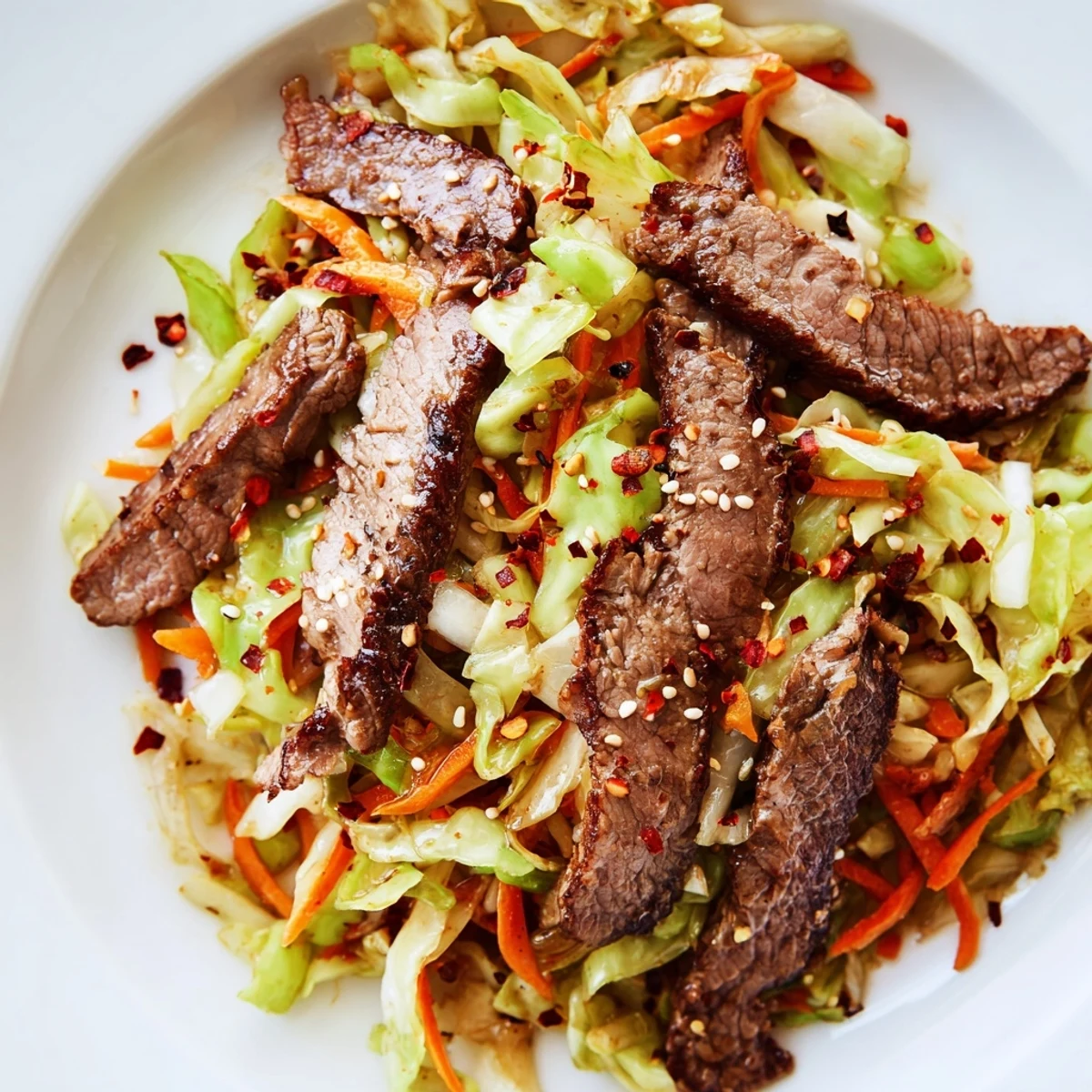
- Serve with toasted sesame seeds sprinkled on top for a nutty finish and extra textural contrast.
- A drizzle of sriracha on the side lets everyone control their own heat level without affecting the base recipe.
- Keep fresh cilantro or basil on hand if you want to add a bright, herby note at the very end.
 Pin It
 This stir fry has become one of those recipes I reach for when I want to feel like I'm taking care of myself without it feeling like a sacrifice. It's quick, it tastes like someone who knows what they're doing made it, and it fits perfectly into the way I actually want to eat.
Recipe FAQs
- → What cut of beef works best?
-
Flank steak or sirloin sliced thinly across the grain cooks quickly and stays tender.
- → Can I substitute regular soy sauce?
-
Yes, tamari is a gluten-free alternative, or coconut aminos for soy-free versions.
- → How to keep cabbage crisp-tender?
-
Stir fry cabbage for 3-5 minutes; it should be soft yet retain some crunch.
- → What oil is recommended for cooking?
-
Avocado oil or light olive oil works well for high-heat stir frying.
- → How to adjust heat in the dish?
-
Add chili flakes or fresh chili to increase spiciness according to taste.
- → Can I add other vegetables?
-
Yes, optional additions include julienned carrot, bean sprouts, or bell pepper for color and crunch.