
 Pin It
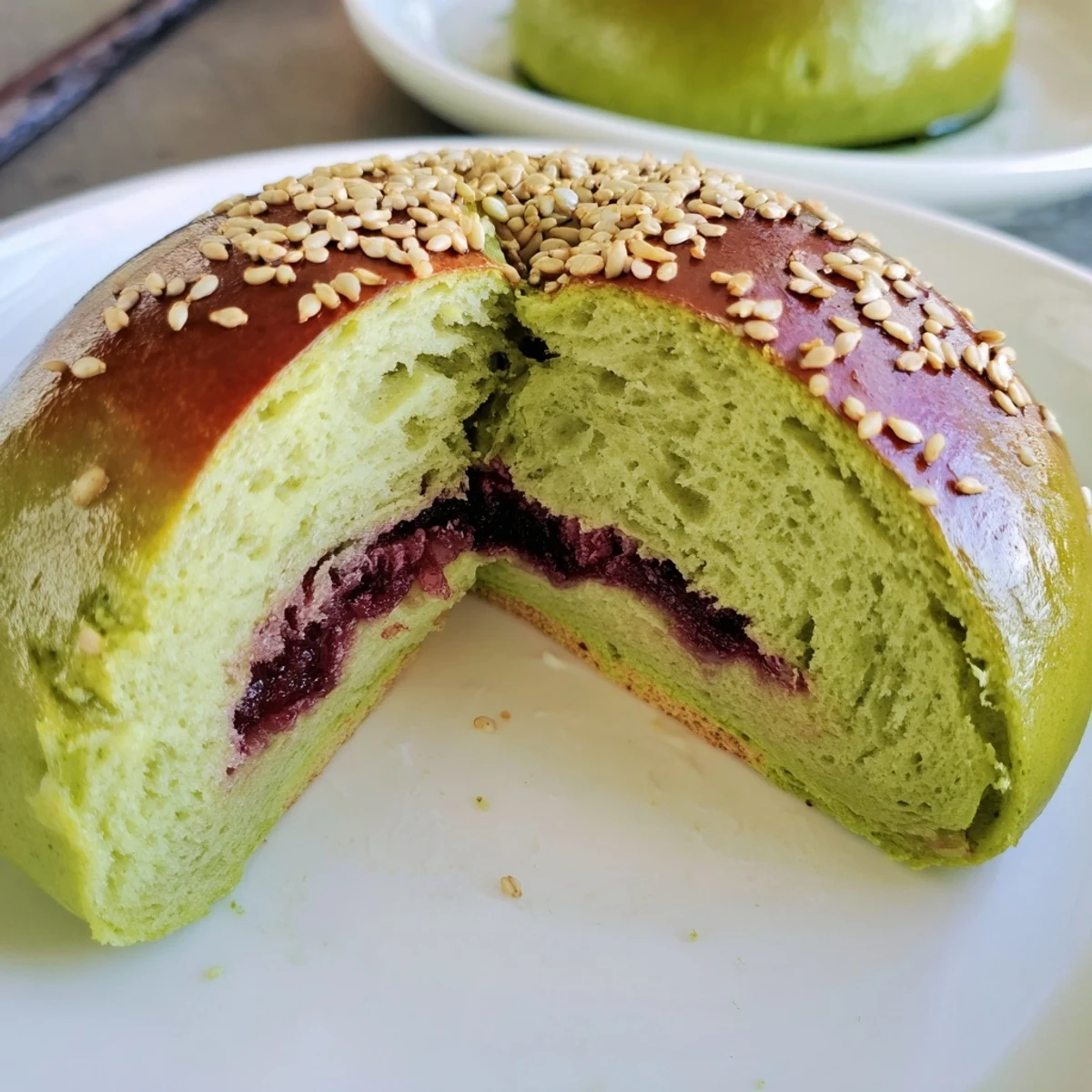
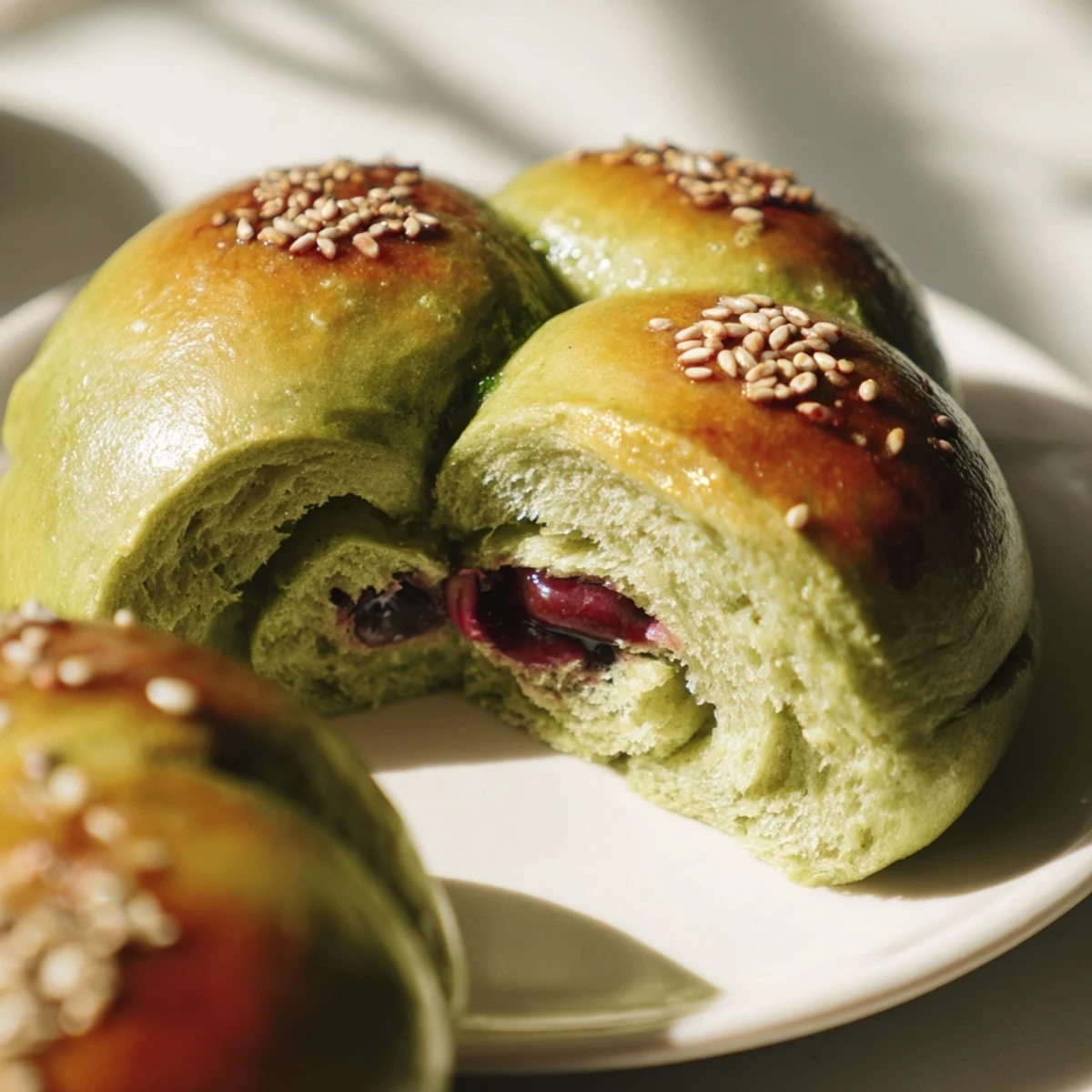
 These soft, pillowy buns combine the earthy notes of premium matcha green tea powder with sweet traditional red bean paste filling. The dough achieves perfect texture through careful kneading and two rising periods, resulting in light, airy creations that melt in your mouth. Each golden bun offers beautiful contrast between the subtly bitter matcha exterior and lusciously sweet anko center—classic Japanese flavors harmoniously balanced.
The first time I made these matcha red bean buns, my kitchen smelled like a Japanese tea house and my hands were stained green from the matcha powder. I'd been obsessed with finding the perfect balance between earthy matcha and sweet red bean filling, and after three attempts that were either too bitter or too sweet, I finally nailed it. When my roommate took her first bite, she literally stopped mid-sentence and closed her eyes, which I took as the highest possible compliment.
Last autumn, I brought a batch of these to a friend's picnic in Golden Gate Park. We sat on a blanket watching the fog roll in, passing around the warm buns and debating whether they counted as breakfast or dessert. By the time we'd eaten half the batch, we decided they worked perfectly for both.
Ingredients
- Bread flour: This higher protein flour creates that signature fluffy texture that regular all purpose flour just cant match
- Matcha powder: Splurge on ceremonial grade here because cheaper versions taste grassy and bitter
- Instant yeast: No need to proof it first which saves time and reduces steps where things can go wrong
- Whole milk: I tried water once and the buns came out dense so always use dairy for the tenderest crumb
- Unsalted butter: Softened to room temperature so it incorporates into the dough without leaving greasy pockets
- Sweetened red bean paste: Homemade is wonderful but store bought works perfectly if you find a quality brand
Instructions
- Mix the dry foundation:
- Whisk together bread flour, matcha powder, sugar, yeast, and salt in a large bowl until evenly combined and the mixture turns a vibrant pale green
- Bring it together:
- Pour in lukewarm milk and crack in the egg, then mix with your hands until you have a shaggy, slightly sticky dough that holds together when squeezed
- Knead until smooth:
- Add softened butter and continue kneading by hand for 10 minutes until the dough transforms from tacky to silky smooth and springs back when poked
- First rise:
- Shape dough into a ball, place in a greased bowl, cover with plastic wrap, and let rise in a warm spot until doubled, about 1 hour
- Divide and fill:
- Punch down dough, divide into 12 equal pieces, roll each into a smooth ball, then flatten into discs and add a tablespoon of red bean paste to each
- Seal like a pro:
- Gather edges of each disc around the filling and pinch tightly to seal, then place seam side down on a parchment lined baking sheet
- Second rise:
- Cover loosely with a towel and let buns puff up for 40 minutes until they look pillowy and have grown noticeably
- Glossy finish:
- Whisk egg yolk with milk, gently brush the tops of each bun, and sprinkle with sesame seeds if you want that bakery look
- Bake until golden:
- Bake at 350F for 18 to 20 minutes until the buns are lightly golden and sound hollow when tapped on the bottom
 Pin It
 My grandmother tried one of these and immediately asked for the recipe, but she kept calling them green hamburger buns. I've since made them for her birthday three years running, and she now pretends she knew what matcha was all along.
Getting That Perfect Rise
I've learned the hard way that cold rooms are the enemy of fluffy bread. If your kitchen runs cool, try preheating your oven to 200F for 2 minutes, turning it off, and letting the dough rise inside. The consistent warmth makes such a difference in the final texture.
Filling Variations That Work
While red bean is traditional, I've accidentally discovered amazing alternatives. Cream cheese mixed with a little white chocolate creates this incredible cheesecake inspired filling, and chocolate hazelnut spread works surprisingly well with the earthy matcha dough.
Storage And Reheating Secrets
These buns are best enjoyed fresh, but life doesn't always work that way. Store them in an airtight container for up to 2 days at room temperature. For longer storage, freeze individually wrapped and reheat in the microwave for 20 seconds, then toast them briefly to restore that freshly baked exterior crunch.
- Wrap frozen buns in a paper towel before microwaving to prevent sogginess
- A quick 2 minute toast in the oven at 350F brings back that just baked texture
- Never refrigerate these buns as the cold makes the starch retrograde and they'll turn stale overnight
 Pin It
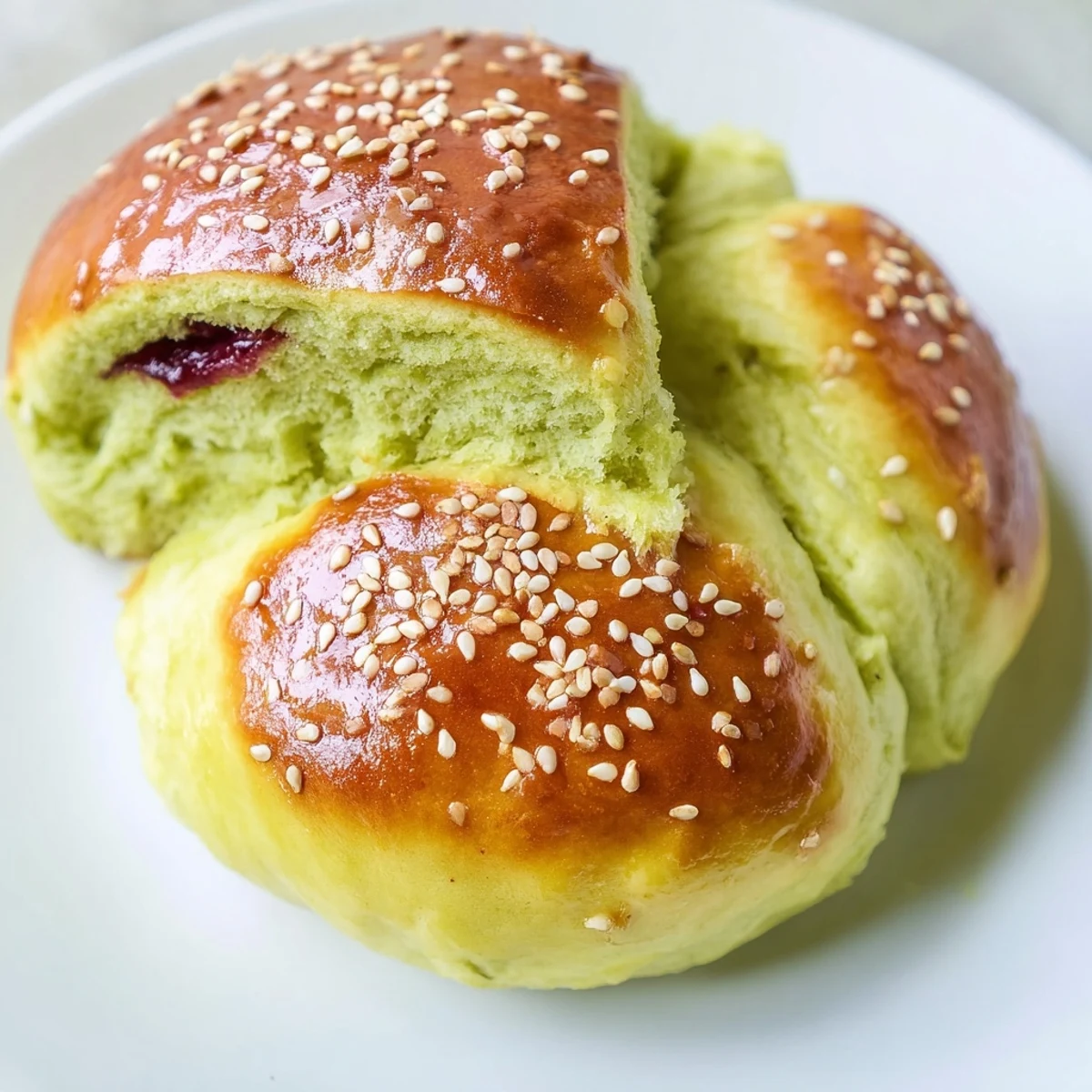
 There's something incredibly satisfying about pulling these matcha speckled buns out of the oven, and I hope they bring as much joy to your kitchen as they've brought to mine.
Recipe FAQs
- → What makes these buns so soft and fluffy?
-
The combination of bread flour, proper kneading to develop gluten, and two rising periods creates the pillowy texture. Whole milk and enriched butter add tenderness while the steam from baking creates lift.
- → Can I make the dough ahead of time?
-
Yes, prepare the dough through the first rise, then refrigerate overnight. Let it come to room temperature before shaping and filling. The cold fermentation actually enhances flavor development.
- → Where can I find red bean paste?
-
Look for sweetened red bean paste (anko) in Asian grocery stores, international aisles, or online. You can also make it from scratch using adzuki beans, though store-bought works perfectly.
- → How do I prevent the filling from leaking during baking?
-
Ensure the dough edges are pinched tightly together to seal completely. Place buns seam-side down on the baking sheet. Don't overfill—about one tablespoon per bun is ideal.
- → Can I freeze these buns?
-
Absolutely. Cool completely, wrap individually in plastic, then freeze in a freezer bag for up to 3 months. Thaw at room temperature and briefly reheat in the oven to refresh texture.
- → What can I use instead of matcha powder?
-
Hojicha powder provides a lovely roasted tea alternative. Cocoa powder creates chocolate buns, or simply omit the powder entirely for classic plain buns with red bean filling.