
 Pin It
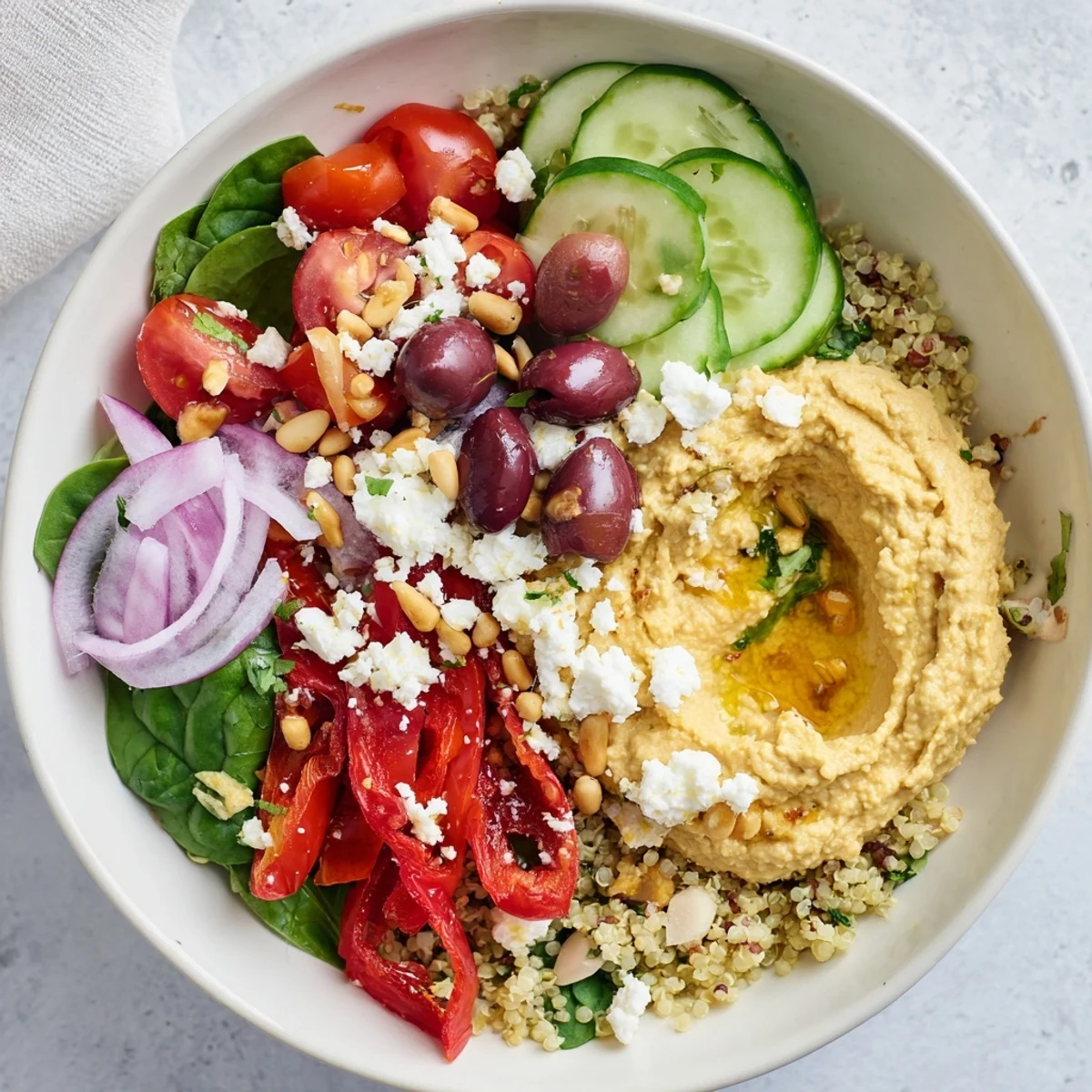
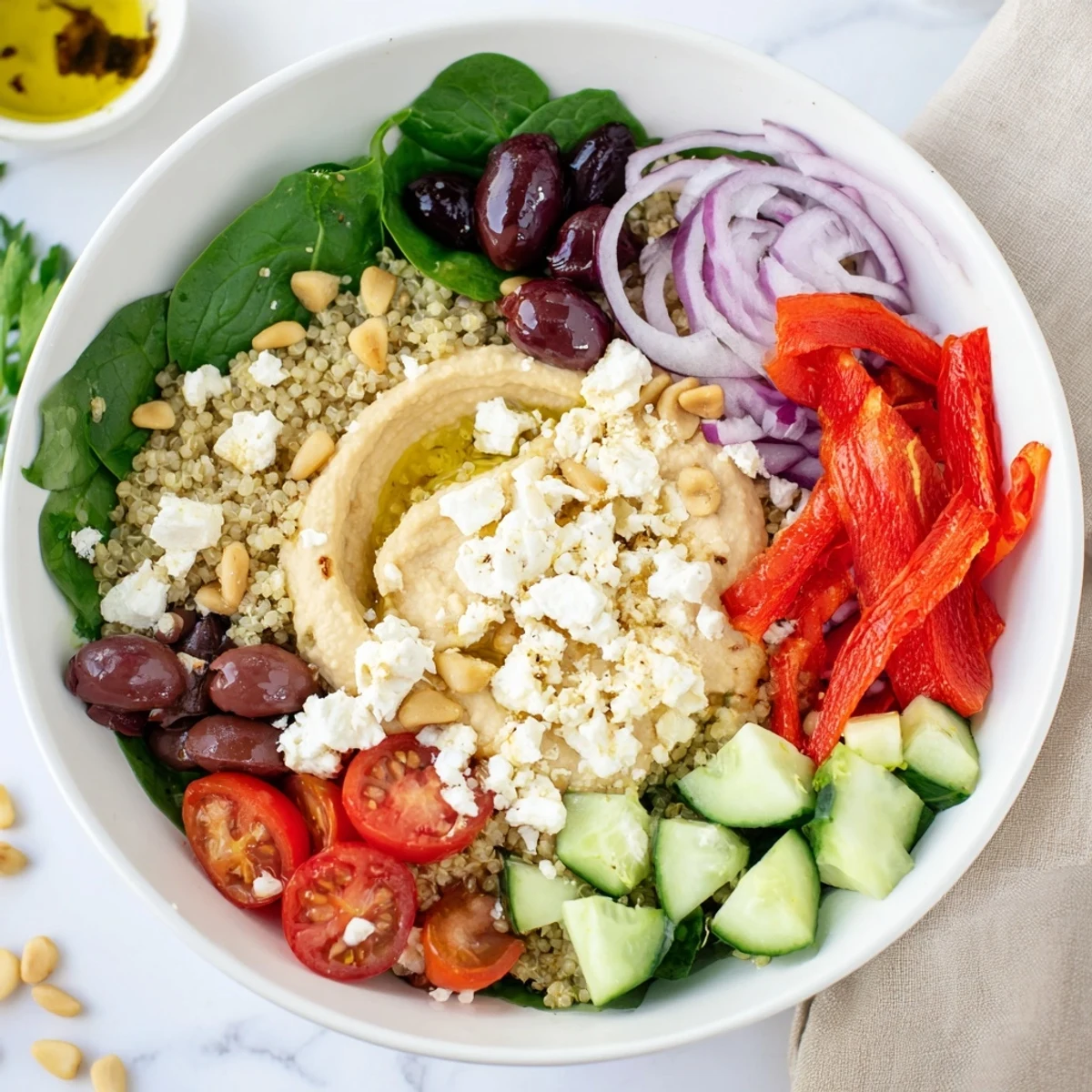
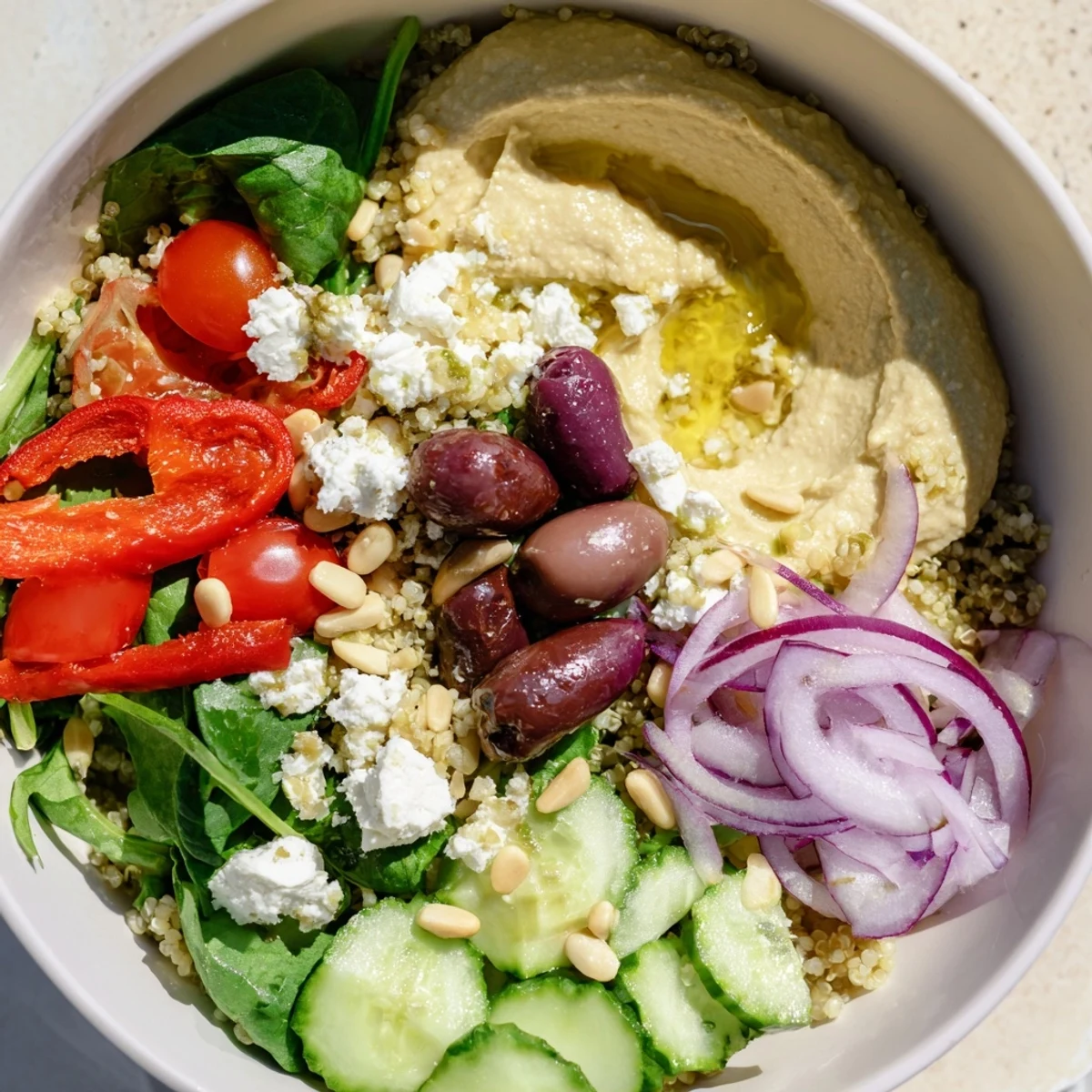
 This Mediterranean bowl combines smooth hummus with fresh cherry tomatoes, cucumber, red onion, and leafy greens. It’s topped with Kalamata olives, feta, roasted red peppers, pine nuts, and fresh parsley. A simple olive oil and lemon dressing ties the flavors together, creating a bright and satisfying dish. Serve it as a light lunch or dinner with optional grains like brown rice or quinoa for added heartiness.
There's something almost meditative about assembling a hummus bowl—the way the creamy, garlicky base becomes a canvas for whatever you have on hand. I stumbled into making these regularly during a particularly hectic summer when my farmer's market haul kept outpacing my meal-planning skills, and I needed something that felt both nourishing and effortless. These bowls somehow turned my grocery anxiety into something I actually looked forward to eating. Now they're my go-to when I want something that tastes intentional without demanding much from me.
I made these for a small dinner party once, setting out all the components family-style so everyone could build their own, and it became one of those meals where people lingered at the table longer than expected. There's something about giving people permission to customize that makes eating together feel less like an obligation and more like play.
Ingredients
- Hummus: The backbone of everything—use a brand you genuinely like, or make your own if you're in the mood; store-bought works beautifully and there's no shame in that.
- Brown rice or quinoa: Optional but transforms this from a side dish into something hearty enough for dinner; I tend to use whatever's already cooked in my fridge.
- Cherry tomatoes: Halve them just before serving so they stay bright and don't weep into the hummus.
- Cucumber: Dice it into neat pieces that feel good to eat; watery cucumbers can be patted dry if you're worried about sogginess.
- Red onion: Slice it thin and don't skip this—that sharp bite is what makes everything else taste more of itself.
- Baby spinach or mixed greens: Fresh greens add a peppery note and make the whole bowl feel fresher than it has any right to.
- Kalamata olives: Pit them yourself if you can; the flavor is more intense and they feel less industrial than pre-pitted ones.
- Feta cheese: Crumble it by hand so the pieces are irregular and visible; it matters more than you'd think.
- Roasted red peppers: Jarred ones work fine, though the ones you roast yourself have a subtly deeper flavor.
- Toasted pine nuts: Toast them yourself in a dry pan for just a couple of minutes—they go from ordinary to almost buttery that way.
- Fresh parsley: Chop it just before serving; fresh herbs make the whole dish feel alive.
- Extra virgin olive oil: This is where flavor lives in a bowl like this, so use something you'd actually want to drizzle on bread.
- Lemon juice: Fresh lemon, always; bottled tastes thin and sad by comparison.
- Garlic and sea salt: The dressing needs both to sing; don't underestimate how much a single clove of garlic can brighten everything.
Instructions
- Whisking the dressing:
- In a small bowl, whisk together the olive oil, lemon juice, minced garlic, salt, and pepper until it emulsifies slightly and tastes bright enough that you'd want to drink it. This only takes a minute and transforms from separate ingredients into something cohesive and alive.
- Building the base:
- Spoon hummus evenly into four bowls, creating a little well in the center if you're feeling fancy. If you're using rice or quinoa, layer that first so it acts as a cushion between the bowl and the hummus.
- Arranging the vegetables:
- Scatter your tomatoes, cucumber, red onion, and greens around the hummus in whatever pattern feels right—this is where you can be playful. Think of it less as precision and more as creating little pockets of flavor and texture.
- Adding the toppings:
- Crown each bowl with olives, feta, roasted peppers, pine nuts, and parsley in whatever quantities feel generous. These elements are what catch the light and make the bowl feel like something you actually want to eat.
- The final drizzle:
- Pour that dressing over everything just before serving, letting it pool slightly in the hummus center and coat the vegetables. The dressing is what brings everything into conversation with each other.
- Serving:
- Bring the bowls to the table immediately, optionally with warm pita bread on the side for scooping and wrapping. Everything tastes best when it still feels fresh from your hands.
 Pin It
 My best memory of these bowls isn't about the food itself but about my nephew asking for seconds and then thirds, which never happens. It felt like I'd cracked some kind of code about feeding people what they actually want instead of what you think they should eat.
The Beauty of Customization
What makes these bowls so livable is that they're less a recipe and more a framework—your framework. You can add grilled chicken or falafel if you want protein that sticks around, swap out vegetables based on what's in season or what you're craving, or go fully plant-based by using vegan feta instead of the real thing. The structure stays the same, but the bowl becomes a conversation between you and what's available to you that day.
Seasonality and Improvisation
In spring, I add blanched asparagus and fresh herbs like mint. Summer means more tomatoes and basil if I can get it. Fall brings roasted beets and maybe some pomegranate seeds. Winter gets heartier with roasted sweet potato and toasted walnuts instead of pine nuts. The hummus stays constant, but everything else shifts, which means you're never bored and never fighting what nature's offering you.
Pairing and Occasion
These bowls work for a weeknight solo dinner when you need something that feels fancy but requires no actual cooking, or as the centerpiece of a casual gathering where you let people build their own. They pair beautifully with crisp white wine if you're in that mood, or sparkling water with lemon if you're not. The beauty is that they feel nourishing without feeling heavy, which makes them perfect for almost any time of year or reason to eat.
- Make extra dressing and store it separately—it stays fresher longer and means you can remix bowls throughout the week.
- Toast the pine nuts right before serving so they maintain their warmth and delicate crunch.
- Don't be shy with the lemon juice; it's the invisible ingredient that makes everything taste like more of itself.
 Pin It
 These bowls have become my answer to the question "what's for dinner?" when the answer needs to be something that tastes intentional but doesn't demand much of me. They're proof that simple food, assembled with attention and a little care, is often exactly what people need.
Recipe FAQs
- → Can I make this bowl vegan?
-
Yes, omit the feta or replace it with a plant-based alternative and use vegan yogurt if desired.
- → What grains work best as a base?
-
Cooked brown rice or quinoa are excellent options to add texture and make the bowl more filling.
- → How is the dressing prepared?
-
Whisk together extra virgin olive oil, lemon juice, minced garlic, sea salt, and freshly ground black pepper for a bright and simple dressing.
- → Can I substitute any vegetables?
-
Yes, feel free to swap vegetables based on seasonality or preference for variety and freshness.
- → What are good protein additions?
-
Grilled chicken, falafel, or chickpeas can be added for extra protein and substance.