
 Pin It
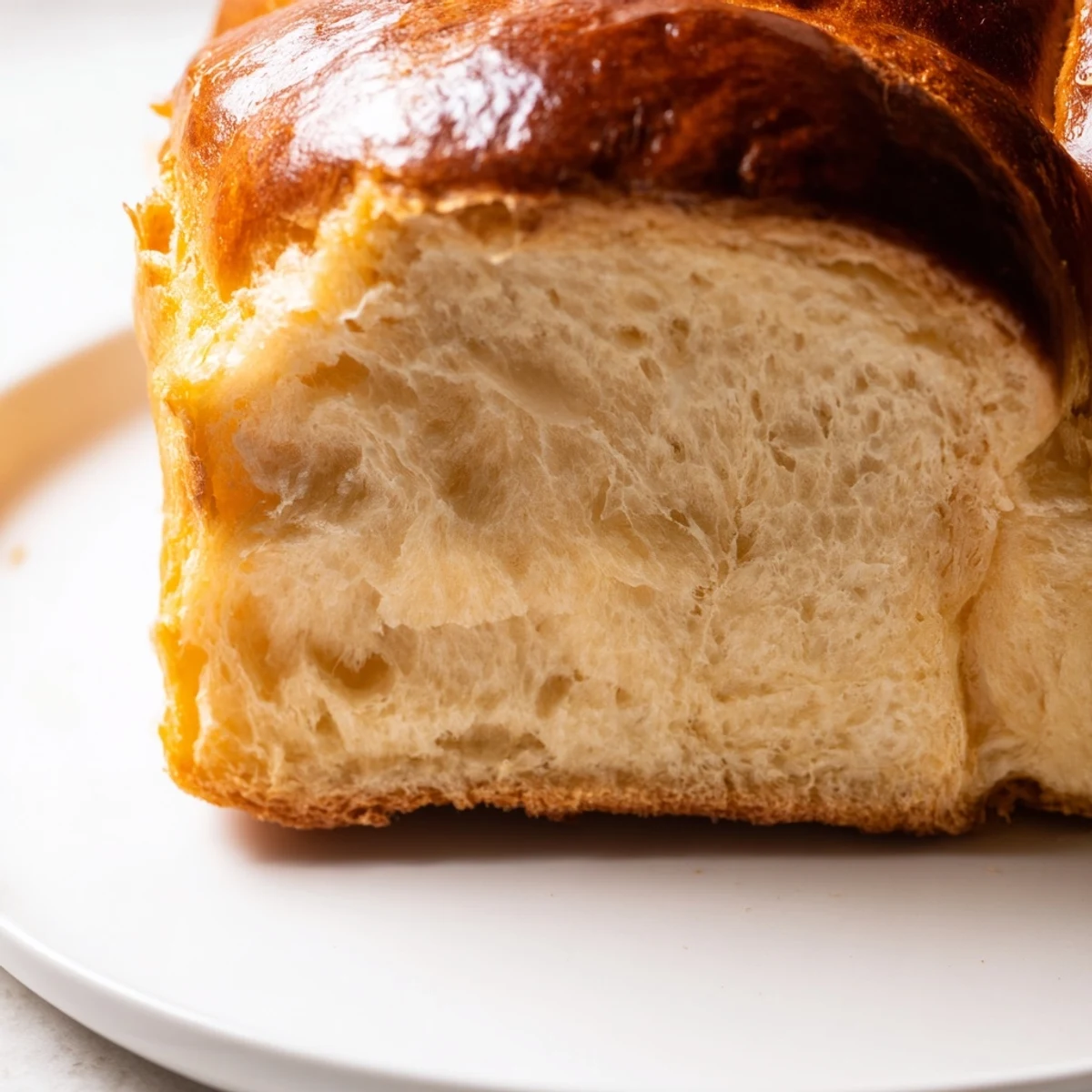
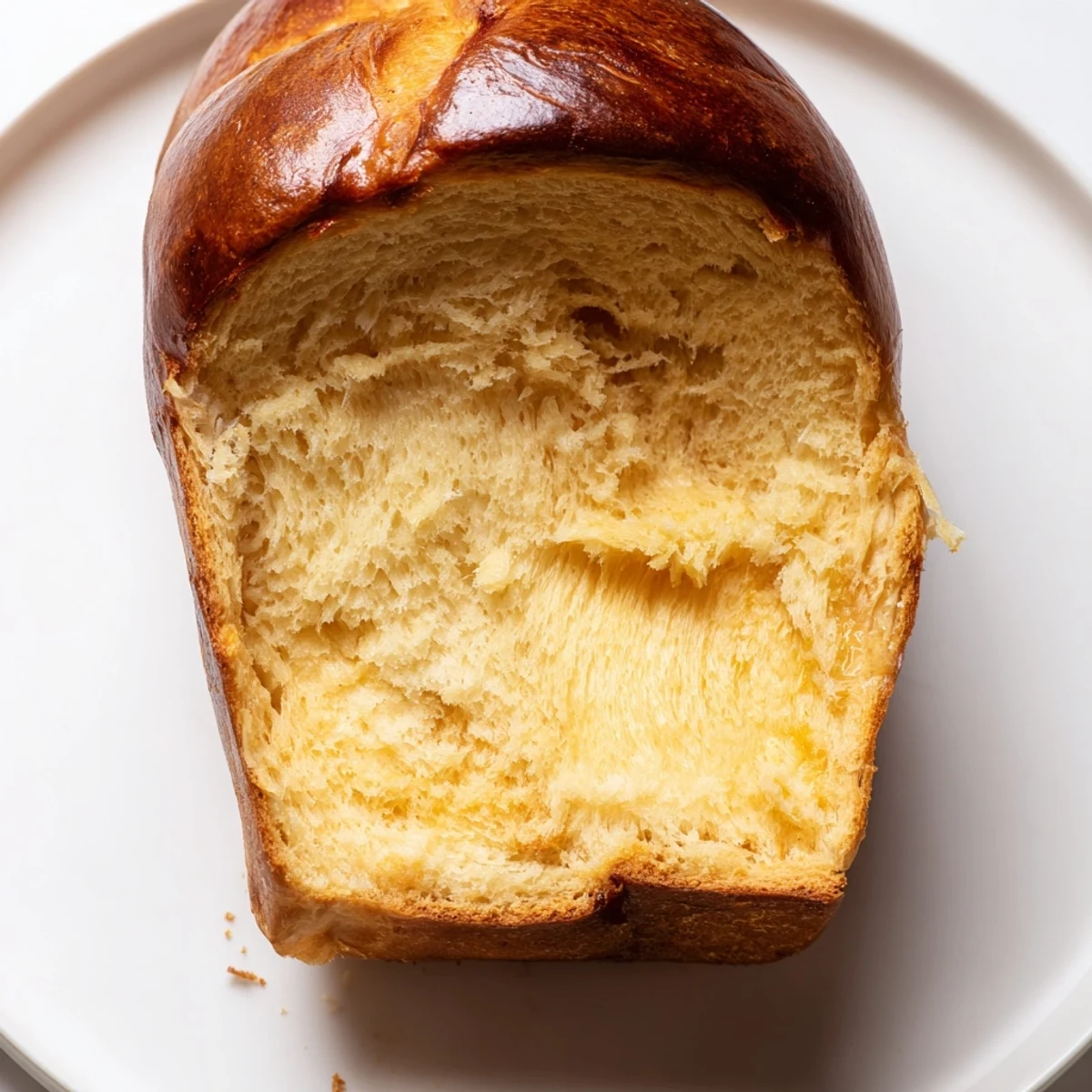
 This classic French brioche delivers exceptional softness and richness through its milk and butter content. The dough requires careful kneading to develop gluten, then rises twice for optimal texture. The egg wash creates a beautiful golden crust while the interior remains tender and slightly sweet. Perfect for serving toasted with jam or making into French toast.
The smell of butter melting into warm dough still pulls me back to my tiny Paris apartment, where I attempted my first brioche during a rainy November weekend. My landlord, Madame Blanc, caught me wrestling with the sticky mess and showed me how the dough should feel satin smooth against my palms. That afternoon changed everything I thought I knew about bread making.
Last Christmas morning, I pulled a fresh loaf from the oven just as my family stumbled sleepy-eyed into the kitchen. Within minutes, the entire brioche had disappeared, toasted slices slathered in butter and jam, leaving only crumbs and happy sighs around the table.
Ingredients
- 500 g all-purpose flour: Bread flour works too, but all-purpose gives that tender, cake-like crumb we want
- 60 g granulated sugar: Just enough to feed the yeast and add subtle sweetness without making it dessert
- 10 g instant yeast: Instant yeast cuts out the proofing step and gives consistent results every time
- 8 g fine sea salt: Use fine salt so it dissolves evenly into the dough
- 4 large eggs: Room temperature eggs incorporate better and help the dough develop properly
- 120 ml whole milk: Lukewarm, like bath water temperature, helps activate the yeast
- 150 g unsalted butter: Softened but still cool to the touch, cut into small cubes so it incorporates gradually
- 1 egg yolk: Mixed with milk for that glossy golden finish
- 1 tbsp whole milk: For the egg wash to get that bakery shine
Instructions
- Mix the dry foundation:
- In your stand mixer bowl, combine flour, sugar, yeast, and salt until everything is evenly distributed
- Bring it together:
- Add those room temperature eggs and lukewarm milk, then mix on low until you see a shaggy, rough dough forming
- Build the structure:
- Let the mixer work on medium speed for 5 minutes until the dough starts looking smooth and cohesive
- The butter transformation:
- Toss in softened butter cubes one handful at a time, watching the dough go through a sloppy phase before it magically turns glossy and elastic
- Patience pays off:
- Knead another 10 minutes until the dough pulls away from the bowl sides and windowpanes when stretched
- First rise:
- Shape into a smooth ball, place in a greased bowl, cover, and let it double in size somewhere warm for about an hour
- Shape your loaf:
- Gently deflate, divide into three ropes, braid them, or tuck into a buttered loaf pan depending on your mood
- Final proof:
- Cover loosely and let it puff up for 45 minutes until it looks nearly doubled and pillowy
- Preheat and prepare:
- Heat your oven to 180°C (350°F) and whisk the egg yolk with milk for brushing
- The golden finish:
- Gently brush the egg wash over the top, being careful not to deflate the dough
- Bake to perfection:
- Bake 25 to 30 minutes until deeply golden and a skewer comes out clean from the center
- Cool completely:
- Let it rest 10 minutes in the pan, then move to a wire rack before slicing into it
 Pin It
 My daughter now asks for this bread every Sunday morning, and watching her slice thick pieces still warm from the toaster reminds me why baking matters. It is not just about food. It is about creating something that pulls people to the table and keeps them there, talking and laughing, long after the last crumb has been eaten.
Making It Your Own
Once you master the basic dough, try folding in orange zest or dark chocolate chunks during the final minutes of kneading. The variations become endless, and each one feels like discovering the recipe all over again.
Storage Wisdom
Brioche keeps beautifully wrapped at room temperature for two days, but freezing individual slices means you can have fresh toasted bread anytime. Just pop frozen slices directly into the toaster and they crisp up perfectly.
Serving Ideas Beyond Breakfast
Day old brioche makes the most luxurious French toast or bread pudding you have ever tasted. The rich egg and butter content means it soaks up custard like a dream without falling apart.
- Use it for burger buns and thank me later
- Cubed and toasted, it becomes the ultimate crouton for French onion soup
- Slice thickly, grill, and top with ice cream for an instant dessert
 Pin It
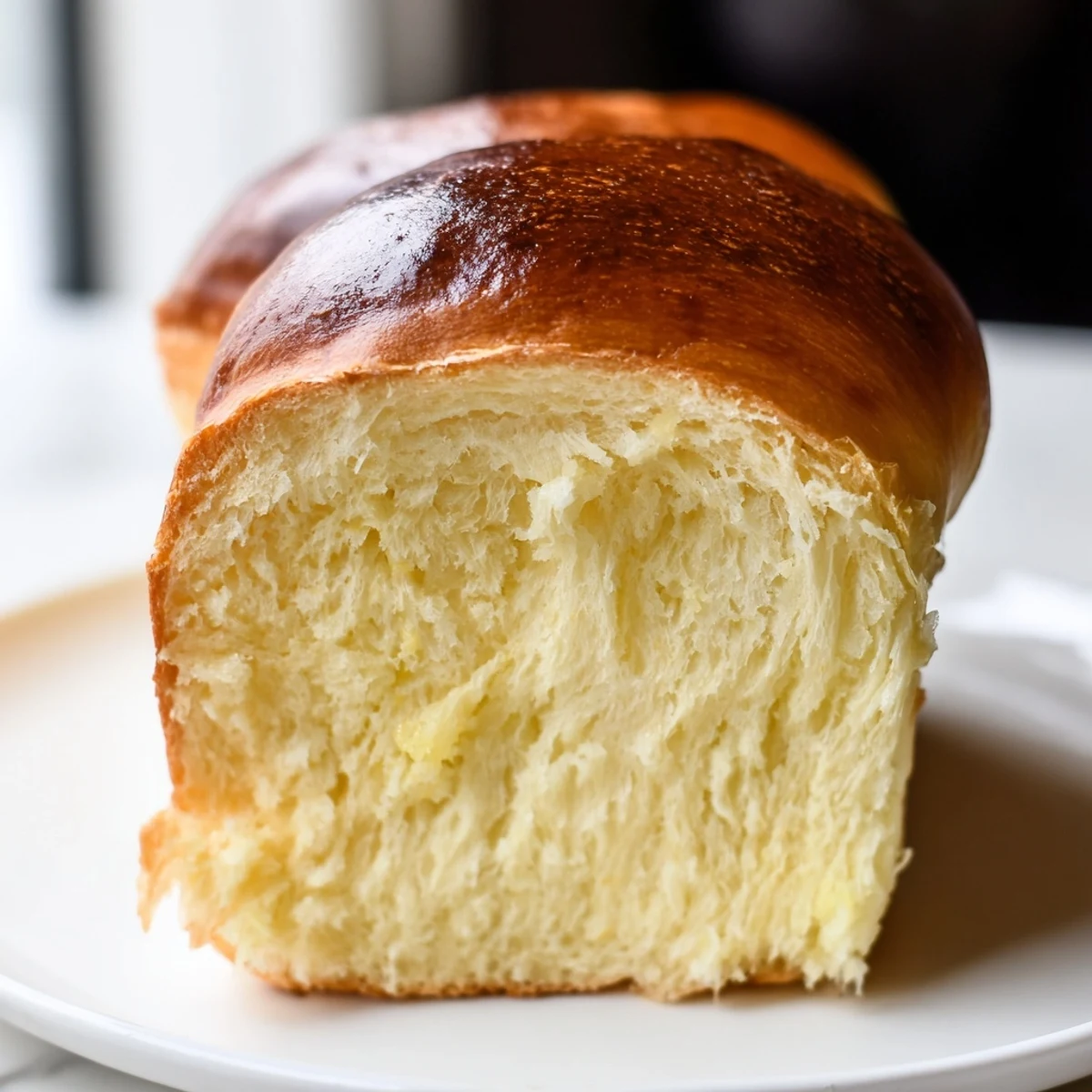
 There is something deeply satisfying about pulling a golden brioche from the oven, knowing you created something this beautiful from humble ingredients. May your kitchen always smell like butter and happiness.
Recipe FAQs
- → What makes this brioche different from regular bread?
-
The high butter and egg content creates a rich, tender crumb that's much softer than regular bread. The milk adds extra moisture and richness, resulting in a pillowy texture that's perfect for breakfast or desserts.
- → Can I use active dry yeast instead of instant yeast?
-
Yes, you can substitute active dry yeast. Use the same amount but dissolve it in warm milk first, then let it foam for 5-10 minutes before adding to the flour mixture.
- → Why does the dough need to rise twice?
-
The first rise develops flavor and gluten structure, while the second rise after shaping ensures the brioche has proper volume and light texture. Skipping either rise will result in a dense, heavy loaf.
- → How do I know when the brioche is fully baked?
-
The brioche should be golden brown and sound hollow when tapped on the bottom. A skewer inserted in the center should come out clean without any wet dough clinging to it.
- → Can I freeze this brioche?
-
Yes, brioche freezes beautifully. Allow it to cool completely, then slice and store in an airtight container or freezer bag for up to one month. Thaw at room temperature or gently reheat in the oven.