
 Pin It
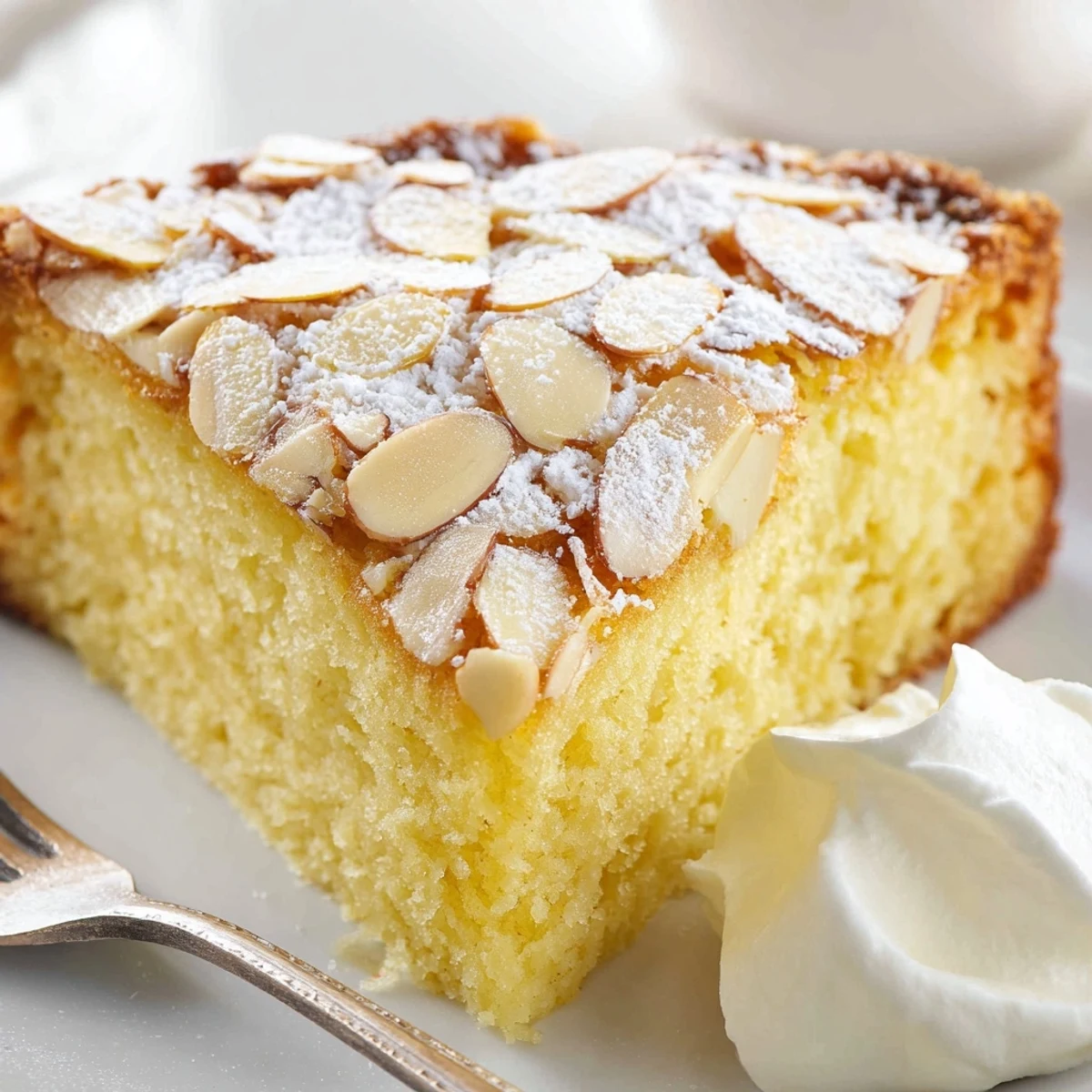
 This tender almond cake combines the nutty richness of almond flour with the lightness of traditional flour, creating a perfectly moist crumb. Pure almond and vanilla extracts infuse every bite with aromatic sweetness, while a topping of sliced almonds adds delightful crunch.
The straightforward method comes together quickly—cream butter and sugar, add eggs, then alternate dry ingredients with milk. The result is a golden cake with a delicate, velvety texture that pairs beautifully with fresh berries or whipped cream.
Whether enjoyed alongside afternoon tea or served as an elegant finish to dinner, this versatile European-style dessert offers consistently impressive results. The dairy-free adaptation ensures everyone can savor its almond-kissed goodness.
There's something magical about the way almond scent fills a kitchen while this cake bakes. My grandmother used to make something similar whenever we visited in spring, and the aroma would draw everyone to the kitchen before the oven timer even beeped. I've adapted her method over the years, but that comforting fragrance remains exactly the same.
Last summer I made this cake for my neighbor's birthday and she promptly asked for the recipe before she even finished her first slice. Since then it's become my go-to whenever I need something reliable yet impressive. The best part is how unpretentious it is, relying on the natural sweetness of almonds rather than heavy frostings or complicated decorations.
Ingredients
- All-purpose flour: Forms the structure while almond flour keeps it tender, so don't skip either
- Almond flour: The star ingredient that gives this cake its signature moistness and nutty depth
- Baking powder and salt: Essential for proper lift and balancing flavors
- Unsalted butter: Room temperature butter creamed properly creates the light, fluffy texture
- Granulated sugar: Sweetens while helping achieve that beautiful golden crust
- Large eggs: Must be at room temperature or they won't incorporate properly into the batter
- Whole milk: Adds richness and helps create that tender crumb we're after
- Pure almond extract: Don't skimp here as this is where the distinctive flavor comes from
- Pure vanilla extract: Rounds out the almond flavor and adds warmth
- Sliced almonds: Creates that gorgeous toasted top and adds a lovely crunch
- Powdered sugar: An optional finishing touch that makes it look bakery beautiful
Instructions
- Prepare your oven and pan:
- Preheat to 350°F (175°C) and grease an 8-inch round pan, lining the bottom with parchment paper for easy release later.
- Whisk the dry ingredients:
- In a medium bowl, combine flour, almond flour, baking powder, and salt until evenly blended.
- Cream the butter and sugar:
- Beat softened butter and granulated sugar for 2 to 3 minutes until noticeably lighter and fluffy.
- Add the eggs and extracts:
- Beat in eggs one at a time, then stir in both almond and vanilla extracts until fragrant.
- Combine wet and dry ingredients:
- Add dry mixture in two parts, alternating with milk, mixing only until just combined.
- Add the topping and bake:
- Pour batter into your prepared pan, sprinkle with sliced almonds, and bake for 30 to 35 minutes until golden.
- Cool completely before serving:
- Let the cake rest in the pan for 10 minutes, then move to a wire rack to finish cooling.
 Pin It
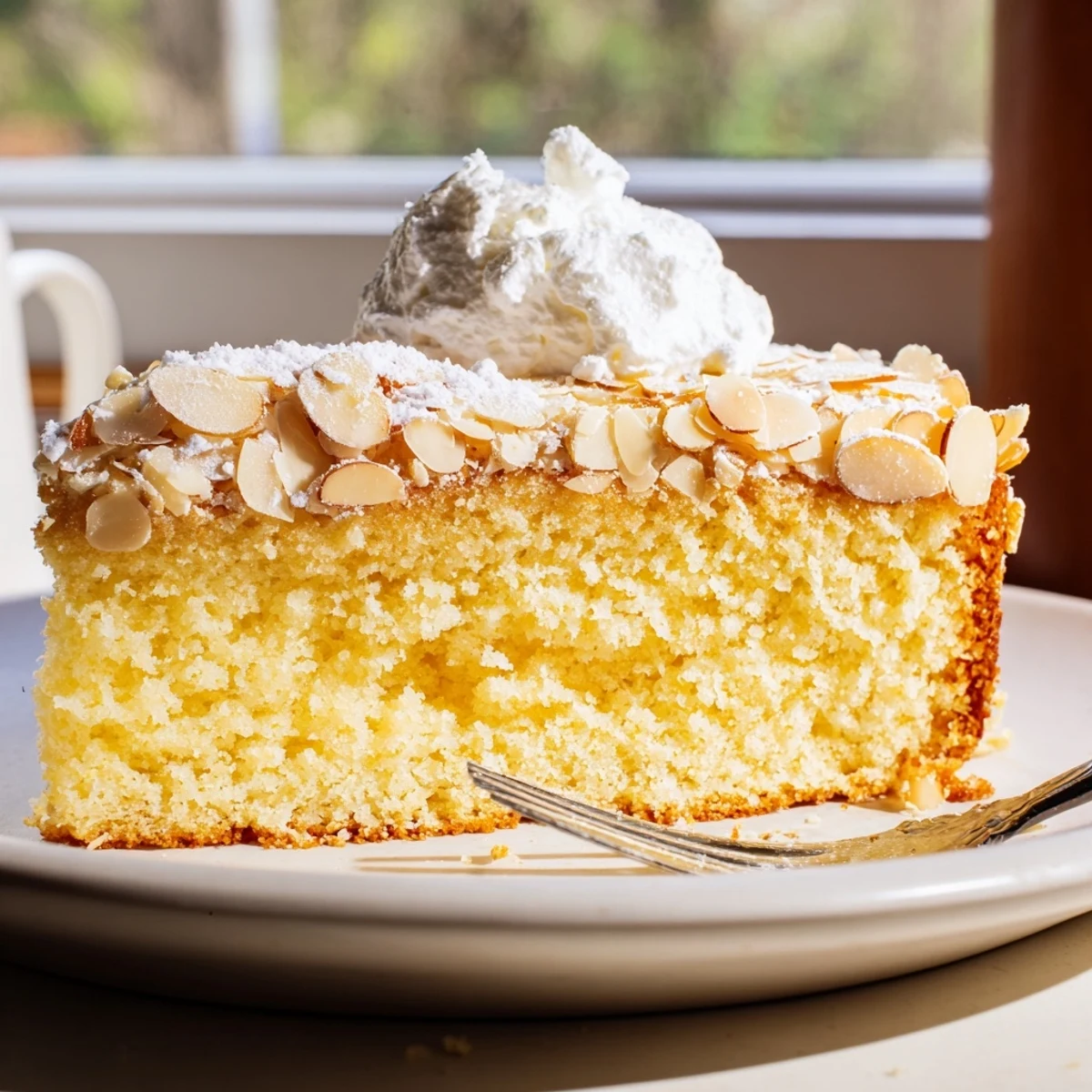
 This cake has become part of so many small celebrations in our home. There's something about serving something handmade and fragrant that turns ordinary moments into memories worth holding onto.
Making It Dairy Free
I've made this for friends who can't do dairy and the results are just as lovely. Simply swap butter for your favorite plant-based margarine and use almond milk instead of regular milk. The texture remains remarkably close to the original.
Serving Ideas
While this cake stands beautifully on its own, I've found some pairings that elevate it even further. Fresh berries add brightness and a pop of color against the golden crumbs.
Storage And Make Ahead Tips
This almond cake actually improves slightly on the second day as flavors meld and moisture distributes throughout. Store it wrapped at room temperature for up to three days.
- Wrap tightly in plastic wrap once completely cooled to maintain freshness
- Freeze individual slices for emergency dessert cravings
- Toast leftover sliced almonds and store separately for future batches
 Pin It
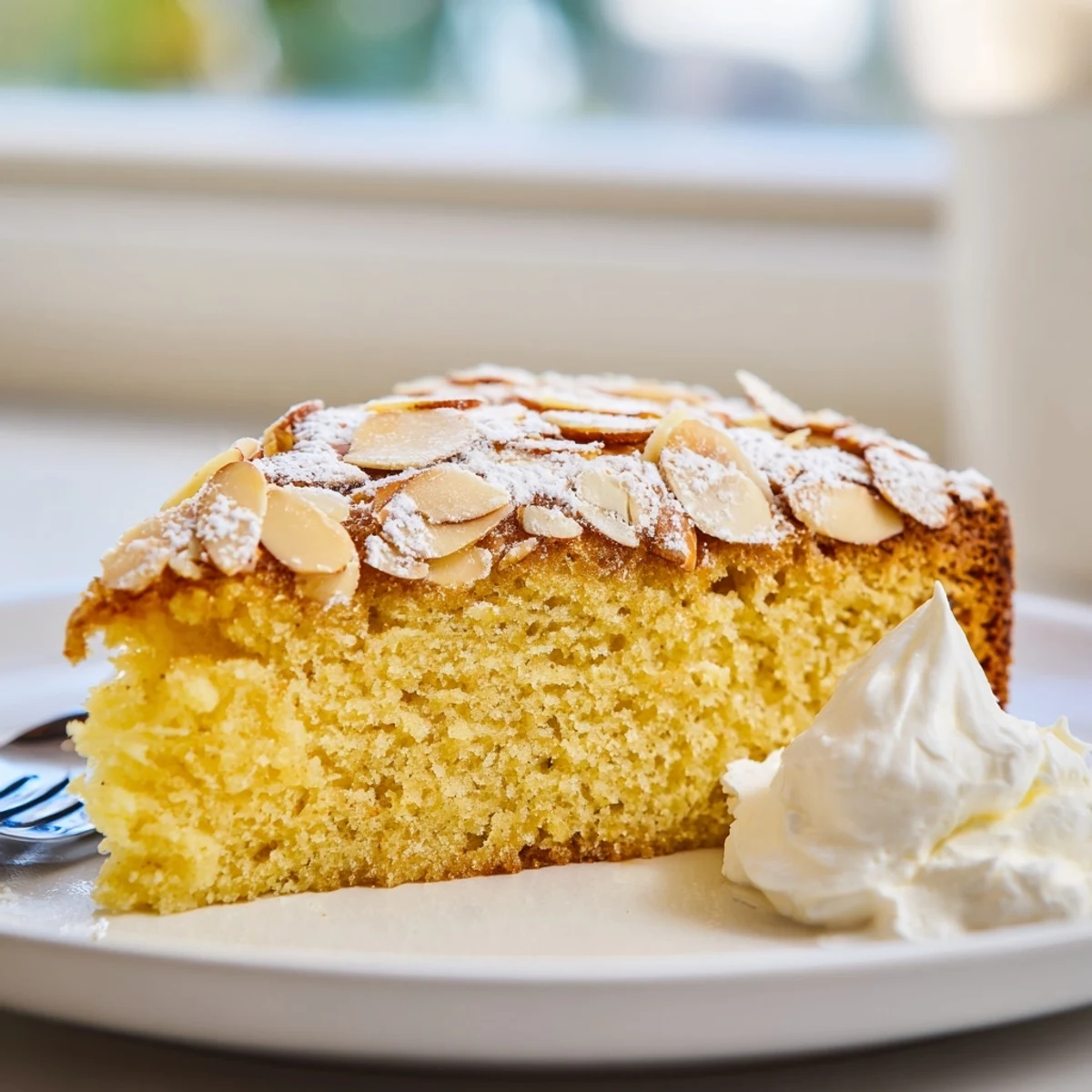
 There's quiet joy in a recipe that delivers such pleasure with such simple effort. This almond cake has become one of those treasures I return to again and again.
Recipe FAQs
- → Can I make this almond cake ahead of time?
-
Yes, this almond cake keeps well for 2-3 days when stored in an airtight container at room temperature. The flavors actually develop further after a day, making it an excellent choice for preparing the day before serving.
- → Is almond flour the same as ground almonds?
-
Almond flour is typically made from blanched, skinless almonds ground to a fine texture, while ground almonds may still have skins and a coarser consistency. For best results, use blanched almond flour to achieve the delicate crumb this cake is known for.
- → How do I know when the cake is done baking?
-
Insert a toothpick into the center of the cake—if it comes out clean or with just a few moist crumbs, the cake is ready. The top should also be golden brown, and the edges will start to pull away slightly from the pan sides after about 30-35 minutes at 350°F.
- → Can I freeze this almond cake?
-
Absolutely. Wrap the completely cooled cake tightly in plastic wrap, then foil, and freeze for up to 3 months. Thaw overnight at room temperature before serving. You can also freeze individual slices for quick single servings.
- → What can I use instead of almond extract?
-
If you prefer a milder almond flavor, replace the almond extract with additional vanilla extract or omit it entirely. For a natural alternative, you can use amaretto liqueur, though this will slightly alter the final taste profile.
- → Why is my cake dense or heavy?
-
Overmixing the batter can develop too much gluten, resulting in a dense texture. Mix only until ingredients are just combined. Also ensure ingredients are at room temperature before starting—cold eggs or butter can prevent proper aeration during the creaming stage.