
 Pin It
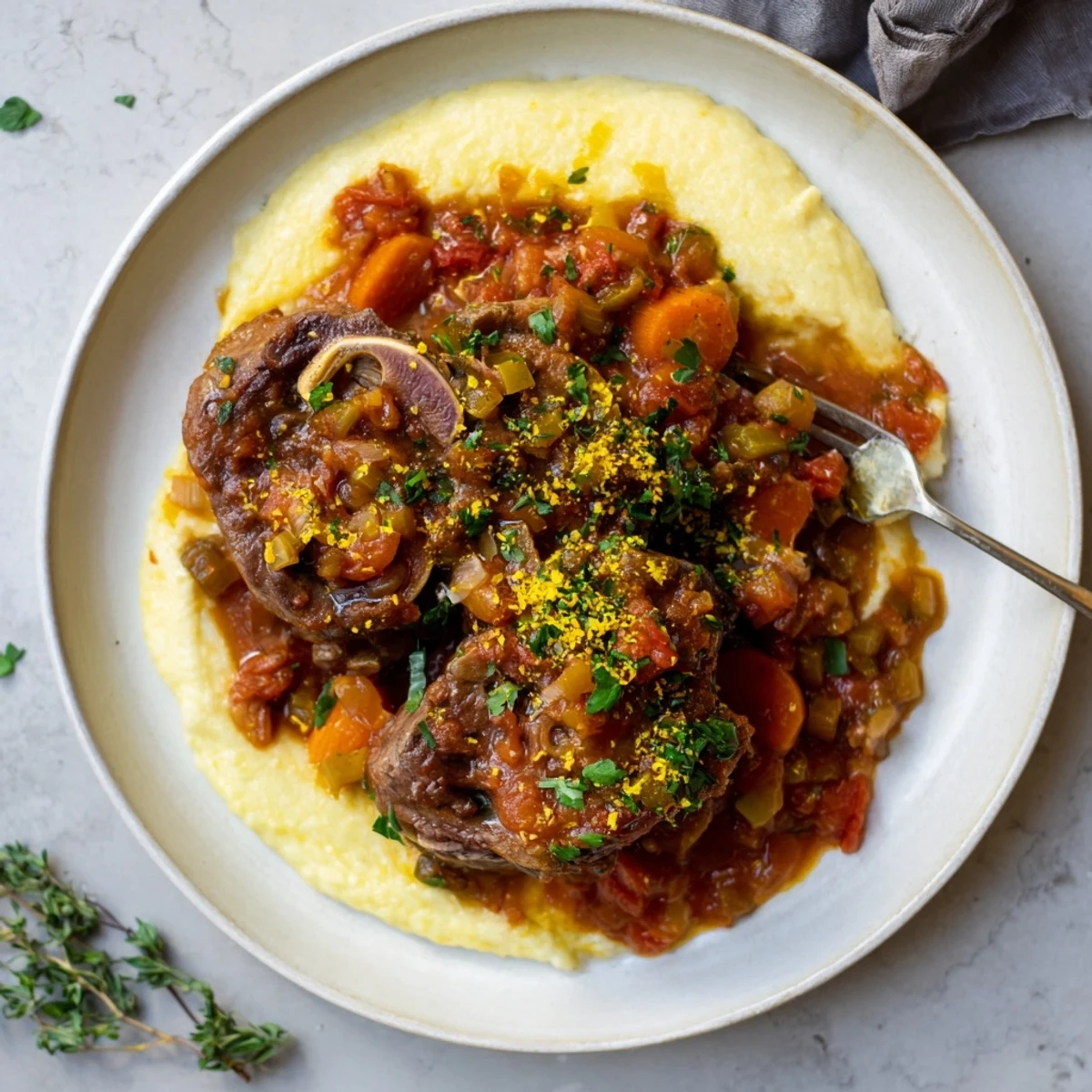
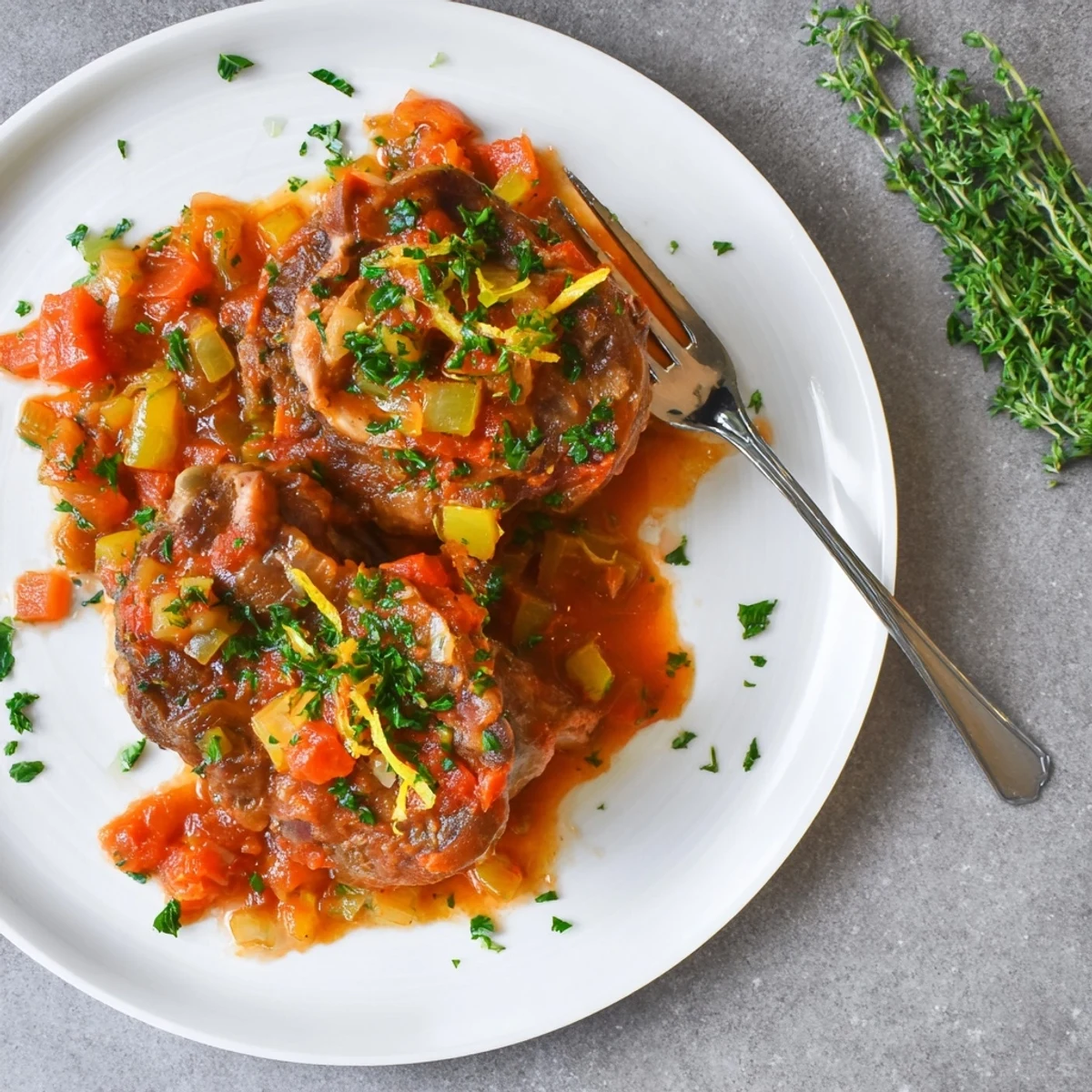
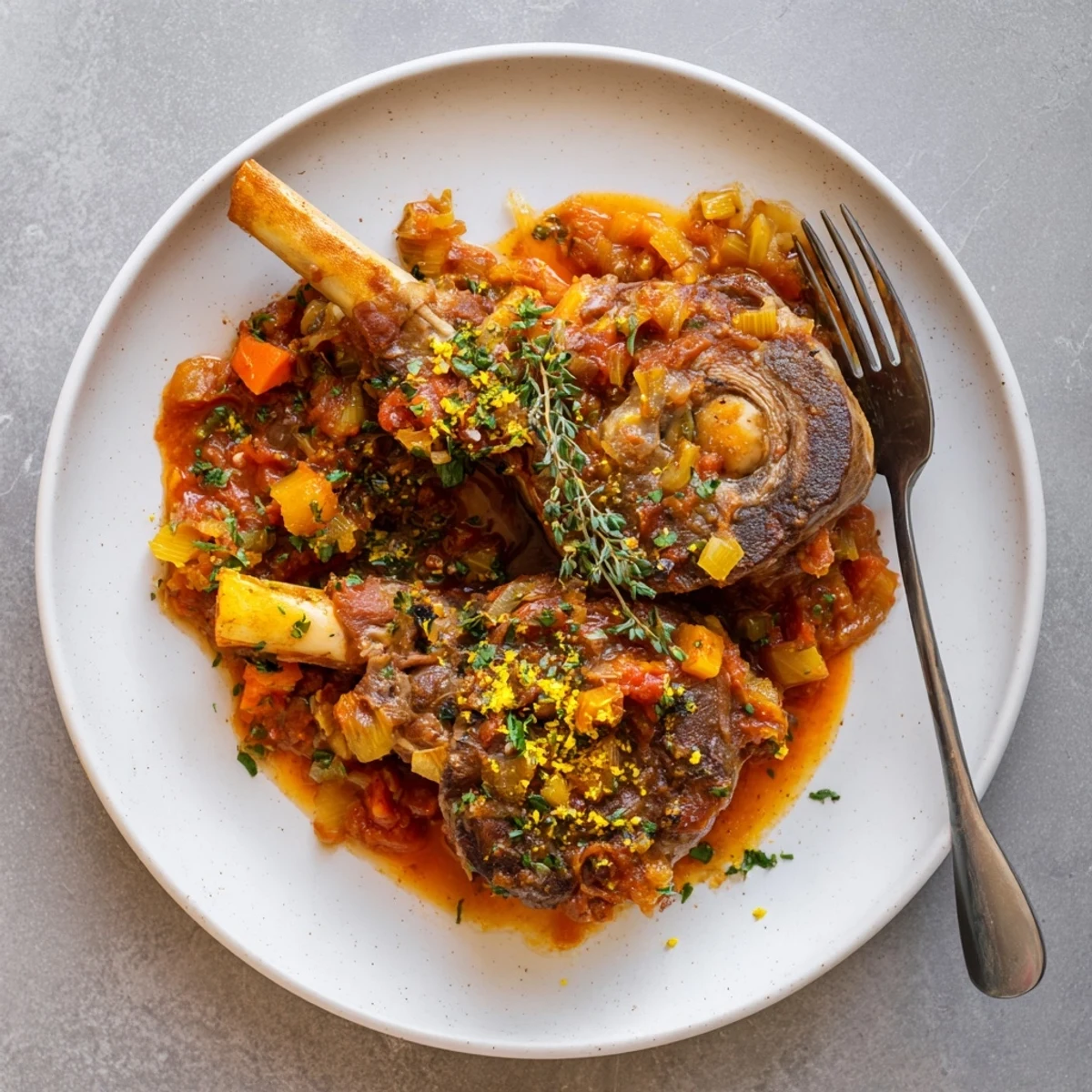
 This beloved Italian classic transforms veal shanks into meltingly tender meat through slow braising in a rich sauce of white wine, San Marzano tomatoes, and aromatic vegetables. The bone-in shanks develop deep flavor during oven cooking, while the sauce thickens into a velvety consistency perfect for coating pasta, polenta, or risotto. Finished with bright gremolata, this dish delivers restaurant-quality results with straightforward techniques suitable for home cooks of all levels.
The first time I made osso buco, I was hosting a dinner party and completely underestimated how incredible my apartment would smell. Hours into the braising process, my neighbors actually knocked on my door to ask what I was cooking. That rich aroma of veal, wine, and tomatoes had wafted through the entire building. Now it is my go-to dish for special occasions when I want to impress without spending all night at the stove.
I remember serving this at my first dinner party after moving into a new apartment. Something about the slow, patient process of braising made the whole evening feel slower and more intentional too. My friends sat around the table for hours, talking long after the plates were empty.
Ingredients
- Veal shanks: The bone marrow melts into the sauce creating an incredible richness you cannot get any other way
- Flour mixture: Creates a beautiful golden crust and helps thicken the braising liquid naturally
- Olive oil and butter: The combination prevents burning while adding that velvety mouthfeel
- Onion, carrots, and celery: This classic soffritto base builds layers of savory depth
- White wine: Use something decent enough to drink because the flavor really comes through
- San Marzano tomatoes: Worth every penny for their sweet, vibrant tomato essence
- Chicken stock: Homemade makes a difference but store-bought works perfectly fine
- Thyme and bay leaves: These herbs infuse the sauce with earthy, aromatic warmth
- Lemon zest: Brightens all the rich flavors and cuts through the heaviness
Instructions
- Get the oven ready:
- Preheat to 325°F so it is ready when you need it
- Prep the veal:
- Pat shanks dry then coat lightly in seasoned flour
- Create the fond:
- Brown shanks in hot butter and oil until golden on every side
- Build the base:
- Cook the vegetables until soft and fragrant, then add garlic
- Deglaze the pot:
- Pour in wine and scrape up all those browned bits from the bottom
- Assemble everything:
- Add tomatoes, stock, herbs, and zest then nestle meat back in
- Braise until melting:
- Cover and cook for 2 to 2.5 hours until meat yields easily to a fork
- Finish with flourish:
- Skim fat, discard bay leaves, and sprinkle with gremolata if using
 Pin It
 This recipe has become my comfort food of choice during gray winter weekends. Something about tending to a slow braise feels like giving myself a gift of time and patience.
The Secret To Perfect Browning
Do not overcrowd the pot when searing the veal. Brown in batches if necessary because the meat will steam instead of develop that gorgeous caramelized crust. Each shank needs room to breathe and make contact with the hot surface.
Make It Ahead
Osso buco actually improves after a day or two in the refrigerator. The flavors meld together and the meat continues tenderizing. Just cool completely, refrigerate, then gently reheat on the stove.
Serving Suggestions
Traditional risotto alla Milanese soaks up that incredible sauce beautifully. Polenta or mashed potatoes work just as well for catching every drop.
- Crusty bread is essential for sopping up the sauce
- A simple arugula salad balances all the richness
- Leftovers freeze beautifully for up to three months
 Pin It
 There is something deeply satisfying about a dish that rewards patience so generously. Every fork-tender bite reminds you why slow cooking is worth every minute.
Recipe FAQs
- → What cut of meat works best for osso buco?
-
Traditional osso buco uses veal shanks cut about 2 inches thick. The bone marrow adds richness and body to the sauce. Beef shanks make an excellent substitute if veal is unavailable or budget is a concern.
- → Why is the meat dredged in flour before cooking?
-
Light flour coating helps achieve golden browning during searing, creating flavorful fond in the pot. This also slightly thickens the final sauce. For gluten-free versions, skip dredging or use GF flour blend.
- → Can osso buco be made ahead of time?
-
This dish actually improves when made 1-2 days ahead. Cool completely, refrigerate in the sauce, then gently reheat. The flavors meld and develop deeper complexity overnight.
- → What should I serve with osso buco?
-
Traditional accompaniments include risotto alla Milanese, creamy polenta, or mashed potatoes. The rich sauce pairs beautifully with starches that soak up every drop. Crusty bread works well too.
- → How do I know when the meat is done cooking?
-
Test by inserting a fork into the meat - it should slide in easily with no resistance. The meat should be nearly falling off the bone. This typically takes 2-2.5 hours of braising time.
- → Is gremolata essential for this dish?
-
Gremolata adds bright, fresh contrast to the rich braised meat. The combination of parsley, garlic, and lemon zest cuts through the richness. While optional, it's highly recommended for authentic flavor.