 Pin It
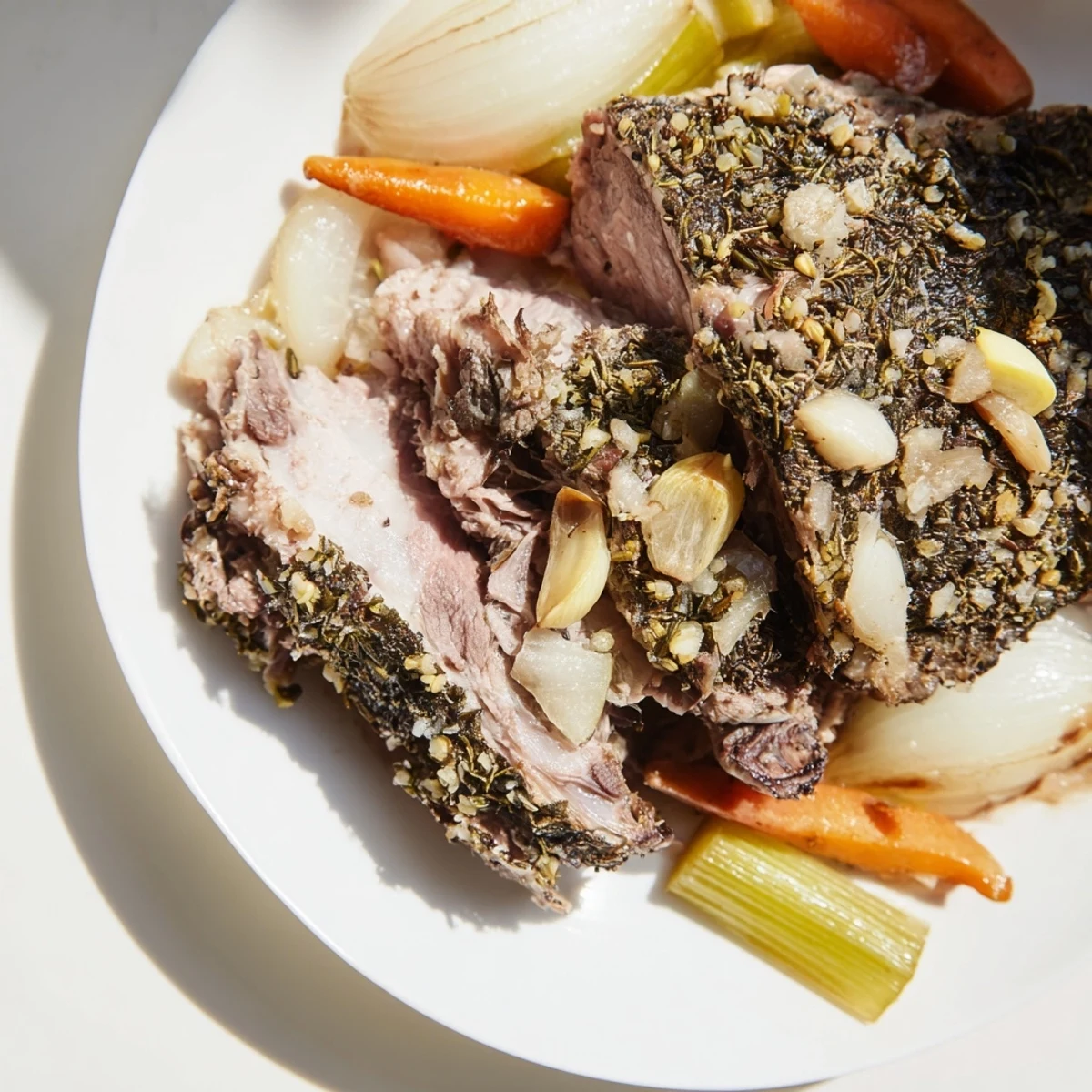
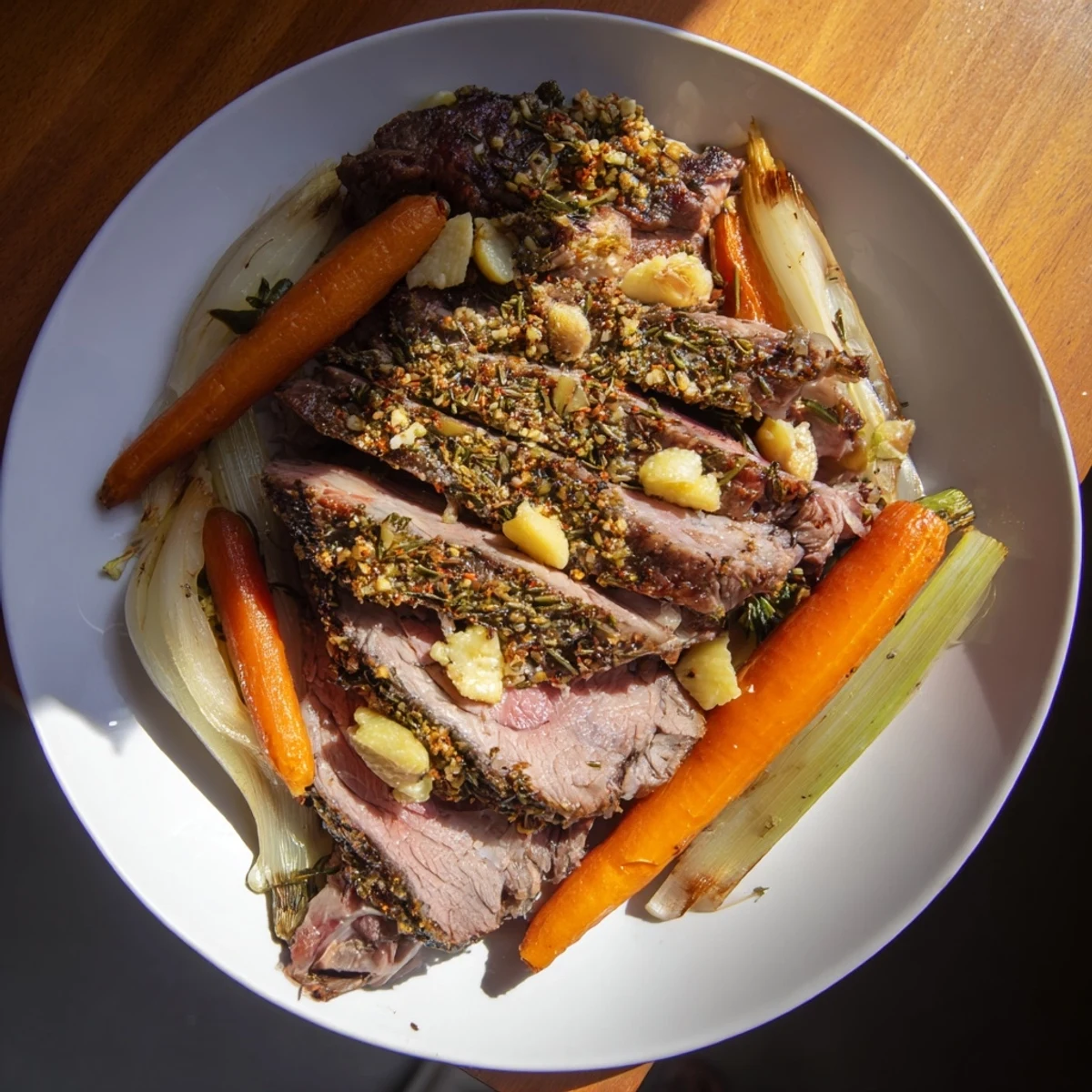
 Slow roasting a lamb shoulder infused with garlic, rosemary, thyme, oregano, and lemon zest creates tender, flavorful meat. The lamb is seared before roasting over a bed of onions, carrots, and celery, then slow-cooked with white wine and stock for several hours until the meat pulls away easily from the bone. Resting the lamb ensures juicy servings, ideal with roasted vegetables and pan juices for a comforting Mediterranean-inspired dish.
There's something about the smell of lamb and rosemary filling the kitchen that makes you feel like you're cooking something important. I discovered this recipe during a particularly cold March when a friend brought over a bottle of wine and asked what I was making for dinner—I had a lamb shoulder in the fridge and decided to slow-roast it with whatever herbs I could find. Four hours later, when we cut into that golden, tender meat, we both understood why this dish has been a centerpiece of Mediterranean tables for centuries. It became the dish I reach for whenever I want to impress without stress.
I remember my partner walking in halfway through the roasting process and just stopping in the doorway, inhaling deeply. "Whatever that is, we're eating it," he said, which was his way of approving my improvisational cooking. By the time we sat down to eat with fresh bread and red wine, it felt less like a weeknight dinner and more like we'd transported ourselves somewhere warm and sun-soaked.
Ingredients
- Lamb shoulder (about 2.5 kg/5.5 lbs), bone-in: The bone adds incredible flavor and keeps the meat moist during the long roast—don't skip it or opt for boneless.
- Garlic cloves, peeled and halved (6): These get tucked into incisions where they become soft and sweet, perfuming the entire roast.
- Fresh rosemary, finely chopped (2 tbsp): The backbone of the herb blend; dried works in a pinch but fresh creates an unmistakable aroma.
- Fresh thyme leaves (2 tbsp): Thyme stays delicate even after hours of cooking and adds an earthy sophistication.
- Fresh oregano, chopped (1 tbsp; or 1 tsp dried): A Mediterranean essential that bridges rosemary and thyme without competing.
- Lemon zest (1 lemon): This brightens the heavy richness of lamb in a way that makes people ask "what is that?" in the best way.
- Onions, sliced (2 large): They caramelize on the bottom of the pan and create a natural base for the pan sauce.
- Carrots, cut into large pieces (3): Large pieces stay intact and sweet; thin ones disappear into mush.
- Celery stalks, cut into large pieces (2): Often overlooked, but celery adds a subtle depth that makes the whole dish sing.
- Sea salt (2 tsp): Kosher works too, but sea salt dissolves more evenly into the herb crust.
- Black pepper (1 tsp): Freshly cracked, always—pre-ground tastes tired against the freshness of the herbs.
- Smoked paprika (1 tsp, optional): This optional ingredient adds a subtle warmth that makes people think you've been cooking all day.
- Dry white wine (250 ml/1 cup): Unoaked white wine works best; avoid anything too oaky or sweet that might overpower the lamb.
- Chicken or vegetable stock (250 ml/1 cup): Homemade is wonderful, but good store-bought stock makes a real difference here.
- Olive oil (2 tbsp): Use something you'd actually taste in a dressing—this matters for the sear.
Instructions
- Get organized and preheat:
- Set your oven to 160°C (320°F) while you gather everything—this low temperature is the secret to tender lamb. Having your mise en place ready means you won't be scrambling once the meat hits the hot pan.
- Prepare the lamb:
- Pat the lamb completely dry with paper towels; any moisture interferes with browning. Using a sharp knife, make small, deliberate incisions across the meat and tuck a garlic half into each one.
- Create the herb crust:
- Mix rosemary, thyme, oregano, lemon zest, salt, pepper, and paprika in a small bowl. Rub this mixture all over the lamb, pressing it into every crevice and incision so it adheres.
- Sear the lamb:
- Heat olive oil in your roasting pan over medium-high heat until it shimmers. Sear the lamb on all sides for about 5–7 minutes total until golden brown all over; this creates a flavorful crust that seals in the juices.
- Build the bed:
- Scatter onions, carrots, and celery across the bottom of the pan in a loose layer. Place the seared lamb directly on top of the vegetables; they'll support the meat and catch all the drippings.
- Add liquid and cover:
- Pour the wine and stock around the lamb, not over it, so the herb crust stays intact. Cover tightly with foil or a lid to trap steam and keep the meat moist.
- Slow roast:
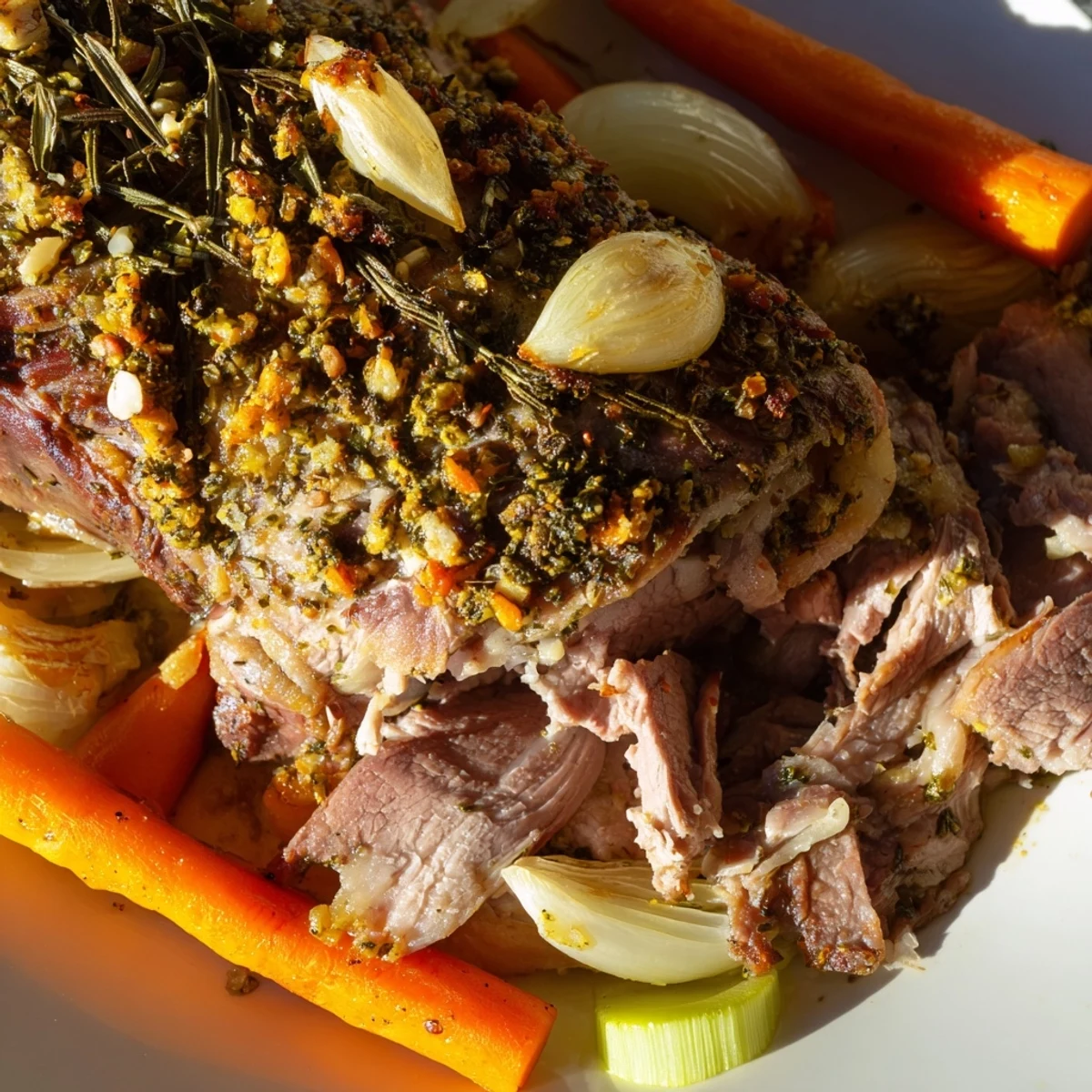
- Place in the oven for 3.5–4 hours, basting once or twice with the pan juices. The meat is ready when it pulls away easily from the bone and a fork meets no resistance.
- Final browning:
- Uncover for the last 30 minutes to allow the top to develop a deeper golden color. This step adds visual drama and a slightly crispy exterior contrast.
- Rest and serve:
- Tent the lamb loosely with foil and let it rest for 15 minutes; this allows the juices to redistribute. Serve with the roasted vegetables and pour the pan juices over everything.
 Pin It
 The first time I served this to my extended family, my grandmother took one bite and closed her eyes in a way that made the whole four-hour cook time feel worth it. She told me it reminded her of lamb her mother used to make, which was the highest compliment she knew how to give.
The Magic of Low-Temperature Cooking
Slow-roasting at a low temperature is almost meditative; the kitchen becomes a warm, fragrant sanctuary while the lamb transforms from raw to impossibly tender. The collagen in the shoulder breaks down gradually into gelatin, which creates that silky, succulent texture that makes people ask for seconds. I've learned that patience with heat is one of the most underrated cooking skills, and this dish proves it completely.
Pairing and Serving Ideas
This lamb is generous enough to be the star, but it loves company—creamy mashed potatoes soak up the pan juices beautifully, while crusty bread becomes essential for soaking every last drop. A simple green salad or roasted root vegetables add freshness without competing. I've also shredded leftovers into grain bowls the next day, where they taste almost as good as they do fresh.
Making It Ahead and Storage
This dish actually improves when made a day ahead, as the flavors deepen and meld overnight in the fridge. Reheat gently, covered, at 150°C for about 30 minutes, adding a splash of stock if the pan seems dry. Leftovers keep beautifully for up to four days, and the meat freezes well for up to three months if you separate it from the bones.
- Marinating the lamb overnight with herbs and olive oil deepens the flavors even further if you have the time.
- White wine can be replaced entirely with extra stock if you prefer to skip alcohol.
- The smoked paprika is optional but adds a subtle warmth that makes people wonder what your secret ingredient is.
 Pin It
 This lamb shoulder has become my go-to dish for feeding people I love, and it never fails to make me look like a hero without requiring heroic effort. There's something deeply satisfying about a recipe that tastes like celebration but asks only for patience.
Recipe FAQs
- → How long should I slow roast lamb shoulder for?
-
Slow roast the lamb shoulder for about 3.5 to 4 hours at a low temperature to achieve tender and juicy meat that easily pulls away from the bone.
- → What herbs complement slow-roasted lamb best?
-
Fresh rosemary, thyme, and oregano, combined with garlic and lemon zest, enhance the natural flavor of lamb when slow-roasted.
- → Can I prepare the lamb in advance?
-
Yes, marinating the lamb with herbs and olive oil overnight intensifies the flavors and results in a more aromatic dish.
- → What side vegetables are ideal for this lamb dish?
-
Onions, carrots, and celery create a flavorful base that complements lamb during slow roasting and add depth to the pan juices.
- → Is it necessary to sear the lamb before roasting?
-
Searing the lamb on all sides locks in juices and develops a rich, golden crust, enhancing the final taste and texture.