
 Pin It
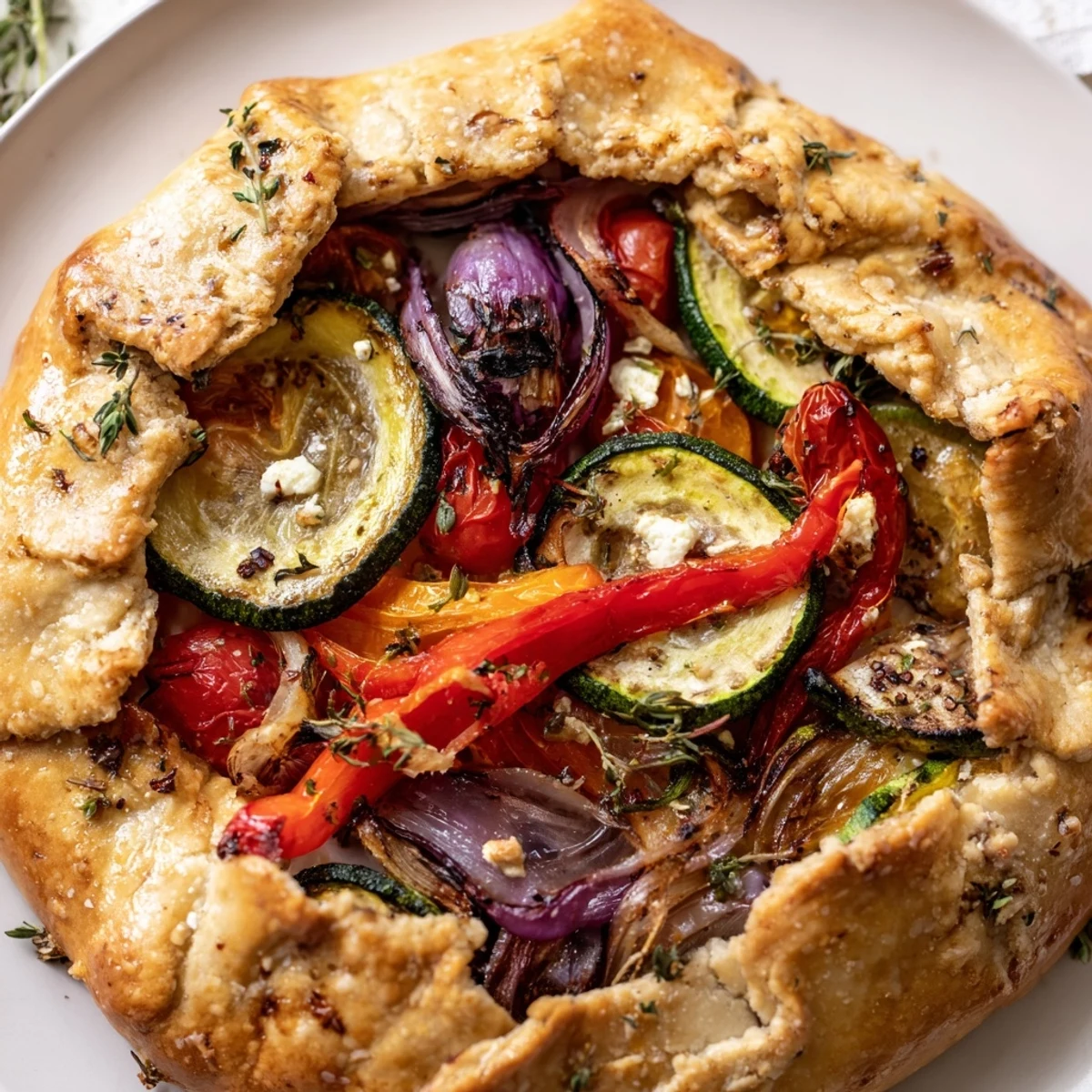
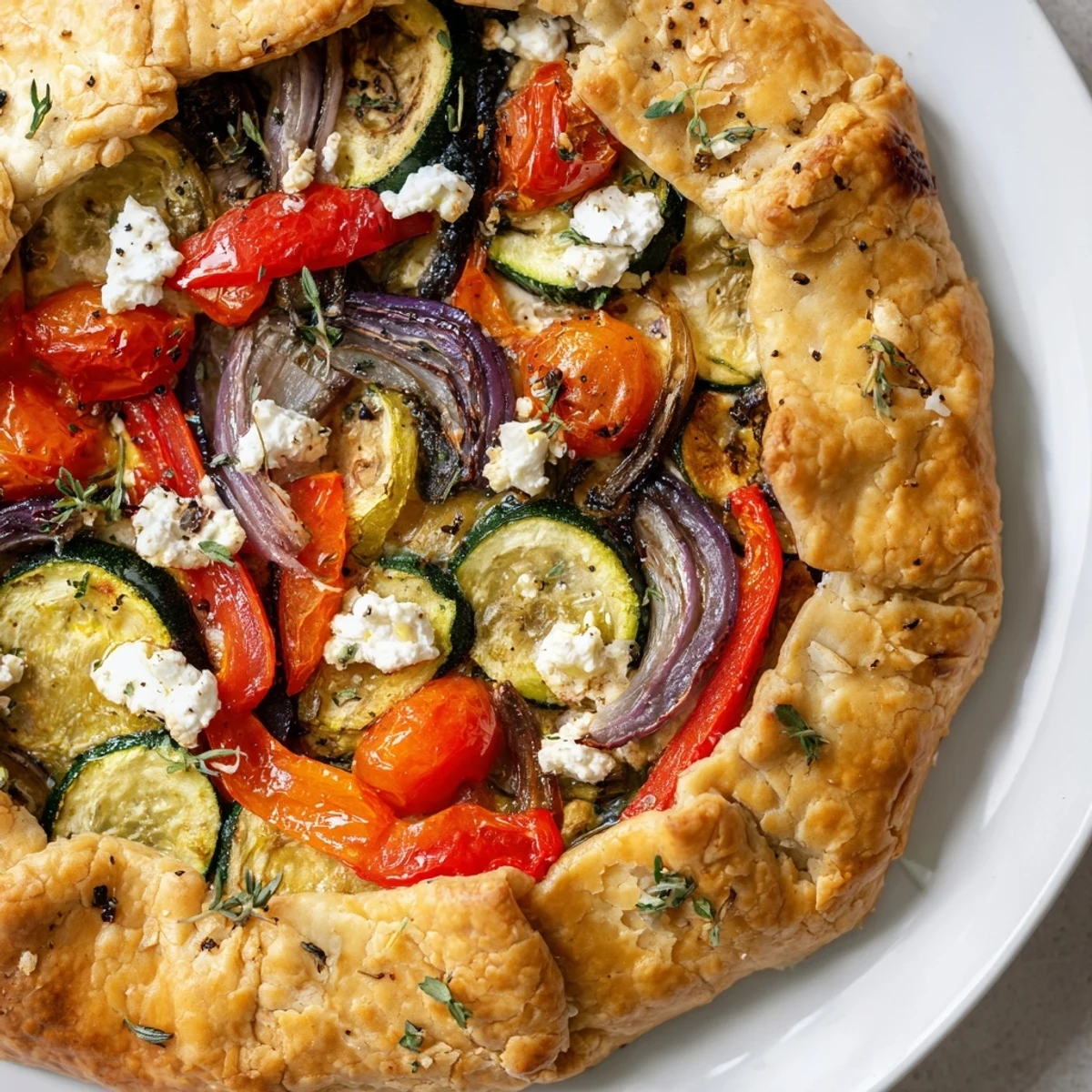
 This savory galette combines a flaky, buttery crust with a medley of roasted zucchini, bell pepper, red onion, and cherry tomatoes. Enhanced by creamy goat cheese and fresh thyme, it offers a rustic, flavorful dish suitable as a vegetarian centerpiece or side. The handmade crust is chilled, rolled, and folded over the vibrant filling, then baked until golden brown. Serve warm or at room temperature, optionally paired with crisp white wine. Variations include substituting cheeses or adding mushrooms and spinach.
I discovered galettes on a Thursday afternoon when a farmer's market visit left me with far too many vegetables and not enough ideas. My friend Marie mentioned her French grandmother's trick of turning odds and ends into something elegant, and I became obsessed with the simplicity of it all—a rustic tart that asks nothing of you except patience and a willingness to fold imperfectly. That first attempt, edges uneven and filling slightly scattered, somehow tasted like exactly what I needed.
The first time I made this for dinner guests, I was certain something would go wrong—the dough would crack, the filling would leak everywhere, the crust wouldn't brown. Instead, it emerged golden and perfect, and my neighbor asked for the recipe before she'd even finished her first slice. That moment made me realize galettes aren't just food; they're proof that beautiful things come from imperfection.
Ingredients
- All-purpose flour (1 1/4 cups): The foundation of a tender, flaky crust—cold butter relies on this to create those precious layers.
- Kosher salt (1/2 tsp for dough): Enhances the buttery flavor and strengthens the gluten structure without making things tough.
- Unsalted butter, cold and cubed (1/2 cup): Cold is non-negotiable here; warm butter means a dense, greasy crust and tears when you fold the edges.
- Ice water (1/4 cup plus more): Add gradually—dough should feel just barely held together, never sticky or wet.
- Zucchini (1 small, thinly sliced): Roasting transforms it into something delicate and slightly sweet; don't use a giant one or it turns watery.
- Red bell pepper (1 small, thinly sliced): Adds brightness and slight sweetness that balances the earthiness of roasted vegetables.
- Red onion (1 small, thinly sliced): Becomes mellow and almost jammy when roasted, losing its harsh bite.
- Cherry tomatoes (1 cup, halved): Their natural sugars concentrate in the oven, creating pockets of flavor—regular tomatoes are too watery.
- Olive oil (2 tbsp): Just enough to roast vegetables until edges caramelize without turning greasy.
- Black pepper and kosher salt (1/2 tsp each): Season roasted vegetables as they finish cooking to bring out their natural sweetness.
- Goat cheese or feta (1/2 cup, crumbled): The tang cuts through the richness perfectly, though ricotta works if you prefer something milder.
- Fresh thyme (1 tsp): A whisper of herbal flavor—dried is stronger, so use half if that's all you have.
- Egg (1, lightly beaten): The wash creates that burnished, golden crust that looks intentional even when nothing else is.
Instructions
- Make the Dough:
- Combine flour and salt, then work in cold butter until the mixture resembles coarse crumbs—you want visible butter pieces, not a smooth paste. Sprinkle ice water over the top and use a fork to bring everything together gently, just until it holds without looking wet. Flatten into a disk, wrap in plastic, and let it rest in the fridge for at least 30 minutes; the gluten needs to relax, and the butter needs to firm up again.
- Roast Your Vegetables:
- Toss zucchini, bell pepper, red onion, and cherry tomatoes with olive oil, salt, and pepper on a baking sheet. Roast at 400°F for 15 to 18 minutes, shaking halfway through, until the edges begin to caramelize and vegetables are tender but not collapsing. Let them cool slightly so the heat doesn't wilt the cheese or create too much steam.
- Roll Out the Dough:
- On a lightly floured surface, roll the chilled dough into a 12-inch circle about 1/8-inch thick—it should be thin but sturdy, not paper-thin. Transfer it carefully to a parchment-lined baking sheet, working gently so you don't stretch or tear it.
- Assemble the Galette:
- Arrange roasted vegetables in the center, leaving a 2-inch border of bare dough all the way around. Scatter goat cheese and fresh thyme over the vegetables, then fold the edges up and over the filling in casual pleats, letting the center stay exposed and rustic-looking. The folds don't need to meet or look neat; that's where the charm comes from.
- Finish and Bake:
- Brush the crust (but not the filling) with beaten egg for that golden shine, then bake at 400°F for 30 to 35 minutes until the pastry is deeply golden and smells nutty. Let it cool on the sheet for a few minutes before sliding it onto a cutting board.
 Pin It
 My mother made galettes every summer using vegetables from her garden, and she taught me that the imperfections are the whole point. A perfectly crimped edge looks like something you bought; a casually folded one looks like something you made with your own hands on a regular Thursday.
Making the Pastry Foolproof
The most important thing I learned about pastry dough is that warmth is the enemy. Keep everything cold—work quickly, don't overwork the dough, and if your kitchen is hot, chill your bowl and even your rolling pin before you start. The dough will be easier to work with, and the crust will reward you with actual flakiness instead of a dense, greasy disappointment. I keep my workspace cool now, and it's transformed every crust I've made since.
Vegetables That Shine When Roasted
Roasting brings out something almost caramelized in vegetables that raw or steamed versions never achieve. Zucchini turns nutty, bell peppers become sweet, and cherry tomatoes concentrate into tiny flavor bombs. The technique is straightforward—coat them in oil, season generously, and let the oven do the work—but the transformation feels like magic every single time.
What Makes This Galette Sing
The combination of creamy cheese with roasted vegetables and buttery pastry creates layers of texture and flavor that somehow feel both simple and luxurious. It's the kind of dish that works for a casual dinner with friends or a quiet lunch by yourself, and tastes just as good hours later when the flavors have had time to settle together.
- Serve it warm from the oven or let it cool to room temperature—both are perfect, and the choice depends on your mood.
- A crisp white wine like Sauvignon Blanc or a light rosé is your friend here; the acidity cuts through the richness beautifully.
- Leftovers keep for two days and reheat gently in a 300°F oven for about 10 minutes if you want to revive the pastry's crispness.
 Pin It
 There's something deeply satisfying about folding up the edges of a galette and knowing that whatever happens next will be delicious. It's the kind of recipe that reminds you why you love cooking in the first place.