
 Pin It
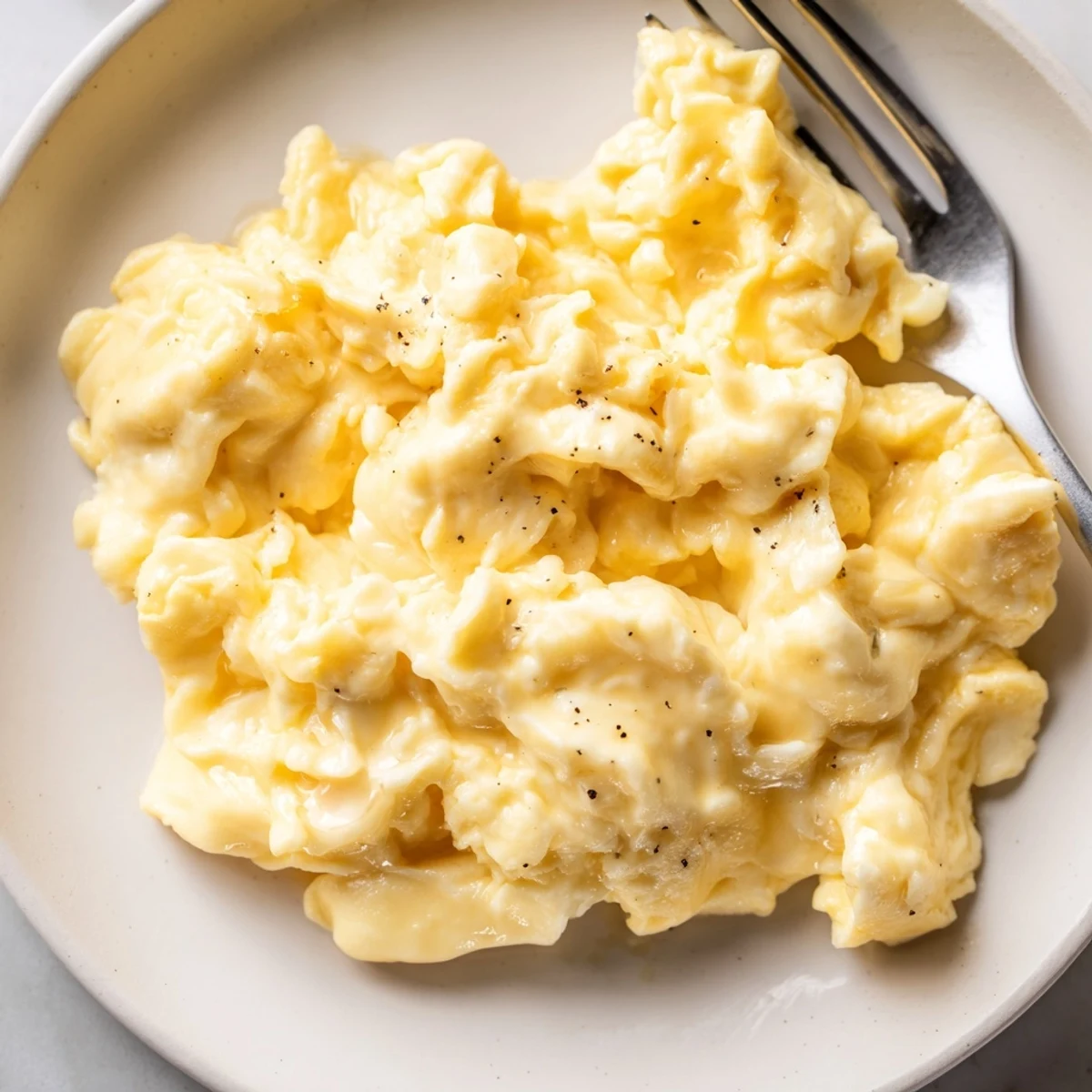
 Learn to make restaurant-quality scrambled eggs at home with this foolproof technique. The secret lies in low heat, gentle stirring, and removing from heat while slightly moist for that signature creamy texture.
Four large eggs get enriched with milk or cream, then cooked slowly in butter until they form soft, tender curds. The entire process takes just 10 minutes from start to finish.
Customize with fresh herbs, shredded cheese, or sautéed vegetables. Serve alongside buttered toast, sliced avocado, or smoked salmon for a complete meal that works for breakfast, brunch, or even a quick dinner.
My roommate in college taught me that scrambled eggs are the ultimate test of kitchen patience. We would make them at midnight after studying, standing over the stove with the heat as low as it would go. She insisted that the secret was never walking away, even for a second. Those late night eggs were the best I have ever eaten.
Last Sunday my dad asked me to show him how I make eggs. He has been making them the same way for forty years. When I told him about adding milk and keeping the heat low, he looked skeptical. After one bite he admitted his method might need updating.
Ingredients
- 4 large eggs: Fresh eggs produce fluffier curds and hold their shape better
- 2 tbsp whole milk or cream: This is what creates that restaurant style creaminess
- 1 tbsp unsalted butter: Adds richness and helps prevent sticking in the pan
- 1/4 tsp salt: Enhances the natural egg flavor without overpowering
- 1/8 tsp freshly ground black pepper: Adds just enough bite to wake up your palate
Instructions
- Whisk your base:
- Crack eggs into a bowl and add milk, salt, and pepper. Whisk until the mixture turns slightly frothy and uniform in color.
- Prep your pan:
- Melt butter in a nonstick skillet over medium low heat until it foams gently.
- Start the cooking:
- Pour eggs into the skillet and wait a few seconds until edges begin to set.
- Create soft curds:
- Gently push eggs from edges toward center with a spatula, forming soft folds.
- Finish with care:
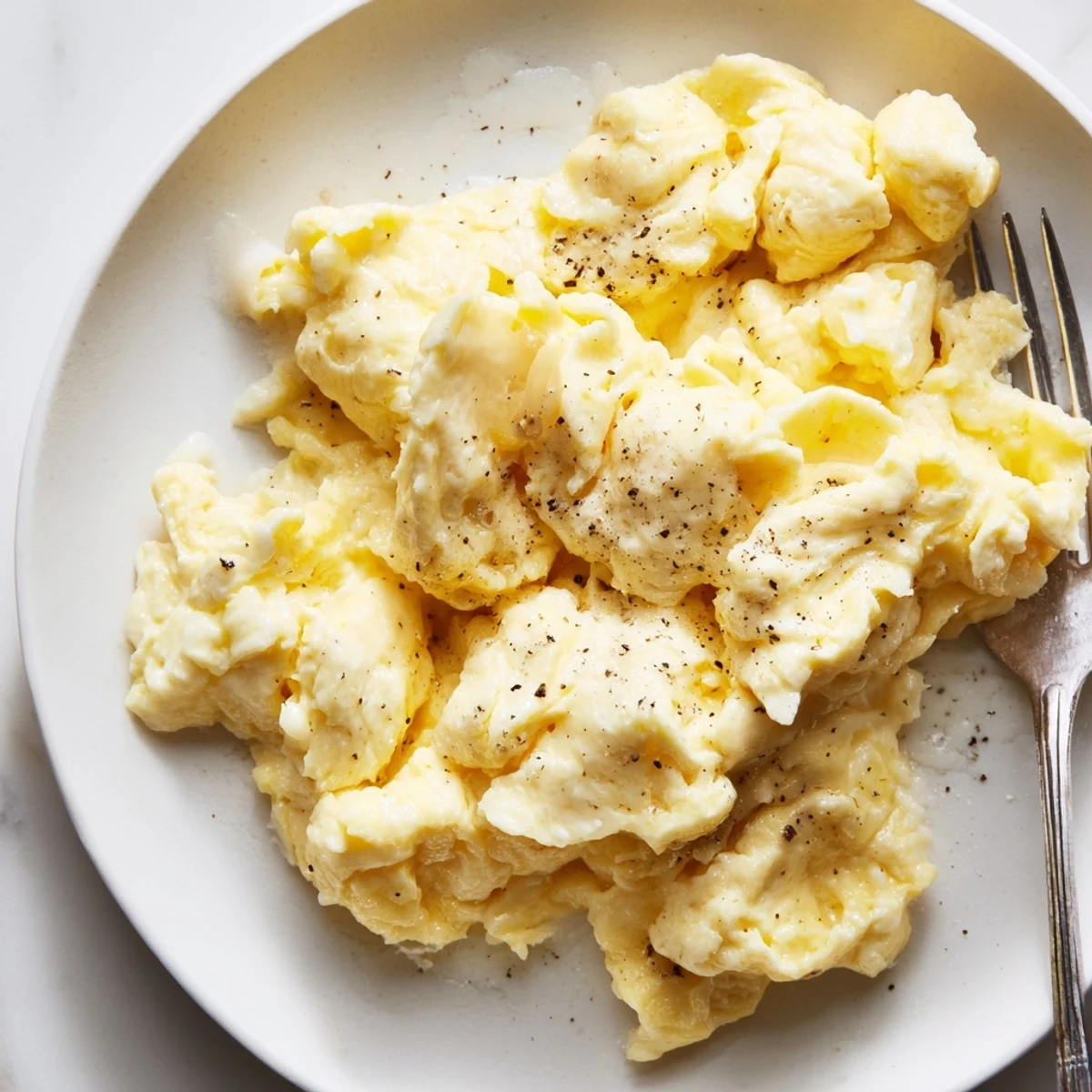
- Cook until just set but still moist, then immediately remove from heat.
- Serve right away:
- Plate while warm for the best texture and flavor.
 Pin It
 My daughter now asks for these eggs every weekend. She stands on her step stool at the stove, watching the curds form. Last week she told me my eggs are better than the ones at her favorite breakfast spot.
Making Them Your Way
I have discovered that the best eggs match your mood. Some mornings I want them plain and simple. Other days I load them with cheese or fresh herbs from the garden. Let your cravings guide you.
Pairing Ideas
Buttered toast is classic, but try these eggs with smashed avocado and everything bagel seasoning. Smoked salmon adds a luxurious touch. Even roasted vegetables from last nights dinner work beautifully.
Common Mistakes to Avoid
The biggest error people make is using high heat. It causes the eggs to seize up and become rubbery. Another mistake is not whisking enough, which leads to uneven cooking. Take your time with both steps.
- Patience beats speed every single time
- A good nonstick pan makes all the difference
- Practice until you learn the visual cues of doneness
 Pin It
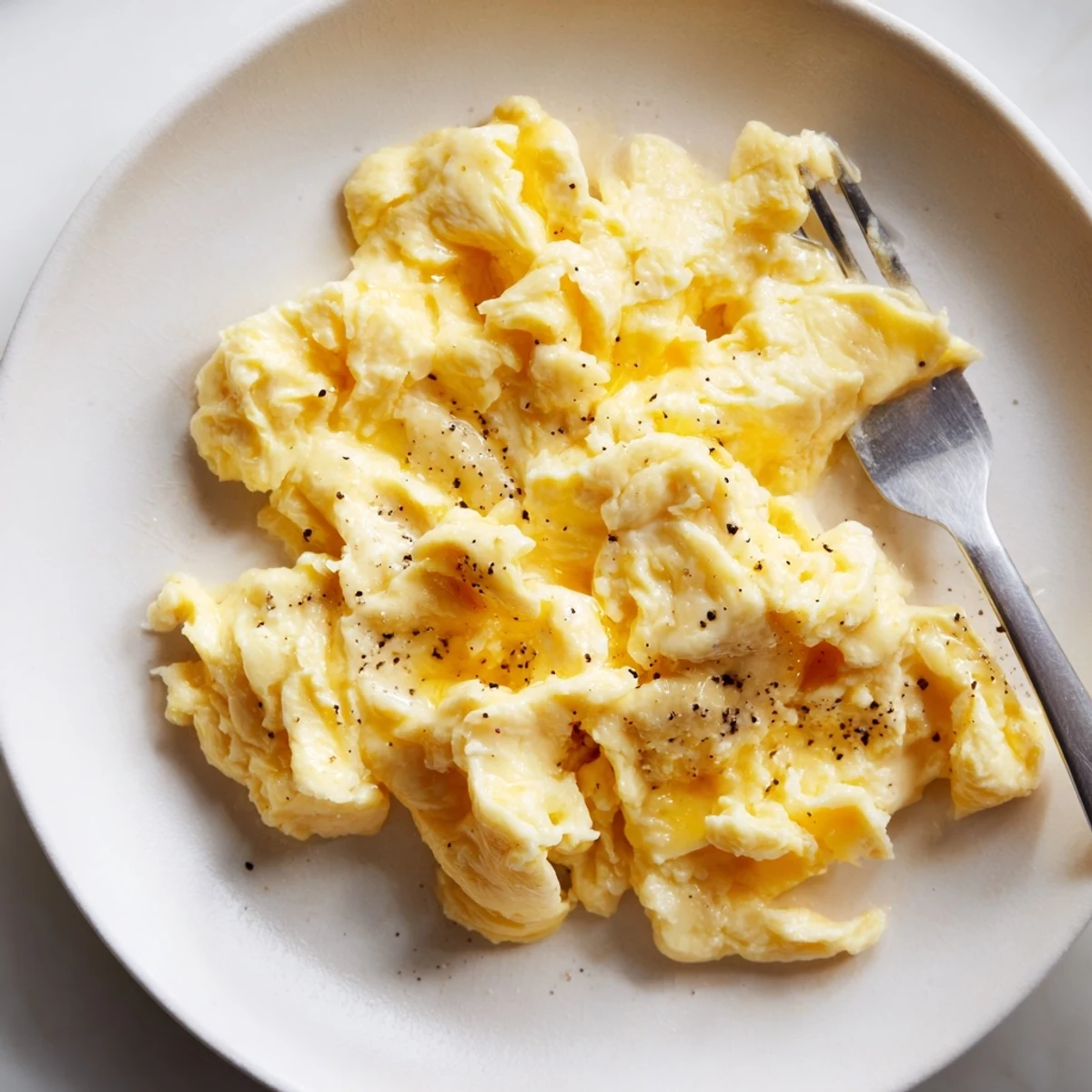
 Perfect scrambled eggs are worth the practice. They turn an ordinary morning into something special.
Recipe FAQs
- → What makes scrambled eggs fluffy?
-
Whisking eggs until slightly frothy incorporates air, creating fluffier curds. Cooking over medium-low heat and stirring gently helps maintain that airy texture without becoming dense or rubbery.
- → Should I add milk or cream?
-
Both work beautifully. Milk creates lighter, more delicate curds while cream yields richer, silkier results. Start with one tablespoon per two eggs and adjust to your preferred consistency.
- → Why are my scrambled eggs rubbery?
-
Overcooking is the culprit. Eggs continue cooking off the heat, so remove them when they look slightly underdone and still glistening with moisture. High heat also causes proteins to tighten too quickly.
- → Can I make scrambled eggs ahead?
-
Fresh eggs taste best, but you can refrigerate cooked eggs for up to two days. Reheat gently with a splash of milk or butter to restore creaminess. Avoid microwaving, which creates uneven texture.
- → What seasonings work well?
-
Beyond salt and pepper, try fresh chives, dill, parsley, or tarragon. A pinch of paprika, garlic powder, or nutritional yeast adds depth. Add seasonings during whisking for even distribution.
- → How do I get creamy eggs without dairy?
-
Whisk in a teaspoon of mayonnaise, coconut cream, or puréed avocado. Plant-based milks work too, though they create a lighter texture. The slow-cooking method remains key regardless of liquid choice.