
 Pin It
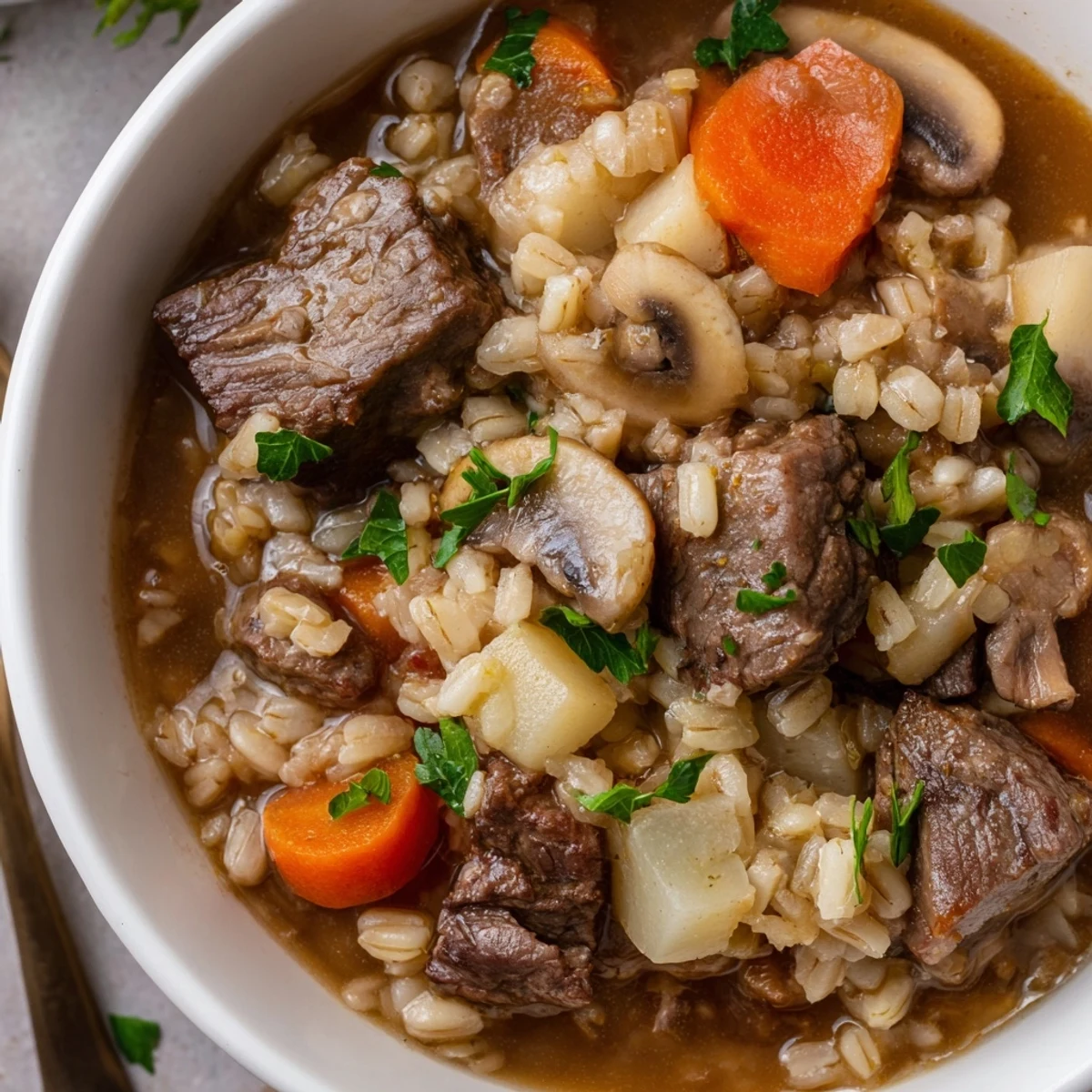
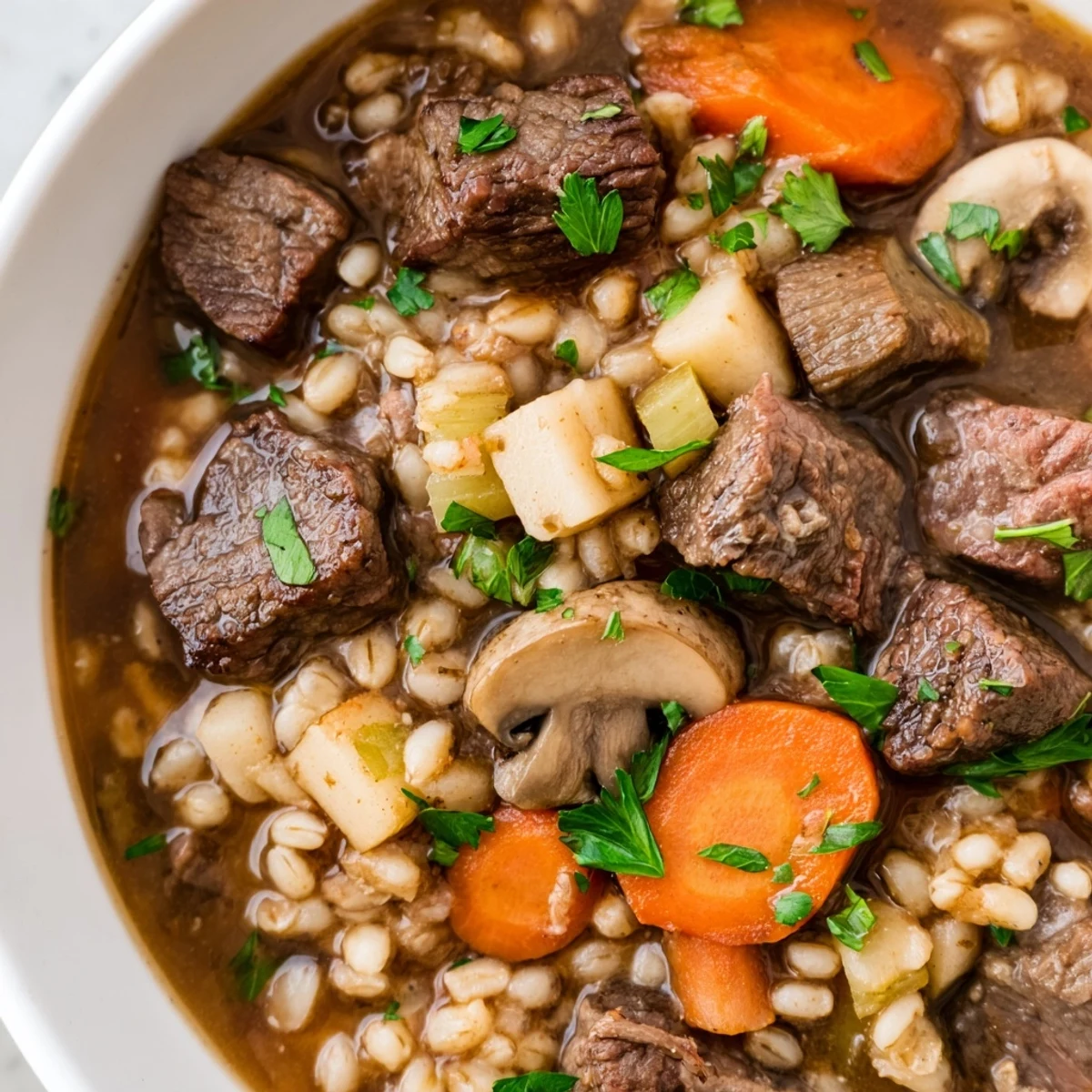
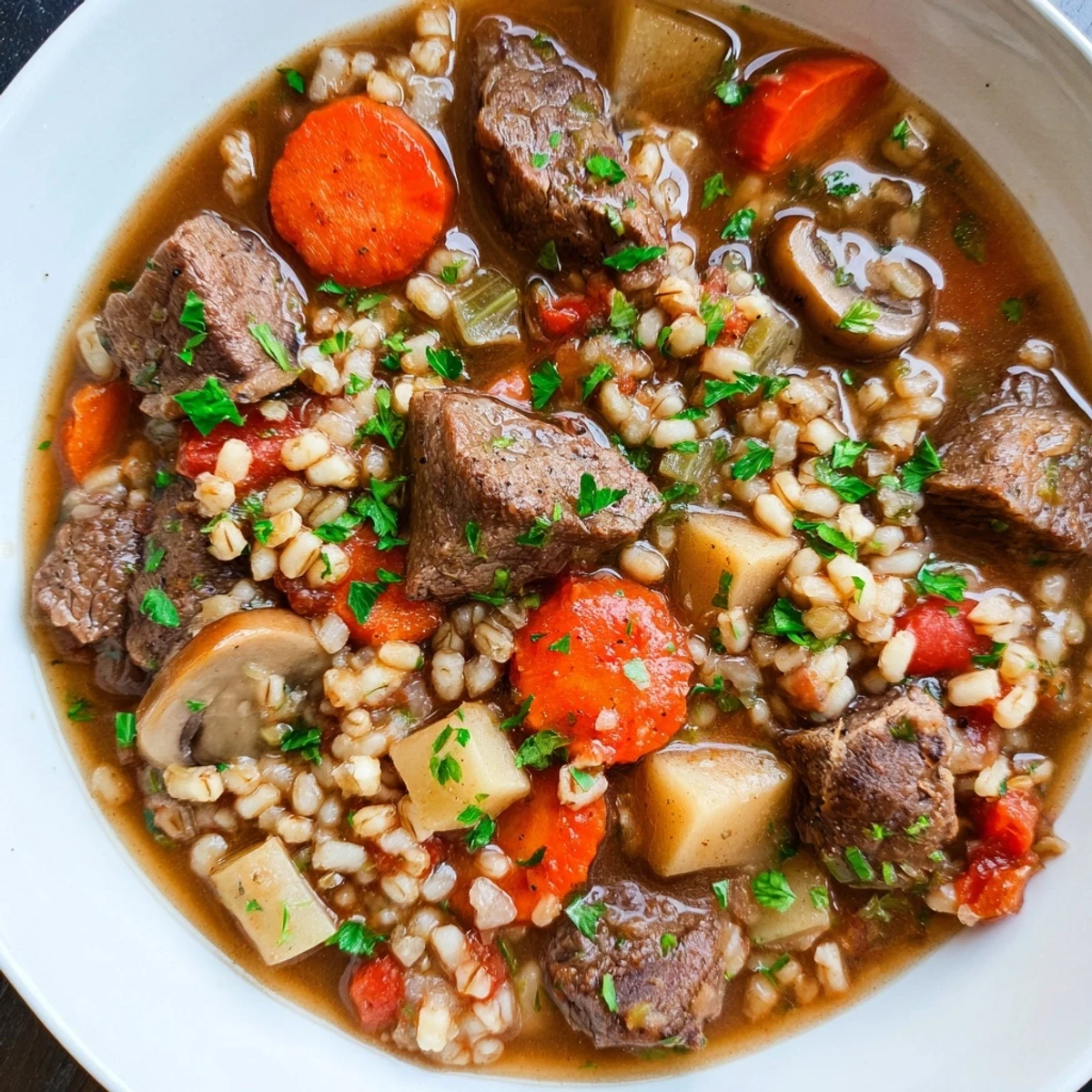
 This rich stew brings together tender beef chuck, earthy pearl barley, and sweet parsnips simmered slowly with carrots, celery, mushrooms, and tomato for deep, satisfying flavor. Aromatic herbs like thyme and rosemary enhance the savory broth, which is gently cooked for hours. Ideal for cozy dinners, the dish offers warmth and hearty texture, garnished with fresh parsley for a bright finish. Optional red wine or vegetable substitutions add versatility.
There's something about a pot of beef and barley stew that makes a kitchen feel like home. I learned this on a gray November afternoon when my neighbor stopped by unexpectedly, and instead of coffee, I found myself ladling out steaming bowls of this very stew. The barley gave it an unexpected earthiness I hadn't anticipated when I first started cooking, and watching her eyes light up at that first spoonful made me realize how much comfort food is really about presence and warmth.
I made this for my family on a Sunday when everyone seemed scattered and tired, and by dinner time, we were all gathered around the table talking and laughing like we used to. That's when I understood that stew isn't just food—it's an invitation to slow down and be together.
Ingredients
- Beef chuck: Two pounds cut into cubes gives you pieces that braise beautifully and practically dissolve into tenderness after two hours—never go smaller or they'll fall apart.
- Olive oil: Two tablespoons is enough to brown the meat properly without making the stew greasy.
- Onion and garlic: The aromatic foundation that makes everything smell incredible the moment they hit the hot pan.
- Carrots, parsnips, and celery: This holy trinity of vegetables creates the flavor base, with parsnips adding a gentle sweetness that rounds out the earthiness.
- Cremini mushrooms: Optional but worth it—they add umami depth and a slight meatiness to each spoonful.
- Diced tomatoes: Draining them prevents the stew from becoming watery, which is a detail that makes all the difference.
- Pearl barley: Rinsed before use, this grain absorbs the broth's flavor and gives the stew its signature heartiness.
- Beef broth: Low sodium lets you control the salt and prevents the stew from becoming oversalted as it simmers.
- Tomato paste, Worcestershire sauce: These add savory complexity that makes people ask what your secret ingredient is.
- Bay leaves, thyme, rosemary: Classic herb trio that feels right for this kind of cooking—earthy and grounding.
- Fresh parsley: Scattered on top at the end, it adds brightness and reminds you that green belongs in comfort food too.
Instructions
- Brown the beef with intention:
- Heat oil over medium-high heat until it shimmers, then add beef in batches so each piece gets a proper sear. You're building flavor here—don't rush or crowd the pot, or you'll steam instead of brown.
- Build your flavor base:
- Once the beef is out, sauté onion and garlic until fragrant and soft, about two minutes. This is where the stew's soul starts forming.
- Layer in the vegetables:
- Add carrots, parsnips, celery, and mushrooms, stirring every minute or so for five minutes. You want them to start releasing their flavor and sweetness into the oil.
- Deepen with tomato paste:
- Stir it in and let it cook for one minute, which mellows its sharpness and lets it blend into the background instead of tasting raw.
- Bring everything together:
- Return the beef, add tomatoes, barley, broth, water, Worcestershire sauce, and all your herbs. Stir it well so nothing settles at the bottom, then bring to a rolling boil.
- Simmer gently and patiently:
- Reduce heat to low, cover, and let it cook for ninety minutes to two hours, stirring occasionally. The stew tells you when it's ready—the beef becomes fork-tender and the barley softens into creamy surrender.
- Finish with grace:
- Fish out the bay leaves, taste and adjust seasoning, then ladle into bowls and top with fresh parsley. That green sprig signals that dinner is ready to be enjoyed.
 Pin It
 The most magical part happens about an hour and forty minutes in, when you lift the lid and the steam rises up carrying the scent of herbs and beef and caramelized vegetables. That smell is a signal that something beautiful is happening in the pot.
The Sweet Earthiness of Parsnips
Parsnips are underrated in American kitchens, often overlooked for carrots or potatoes. But in a stew like this, they become a secret advantage—they soften and sweeten over the long cook, adding a subtle honey-like undertone that makes people pause and say, what is that? It's the parsnips, quietly doing their work.
Making It Your Own
This recipe is forgiving and flexible, which is part of what makes it so reliable. A splash of red wine stirred in with the broth deepens everything, or you can swap the parsnips for turnips or rutabaga if that's what's in your garden or market. Serve it over mashed potatoes for a heavier meal, or with crusty bread for something simpler.
The Kitchen Science Behind Long Cooking
Two hours might sound like forever, but that's exactly the time needed for the beef's collagen to break down into gelatin, which thickens the broth naturally and gives the stew its silky mouthfeel. The barley meanwhile absorbs broth and expands, turning creamy and tender. This isn't rushed cooking—it's the foundation of real comfort food.
- Low heat is your friend because it prevents the meat from getting tough and stringy.
- Stirring occasionally helps everything cook evenly and prevents sticking on the bottom.
- Taste as you go in the final minutes so you can adjust salt and pepper to your preference.
 Pin It
 This stew tastes even better the next day, when the flavors have had time to really know each other. Make it on a Friday and you'll have Friday night dinner sorted, plus something wonderful waiting in the fridge for lunch on Saturday.
Recipe FAQs
- → What cut of beef is best for this stew?
-
Beef chuck is preferred for its balance of tenderness and flavor after long simmering.
- → Can I substitute barley with another grain?
-
Steel-cut oats or quinoa can be options, though barley offers a unique chewy texture suited to this dish.
- → Is it necessary to brown the beef before cooking?
-
Browning the beef develops deeper flavor by caramelizing the meat's surface before simmering.
- → Can I add red wine during cooking?
-
Adding a splash of red wine with the broth enhances richness and complexity in the stew.
- → How do the parsnips affect the stew's flavor?
-
Parsnips add a subtle sweetness and earthy note that balance the savory components beautifully.
- → What herbs are used to season this stew?
-
Bay leaves, dried thyme, and rosemary provide aromatic depth and complement the savory meat and vegetables.