
 Pin It
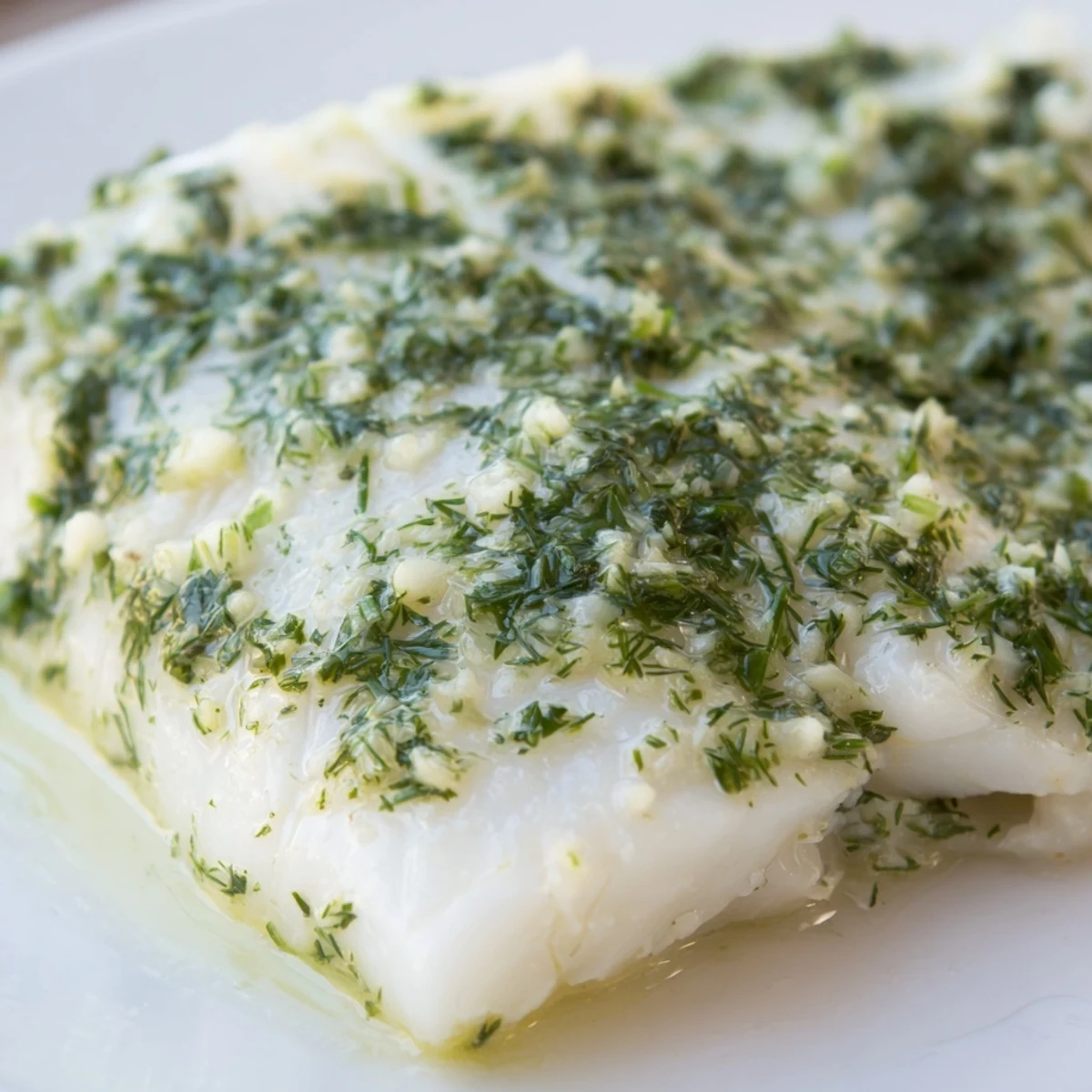
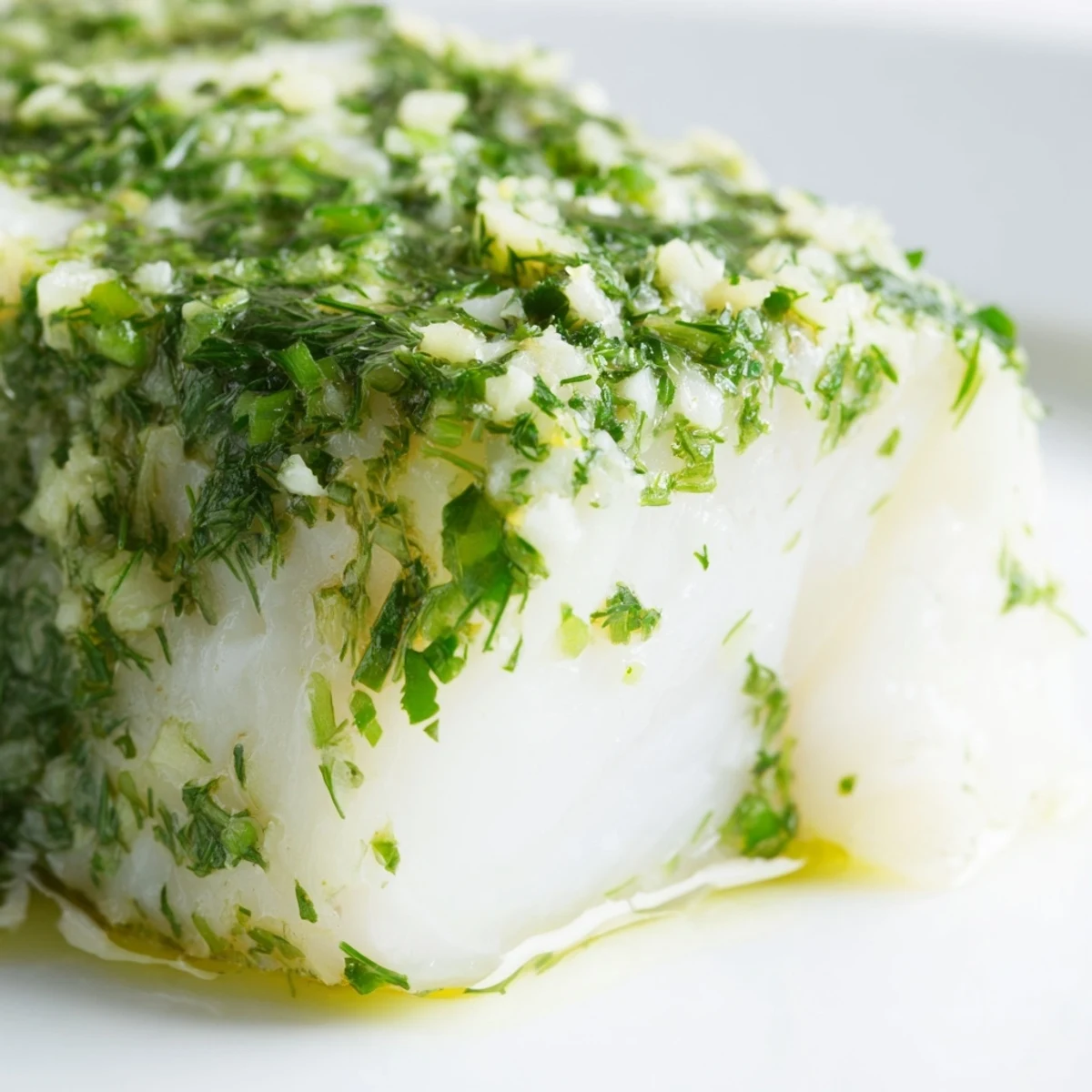
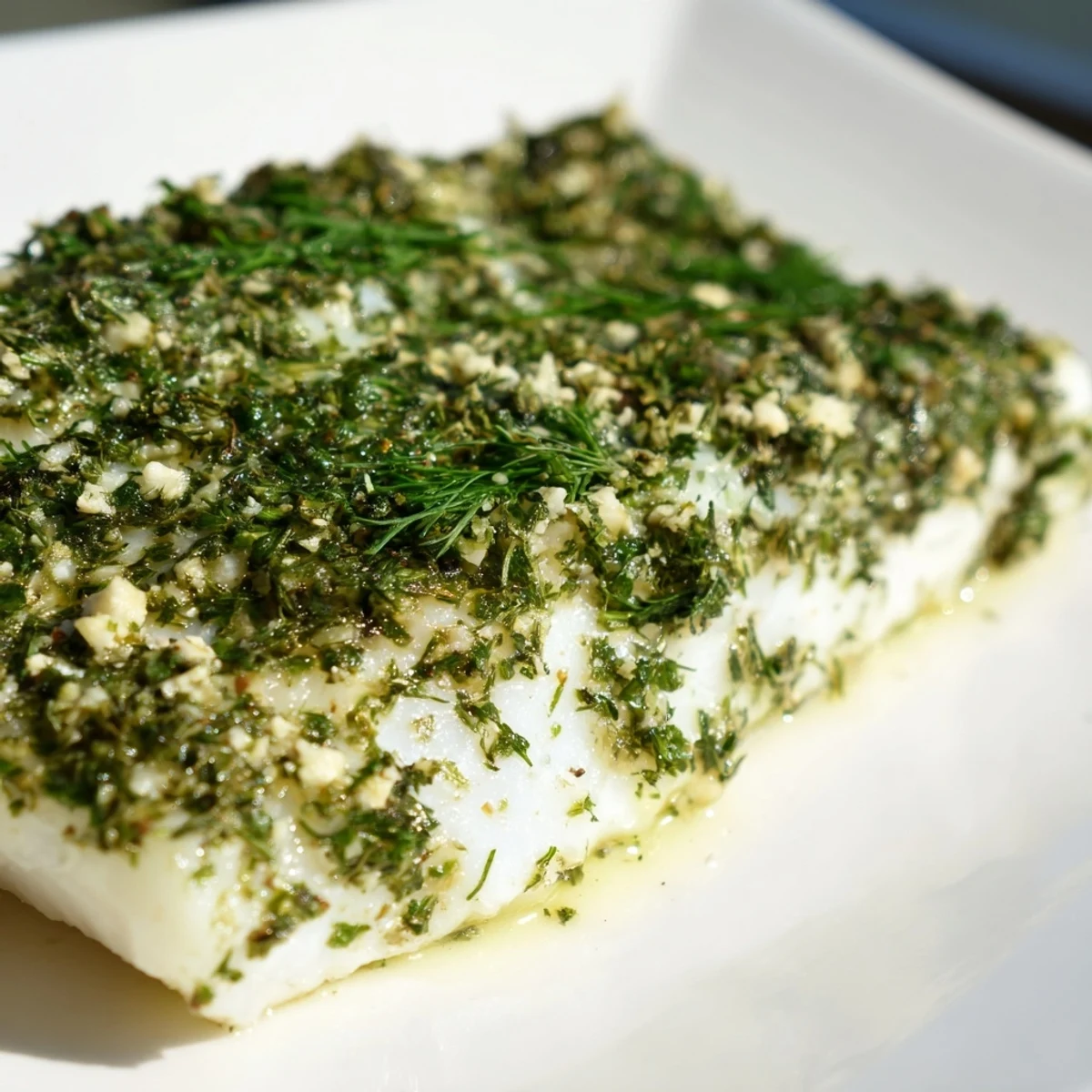
 This dish features halibut fillets gently baked with a vibrant mix of parsley, dill, chives, garlic, lemon zest, and olive oil. The combination infuses the fish with fresh, bright flavors while keeping it moist and tender. Baking at a moderate temperature ensures the halibut flakes easily with a fork without drying out. Garnish with lemon wedges and extra herbs for an elegant finish. Perfect for a quick, nutritious Mediterranean-inspired meal that pairs well with steamed vegetables or a light salad.
My neighbor handed me a fresh halibut fillet one summer evening, still cool from the fishmonger, and asked what I'd make. I stood there thinking about how little you actually need to honor fish this good—just heat, lemon, herbs, and time. That night taught me that elegance in the kitchen often means restraint, not complexity.
I made this for friends on a weeknight when I wanted something that felt special but didn't require fussing. Watching them take that first bite, close their eyes, and just nod—no words needed—that's when I knew this recipe had staying power.
Ingredients
- Halibut fillets: Look for thick, uniform pieces about the same size so they cook evenly; ask the fishmonger to remove the skin for you.
- Fresh parsley, dill, and chives: These three herbs are the backbone of the dish—don't skip them or substitute dried, as the fresh brightness is what makes it sing.
- Garlic: Minced fine so it spreads evenly and doesn't overpower the delicate fish.
- Sea salt and black pepper: Season generously but taste as you go, especially if using kosher salt instead.
- Extra-virgin olive oil: This is your flavoring agent, so choose one you'd happily eat by the spoonful.
- Lemon: Both zest and juice—the zest adds complexity, the juice adds acidity that wakes up the whole dish.
Instructions
- Set your stage:
- Preheat the oven to 200°C (400°F) and line your baking dish with parchment paper or a light coat of olive oil. This takes just a moment but prevents sticking and cleanup headaches.
- Dry the fish:
- Pat each halibut fillet thoroughly with paper towels—this is the secret to beautiful, opaque flesh that doesn't release excess moisture into the pan. Take your time here; it genuinely matters.
- Build the herb mixture:
- In a small bowl, combine the chopped parsley, dill, chives, minced garlic, salt, pepper, olive oil, lemon zest, and lemon juice. Give it a gentle stir and taste it on your finger—you want a balance where you taste the herbs first, then the brightness of lemon.
- Crown the fish:
- Spoon the herb mixture evenly over each fillet, using the back of the spoon to gently press it down so it stays put during cooking. Don't worry if it's not perfect; the oven will settle everything.
- Bake with confidence:
- Slide the dish into the oven and set a timer for 12 to 15 minutes. The fish is done when it flakes easily with a fork and looks opaque all the way through, not translucent in the center.
- Finish with grace:
- Transfer to plates while still warm, and scatter extra fresh herbs and lemon wedges alongside. Serve immediately.
 Pin It
 My daughter, who usually picks at fish, asked for seconds. We sat at the table longer than usual that night, talking about nothing important, and I realized that sometimes the best meals are the quiet ones.
Why This Works
Halibut is a mild, delicate fish that needs minimal fussing. The combination of fresh herbs, garlic, and lemon doesn't mask the flavor—it amplifies it, creating harmony rather than competition. The olive oil and lemon juice create a small amount of cooking liquid that steams the fish from above and below, keeping it moist without any extra effort.
What to Serve Alongside
I've served this with roasted asparagus, steamed broccoli, a simple arugula salad, and plain jasmine rice. Whatever you choose should be light enough to not overwhelm the delicate fish—think of the plate as a conversation where halibut gets to speak first.
Variations That Work
If halibut isn't available or breaks your budget, cod, haddock, and sea bass cook beautifully the same way. You can also experiment by adding a small pinch of chili flakes if you want subtle heat, or a splash of white wine mixed into the herb topping. Some nights I've added thin slices of fennel or a few capers for texture.
- Substitute halibut with any firm white fish of similar thickness.
- Add a tiny pinch of chili flakes or smoked paprika if you want warmth or depth.
- A crisp Sauvignon Blanc or light Chardonnay pairs beautifully alongside and in the cooking liquid if you choose.
 Pin It
 This recipe taught me that sometimes the most elegant meals are the simplest ones. Fish, herbs, lemon, and heat—nothing more is needed.
Recipe FAQs
- → What type of fish is best for this dish?
-
Halibut is ideal due to its firm texture and mild flavor, but cod, haddock, or sea bass can be used as alternatives.
- → How can I tell when the fish is cooked properly?
-
The halibut is done when it flakes easily with a fork and appears opaque throughout without moisture pooling.
- → Can I adjust the herb blend used in the dish?
-
Yes, feel free to vary the herbs based on preference or availability, though parsley, dill, and chives provide a balanced aromatic profile.
- → What sides complement this baked halibut?
-
Steamed vegetables, rice, or a fresh salad work well, as do crisp white wines like Sauvignon Blanc or Chardonnay.
- → Is there an option to add a spicy element?
-
Adding a pinch of chili flakes to the herb mixture introduces a gentle heat without overpowering the delicate flavors.