
 Pin It
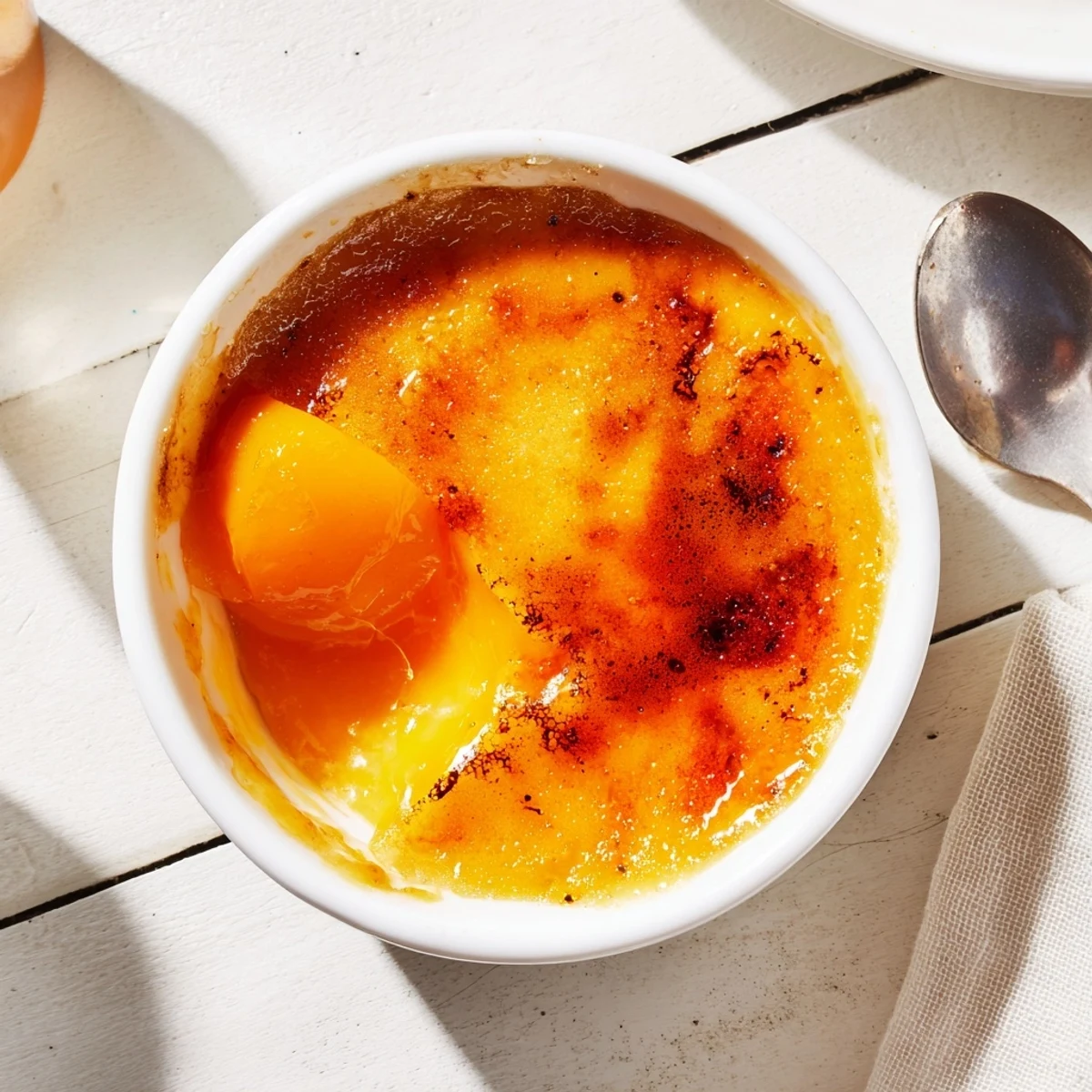
 This elegant French dessert combines creamy vanilla custard with sweet persimmon puree, finished with a signature caramelized sugar crust. The process involves blending ripe Fuyu persimmons into a smooth base, then gently baking a rich custard made with heavy cream, milk, and egg yolks. After chilling, each serving gets topped with sugar and torched until golden and crackly. The natural sweetness of persimmons pairs beautifully with the velvety vanilla custard, creating a sophisticated dessert perfect for dinner parties or special occasions. The result is a stunning contrast between the cool, creamy interior and the warm, crunchy sugar topping that defines this beloved classic.
My neighbor brought over a paper bag filled with persimmons from her tree last autumn, and I had no idea what to do with them until I remembered a crème brûlée I'd tasted at a tiny bistro in Lyon years ago. The way the fruit's honeyed sweetness played against that crackling burnt sugar crust haunted me for days. I spent that entire weekend experimenting, burning through more sugar than I care to admit before finally getting the proportions right. Now it's become the dessert I make when I want to feel fancy without actually trying too hard.
I served these at a dinner party back in November, right when persimmons were at their peak, and watched my normally reserved friend close her eyes and actually moan after the first crack of her spoon. Something about that combination—eggy, creamy, caramelized, with this subtle tropical fruit underneath—just transforms the whole experience of eating dessert. The table went quiet for a full minute, which is basically the highest compliment a cook can receive.
Ingredients
- 2 ripe Fuyu persimmons, peeled and roughly chopped: Fuyus are squat and firm like tomatoes, unlike the elongated Hachiya variety that needs to be practically falling apart to be edible
- 2 tablespoons granulated sugar: This balances the persimmon's natural sweetness without overpowering its delicate floral notes
- 1 teaspoon lemon juice: Just enough brightness to keep the fruit from becoming cloyingly sweet
- 1 cup (240 ml) heavy cream: Don't substitute with anything lighter or you'll lose that luxurious mouthfeel
- 1/2 cup (120 ml) whole milk: The cream alone would be too heavy, and the milk creates the perfect silky consistency
- 4 large egg yolks: Room temperature eggs incorporate more smoothly and prevent that dreaded curdled texture
- 1/4 cup (50 g) granulated sugar: This sweetens the custard itself and helps create that golden color we're after
- 1 teaspoon pure vanilla extract: Use the real stuff because artificial vanilla has this weird chemical aftertaste
- 1/8 teaspoon fine sea salt: Such a tiny amount, but it makes all the other flavors pop like they should
- 4 teaspoons granulated sugar: This forms that iconic burnt sugar crust that makes crème brûlée what it is
Instructions
- Get your water bath ready:
- Preheat your oven to 300°F (150°C) and arrange 4 ramekins (6 oz each) in a deep baking dish while you prep everything else
- Make the persimmon puree:
- Blend the persimmon pieces, 2 tablespoons sugar, and lemon juice until completely smooth, which should take about 30 seconds
- Layer the fruit base:
- Divide the persimmon puree evenly among the ramekins, spreading it into a thin layer at the bottom
- Heat the dairy:
- Warm the cream and milk over medium heat until just steaming, watching carefully because milk can go from perfectly heated to violently boiling in seconds
- Whisk the yolks:
- Beat the egg yolks, 1/4 cup sugar, vanilla, and salt until pale and slightly thickened, about 2 minutes
- Temper the eggs:
- Slowly pour the hot cream mixture into the yolks while whisking constantly—this gradual heating prevents scrambled eggs in your custard
- Strain for silkiness:
- Pour the custard through a fine mesh sieve into a pouring jug to catch any bits of cooked egg
- Assemble the custards:
- Gently pour the strained custard over the persimmon puree in the ramekins
- Create the water bath:
- Pour hot water into the baking dish until it reaches halfway up the sides of the ramekins
- Bake until just set:
- Bake for 35 to 40 minutes until the custards are set but still slightly wobbly in the center, like gelatin
- Chill thoroughly:
- Cool the ramekins to room temperature, then refrigerate for at least 2 hours, though overnight is even better
- Create the burnt sugar crust:
- Sprinkle 1 teaspoon sugar over each custard and torch until it forms a crisp golden crust, letting it sit for 3 to 5 minutes before serving
 Pin It
 My sister called me from across the country after I sent her home with leftovers, demanding the recipe because she couldn't stop thinking about that first spoon breaking through the warm sugar crust into the cool persimmon custard beneath. It's become her go-to dinner party dessert too, and honestly, there's something so satisfying about sharing a recipe that feels special but isn't actually complicated.
Choosing Your Persimmons
I've learned that Fuyu persimmons are worth seeking out because they're naturally sweet and hold their shape better in the puree. Hachiya varieties work if they're practically falling apart ripe, but they can sometimes have a slightly more astringent finish that competes with the delicate custard.
Mastering the Torch
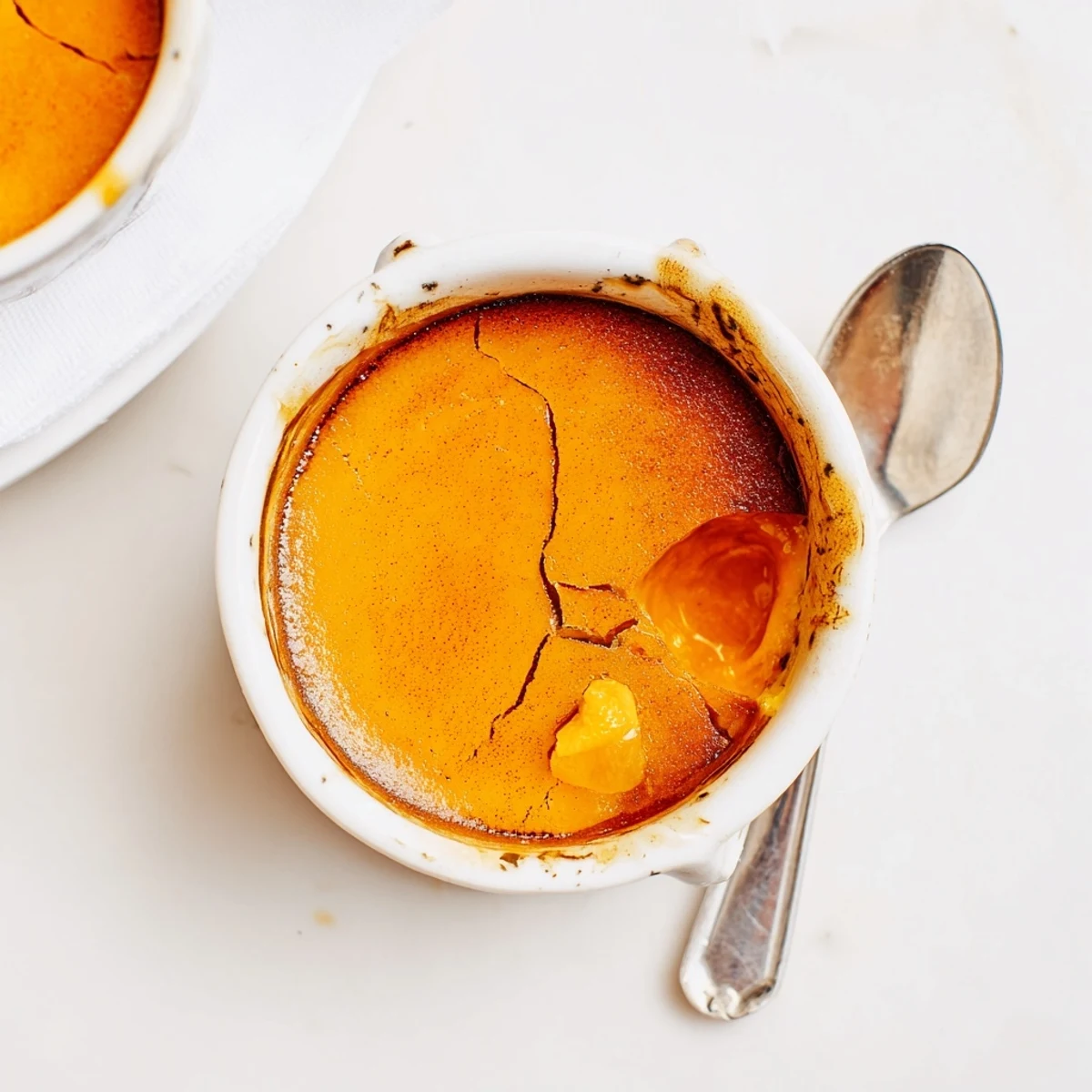
The first few times I tried burning the sugar, I either didn't get enough caramelization or I ended up with blackened bitter spots. The trick is moving the torch in slow circles about 2 inches above the sugar and watching as it transforms from white to golden brown to that deep amber color that means perfect crunch.
Timing Your Dessert
I always make these the day before I plan to serve them because the custard needs time to fully set and the flavors need to marry properly. The burnt sugar crust should be done right before serving though, or it loses that signature crackle that makes crème brûlée so addictive.
- Keep the torch moving constantly to prevent hot spots
- Let the caramelized sugar sit for at least 3 minutes so it can harden properly
- Serve immediately after torching for maximum dramatic effect
 Pin It
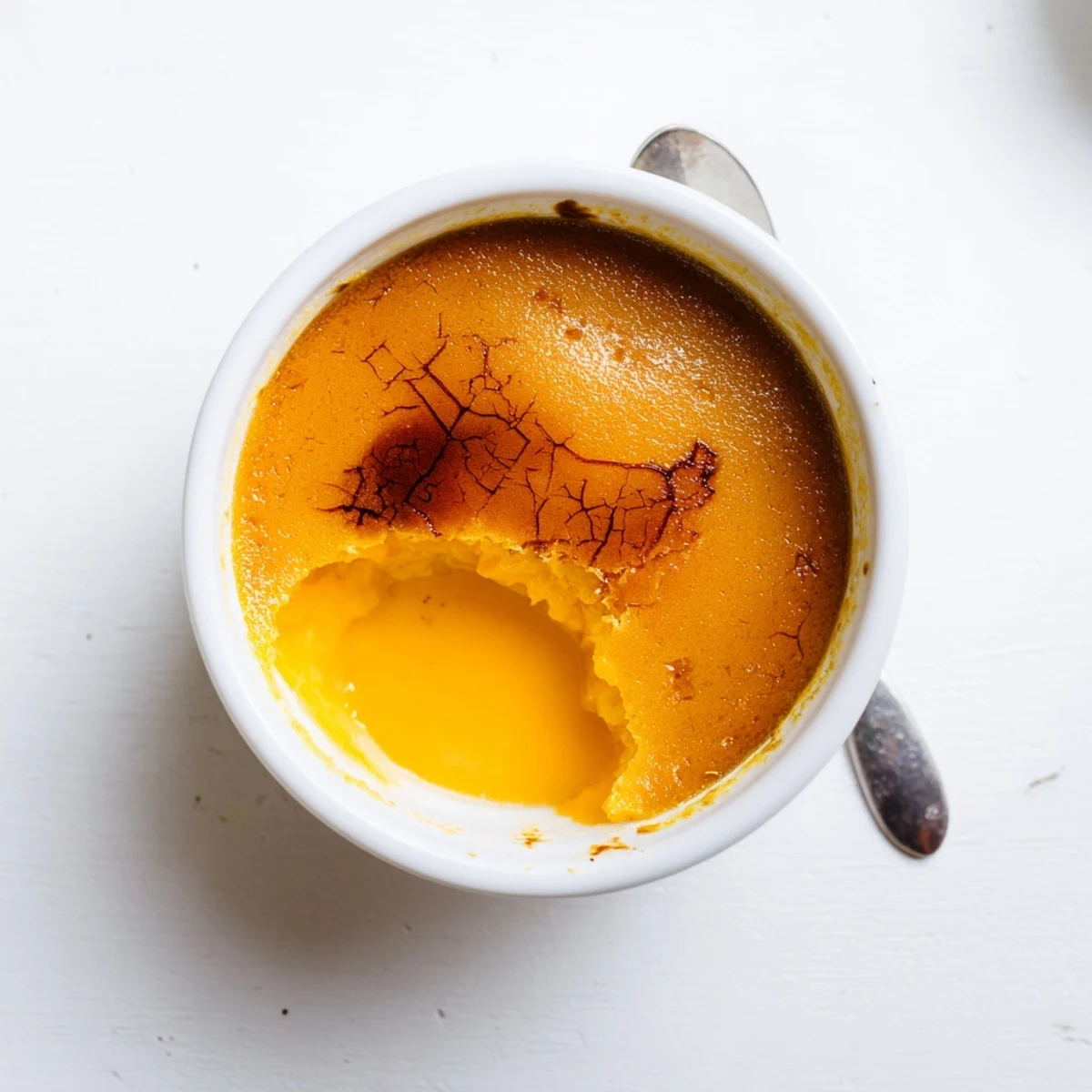
 There's something almost meditative about torching that sugar, watching it bubble and transform into glass, knowing you're about to give someone that perfect first crack through the crust.
Recipe FAQs
- → What type of persimmons work best?
-
Fuyu persimmons are ideal because they're naturally sweet and firm when ripe. If using Hachiya variety, ensure they're extremely ripe and soft for the best flavor and texture.
- → Can I make this ahead of time?
-
Absolutely. The custards can be prepared up to 2 days in advance and refrigerated. Add the caramelized sugar topping just before serving for the freshest crunch.
- → Do I need a kitchen torch?
-
A kitchen torch provides the best results, but you can also use your oven's broiler. Place ramekins under the broiler for 1-2 minutes, watching closely to prevent burning.
- → How do I know when the custard is done baking?
-
The custards are ready when they're just set around the edges but still slightly wobbly in the center, similar to gelatin. They'll continue firming up during chilling.
- → Can I substitute the dairy?
-
While traditional crème brûlée relies on heavy cream for richness, you can experiment with coconut milk for a dairy-free version, though the texture will be slightly different.
- → Why strain the custard mixture?
-
Straining ensures an ultra-smooth texture by removing any bits of cooked egg or air bubbles. This step is crucial for achieving the silky consistency that makes this dessert special.